

Japan's Leadership Puzzle: Navigating the Next Chapter
Japanese Prime Minister Shigeru Ishiba's resignation marks a turning point for the country's political landscape. The Liberal Democratic Party faces a complex leadership race amid losing its parliamentary majority. The decision will affect their strategy in selecting a new prime minister while balancing coalition dynamics and party traditions.
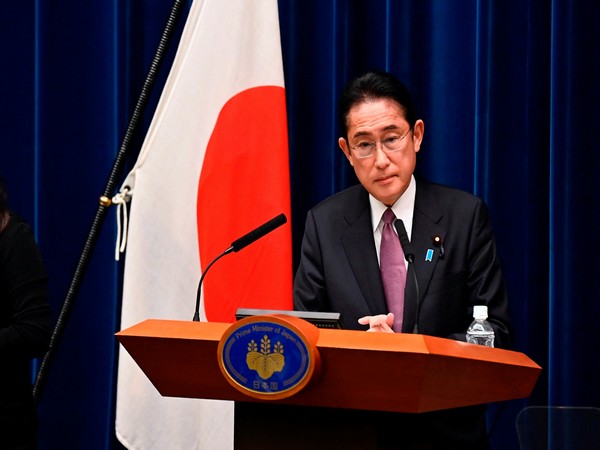
The political landscape in Japan is poised for significant change as Prime Minister Shigeru Ishiba steps away from his role, prompting the hunt for a new leader for the world's fourth-largest economy. The transition, however, comes with complications due to shifts in parliamentary power.
The Liberal Democratic Party (LDP), historically Japan's dominant political force, faces a unique challenge with its weakened majority. The party must first select a new president, a process traditionally triggered by internal nominations and culminating in debates and votes across party ranks.
In the broader parliamentary context, even though the LDP remains the largest party, the absence of a clear majority could lead to coalition negotiations and affect who will ultimately hold the prime ministerial office. The unfolding developments in Japan could resonate across global political stages.
ALSO READ
-
Japan-Backed ILO Projects Help 23,000 Workers Gain Rights and Fight Child Labour
-
Najib Razak's House Arrest: A New Chapter in Malaysia's Political Drama
-
Riding the Waves: India's Surfing Olympic Dream
-
Romania's Political Turmoil: A New Prime Minister Nominee Amidst Uncertainty
-
Unleashing Market Forces: The Path to Reviving Britain's High Streets


 Google News