

Security Council Convenes Amid Venezuelan Turmoil: U.S. Faces Global Backlash
The U.S. military's intervention in Venezuela, resulting in the ousting of President Nicolas Maduro, has prompted a U.N. Security Council meeting. Concerns are mounting over the implications for international law, with key nations voicing opposition to Washington's actions, viewed by some as a neo-colonial maneuver.
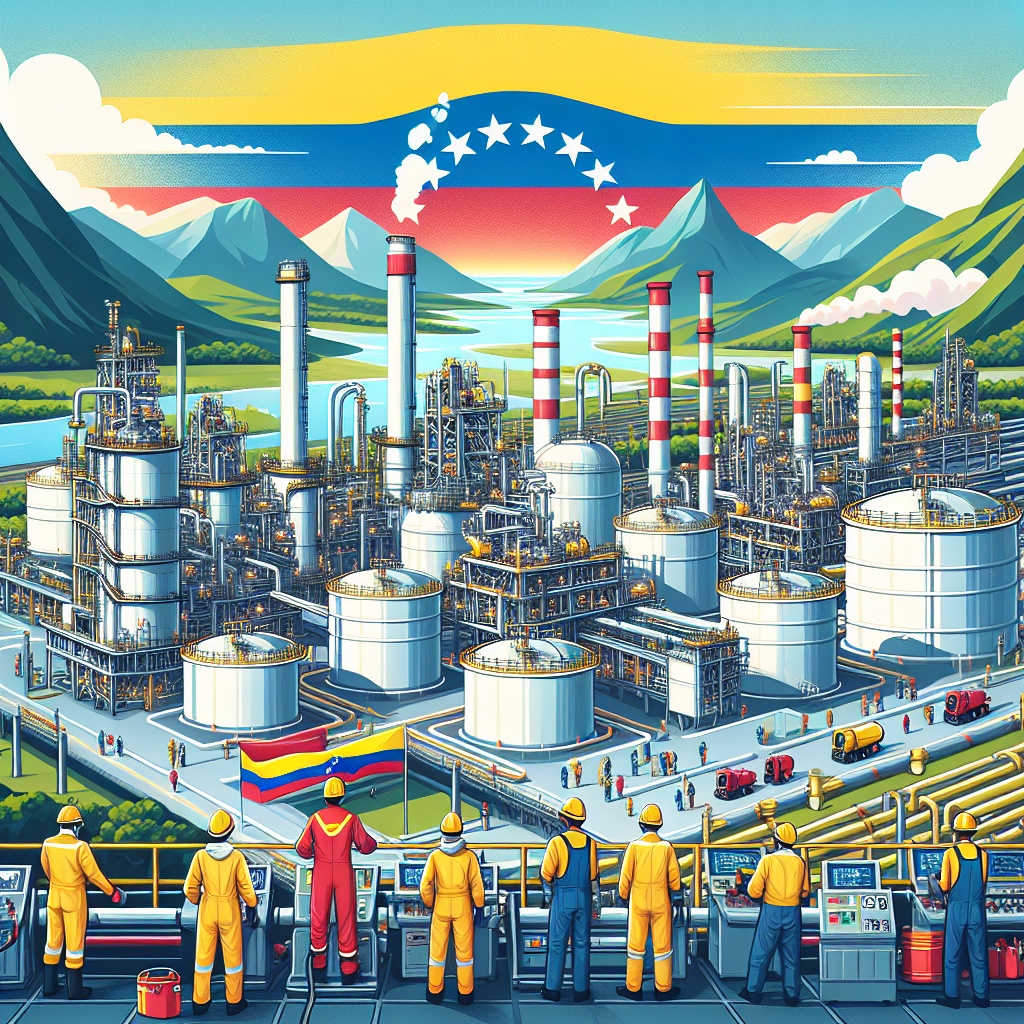
The United Nations Security Council is scheduled to meet on Monday in response to the United States' military action in Venezuela, which led to the ousting of its long-standing autocratic leader, President Nicolas Maduro. U.N. Secretary-General Antonio Guterres has warned that this move could set a 'dangerous precedent' for international conflicts.
The meeting was organized at the request of Colombia, which has the backing of Russia and China, according to diplomats. The Council has previously convened over the rising tensions between the U.S. and Venezuela, with President Trump announcing Washington's intent to oversee the nation until a suitable transition can be achieved. Trump's oversight strategy remains unclear, raising further concern among international observers.
Venezuelan U.N. Ambassador Samuel Moncada described the U.S. intervention as a 'colonial war' aimed at exploiting Venezuela's resources. This accusation follows the U.S.'s increased military presence in the region, justified under Article 51 of the U.N. Charter, claiming self-defense. The Trump administration's actions have included targeting suspected drug trafficking vessels, enforcing sanctions, and intercepting oil shipments, complicating the geopolitical landscape.
ALSO READ
-
Iran’s Civilians Trapped Between State Repression and Deadly Strikes, UN Warns
-
Venezuelan Central Bank's Gold Transfer Nears Completion
-
Trump's Bold Move: Meeting with Venezuela's Interim Leader
-
North Korea's Diplomatic Foray: Kim Son-Gyong at the UN Assembly
-
North Korean Diplomat's High-Stakes U.N. Mission


 Google News