

The End of Orban's Era: A Blow to Europe's Far-Right Movements
Viktor Orban, Hungary's nationalist leader, lost the election, impacting Europe's far-right movements. Known for promoting ethno-nationalism and opposing immigration, Orban was an inspiration for right-wing populists. Despite the setback, his influence through funded institutes may persist. The far-right's momentum in Europe faces challenges but remains optimistic.
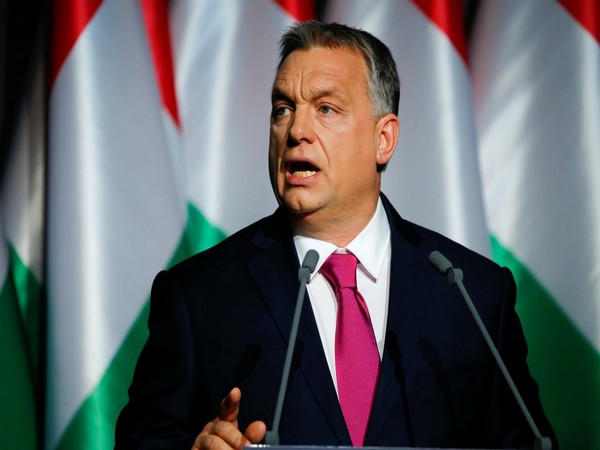
In a major political shift, Hungary's nationalist leader Viktor Orban was defeated in Sunday's election, marking a significant loss for Europe's far-right movements. Orban, an emblematic figure in right-wing populism, shaped policies embraced by leaders like former U.S. President Donald Trump and Russia's Vladimir Putin.
During his 16-year tenure, Orban championed ethno-nationalism, curtailed civil society freedoms, and opposed immigration and LGBTQ rights. His close alignment with Trump's MAGA movement further accentuated his influence, as seen in support from figures like Vice President JD Vance.
With Orban's defeat attributed to economic dissatisfaction and concerns over democratic freedoms, the European far-right loses a key ally. However, the ideological structures Orban supported, backed by substantial funding, underscore a lasting impact that may endure beyond his political leadership.


 Google News