

BRICS Divides: Uniting Views on Middle-East Conflicts
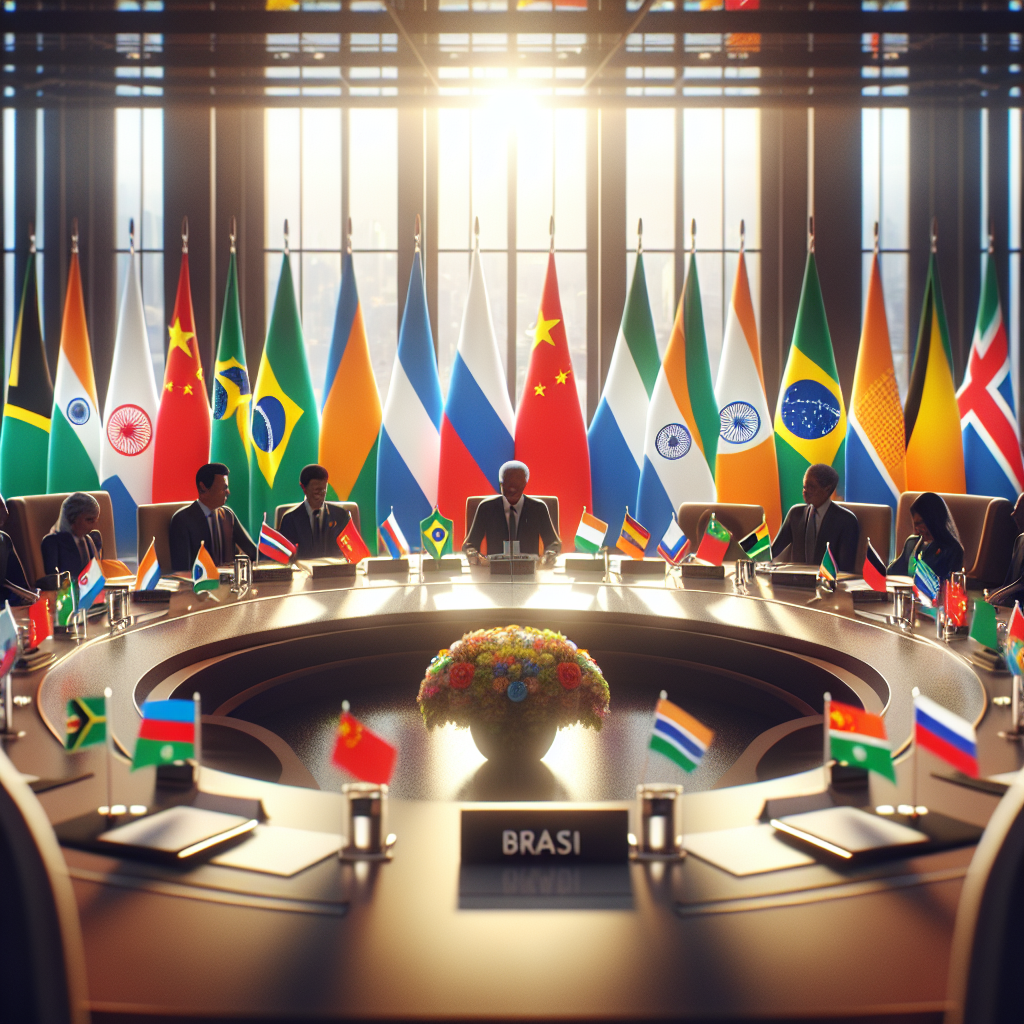
Significant differences among BRICS members over the US-Israel conflict with Iran impeded India's attempt to forge a unified position. India's stance on Palestine remains unchanged, emphasizing a two-state solution. Efforts for a unified statement were stalled by member disparities, particularly influenced by the UAE's stance.
- Country:
- India
Last week in New Delhi, sharp disagreements among BRICS member states over the US-Israel conflict with Iran thwarted India's plans to establish a consensus on the issue, as stated by official sources.
Despite the lack of unified agreement, India's position on Palestine hasn't shifted, affirming its support for a two-state solution, as reaffirmed during a January agreement with the Arab League.
The absence of consensus within the BRICS group was notably influenced by the stance of the United Arab Emirates, which caused the meeting to end without a collective statement.
ALSO READ
-
Cleaner Kitchens, Polluted Skies: Hidden Health Cost of India’s Electricity Boom
-
Japan-Backed ILO Projects Help 23,000 Workers Gain Rights and Fight Child Labour
-
India's Delicate Balancing Act: Navigating Energy Security Amid Middle Eastern Tensions
-
India Gears Up for Glory: Asian Games 2026 Preview
-
India Defends Energy Policy Amidst Rising Tariff Threats from U.S.


 Google News