

Russia bans Human Rights Foundation chaired by Yulia Navalnaya as 'undesirable'
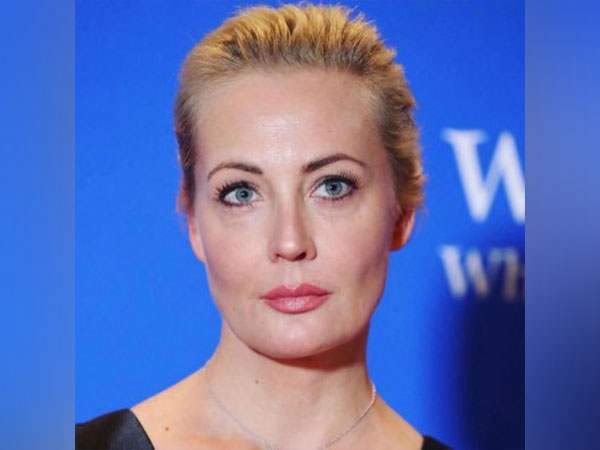
Russia has designated the New York-based Human Rights Foundation, chaired by Yulia Navalnaya, as an "undesirable organisation" due to its criticism of the Russian government and armed forces.
- Country:
- Russia
Russia has designated the New York-based Human Rights Foundation, chaired by Yulia Navalnaya, the widow of late Russian dissident Alexei Navalny, as an "undesirable organisation". The "undesirable" tag is used by Russian authorities to ban the activities of organisations it deems to pose a threat to the state, and means that any Russians who cooperate with them or share their content can face prosecution. In its announcement, the Russian prosecutor's office noted that HRF had designated Russia as a "fully authoritarian regime" in its "Tyranny Tracker" project.
It said HRF was engaged in discrediting the Russian armed forces — which was made a criminal offence after Moscow's full-scale invasion of Ukraine in 2022 — as well as promoting anti-Russian sanctions and supporting other undesirable organisations. HRF Chief Legal and Policy Officer Javier El-Hage responded: "We couldn't have said it better ourselves. By criminalising our organization — even threatening with imprisonment those who collaborate with us — for having a research project that documents how (President Vladimir) Putin’s dictatorship is a ‘fully authoritarian regime,’ the Kremlin does nothing but confirm our assessment."
Since 2015, Russia has placed hundreds of organisations on its "undesirable" list, including rights groups such as Amnesty International, Russian and Western media outlets, and universities including Yale and Stanford.
ALSO READ
-
Inside Russia’s SMR School, Where Nuclear Experience Shapes Future Energy Decisions
-
WTO Sets Up Panel on EU Carbon Border Rules as Russia Challenges Restrictions
-
Russia’s Reach Beyond Borders Leaves Exiled Critics Living in Fear, UN Expert Warns
-
Ukraine Faces Another Bitter Winter as UN Inquiry Warns of Deepening Civilian Harm
-
Ukraine War: UN Documents 1,004 Sexual Violence Cases and Calls for Justice


 Google News