

Science News Roundup: China launches robotic spacecraft to retrieve rocks from the moon; Small U.S. launch firm Rocket Lab recovers rocket, in test of reusability and more
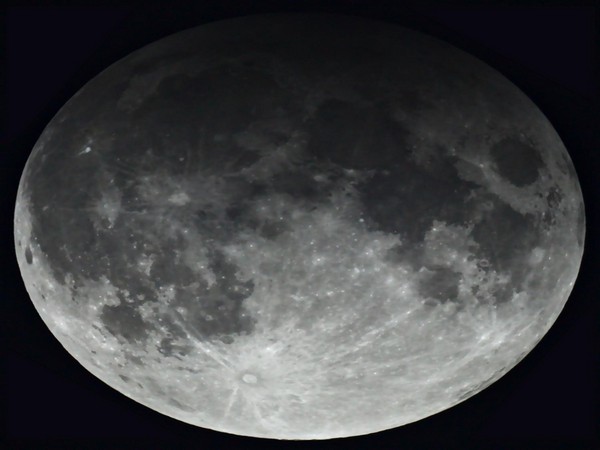
China launches robotic spacecraft to retrieve rocks from the moon China on Tuesday launched a robotic spacecraft to bring back rocks from the moon in the first bid by any country to retrieve samples from the lunar surface since the 1970s, a mission that underscores Chinese ambitions in space.
Following is a summary of current science news briefs.
Timeline: Major milestones in Chinese space exploration
China plans to launch an unmanned probe to the moon early this week to bring back lunar rocks in the first attempt by any nation to retrieve samples from Earth's natural satellite since the 1970s. If successful, the mission will make China only the third country to have retrieved lunar samples, following the United States and the Soviet Union decades ago.
China launches robotic spacecraft to retrieve rocks from the moon
China on Tuesday launched a robotic spacecraft to bring back rocks from the moon in the first bid by any country to retrieve samples from the lunar surface since the 1970s, a mission that underscores Chinese ambitions in space. The Long March-5, China's largest carrier rocket, blasted off at 4:30 a.m. Beijing time (2030 GMT on Monday) in a pre-dawn launch from Wenchang Space Launch Center on the southern Chinese island of Hainan carrying the Chang'e-5 spacecraft.
Small U.S. launch firm Rocket Lab recovers rocket, in test of reusability
Small launch firm Rocket Lab was able to safely recover from the ocean a rocket it sent to space, its chief executive said on Monday, a key test of the company's strategy to slash rocket launch costs via reusability. California-based Rocket Lab's 16th mission to space using its Electron rocket took off last Thursday from the company's New Zealand launch site, with its four-storey-tall booster stage returning back to Earth under parachutes for the first time instead of burning up in the atmosphere.
Drying habitat makes Australia's platypus vulnerable, scientists say
Australian scientists pushed on Monday to list the platypus as a vulnerable species after a report showed the habitat of the semi-aquatic native mammal had shrunk more than a fifth in the last 30 years. Severe drought brought by climate change, land clearing for farming and dam-building are to blame, said researchers at the University of New South Wales (UNSW) who made recommendations to government scientific panels.


 Google News