

(Updated) NASA’s Parker Solar Probe's 12th close approach to the sun set to take place today
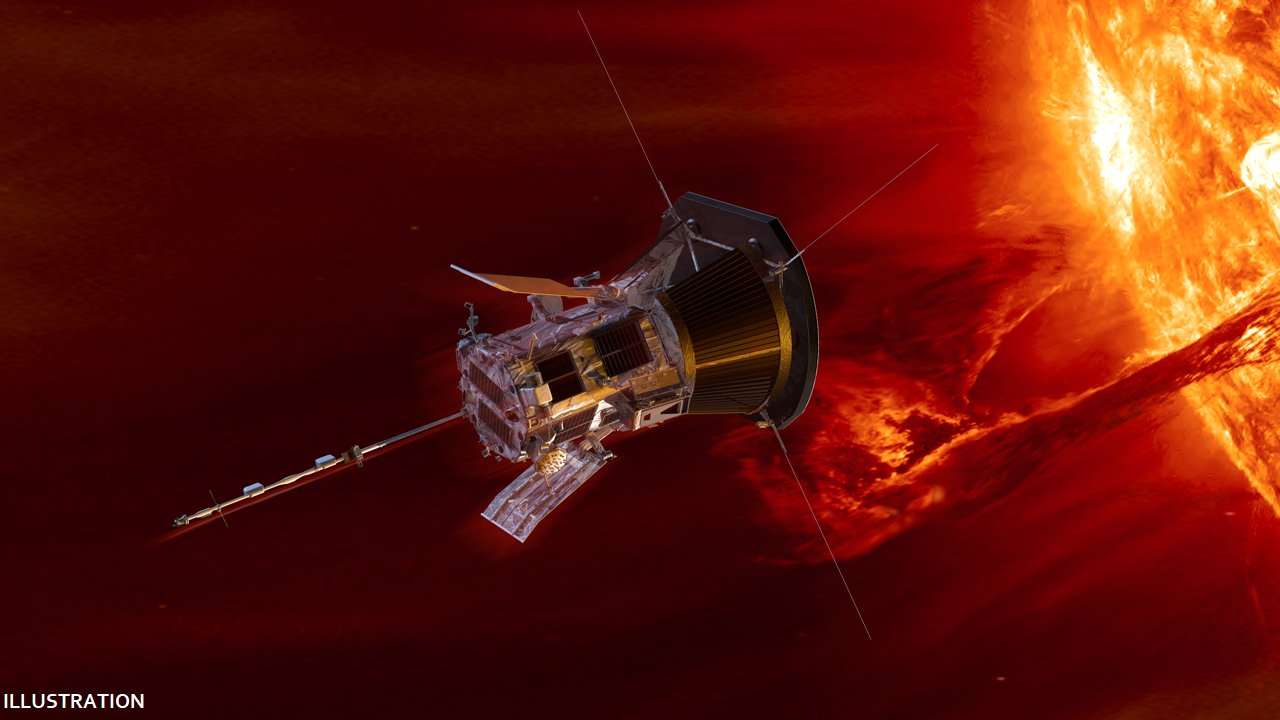
NASA's Parker Solar Probe will be making its 12th close approach to the Sun - called perihelion - at 22:50 UTC on Wednesday, June 1. The upcoming solar flyby - which will be the mission's midpoint - will once again bring the spacecraft through the corona - the sun's upper atmosphere.
Launched on Aug. 12, 2018, Parker Solar Probe is the first-ever mission to touch the Sun. The mission's primary goal is to uncover critical information about our closest star and make critical contributions to the scientific community's ability to forecast major space-weather events that impact life on Earth.
A total of 24 passes are planned for Parker Solar Probe's primary mission. At the closest approach to the sun, which is still ahead in 2024, the spacecraft will be hurtling around the Sun at approximately 430,000 miles per hour and come within 4 million miles (6.2 million kilometers) of the solar surface.
The Johns Hopkins Applied Physics Laboratory manages the Parker Solar Probe mission for NASA.
Parker Solar Probe set out to revolutionize our knowledge of the sun in a way that no other mission had ever attempted. We have already made breakthrough discoveries in a region of the solar system that has never been explored by a spacecraft, and the best still might be yet to come.
Update
The Parker Solar Probe completed its 12th close approach to the Sun at 6:50 p.m. EDT (10:50 p.m. UTC) on June 1, coming within 5.3 million miles (8.5 million kilometres) of the solar surface. The spacecraft moved about 364,660 miles per hour (586,860 kilometres per hour) - that's fast enough to cover the distance between Los Angeles and London in under a minute, NASA said on Thursday, June 2.
The milestone marked the midway point in the mission's 12th solar encounter.


 Google News