

Science News Roundup: Strong T-cell response for blood cancer patients after vaccine; COVID breakthrough often serious for cancer patients; France to sign U.S.-led moon exploration agreement -sources and more
The Australian government has granted regulatory approval for the rockets to be launched from privately owned Equatorial Launch Australia's (ELA) Arnhem Space Centre, Prime Minister Anthony Albanese said on Wednesday.
Following is a summary of current science news briefs.
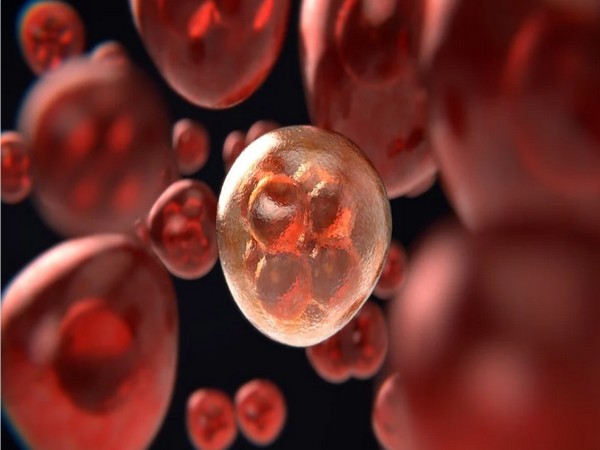
Strong T-cell response for blood cancer patients after vaccine; COVID breakthrough often serious for cancer patients
The following is a summary of some recent studies on COVID-19 and cancer presented at the annual meeting of the American Society of Clinical Oncology (ASCO) in Chicago. Blood cancer patients show strong T-cell response to COVID vaccines
France to sign U.S.-led moon exploration agreement -sources
France is set to sign a U.S.-led multilateral agreement aiming to govern how countries behave in space and on the moon, according to two people familiar with the plans. France's signing of the pact, called the Artemis Accords, will mark one of the most significant endorsements yet of Washington's effort to shape international legal norms and standards for exploring the lunar surface, said the sources, who asked not to be identified.
NASA to launch rockets from Australia's north for scientific studies
NASA will launch three rockets within weeks from northern Australia for scientific research, authorities said on Wednesday, marking the first time the space agency will fire rockets from a commercial facility outside the United States. The Australian government has granted regulatory approval for the rockets to be launched from privately owned Equatorial Launch Australia's (ELA) Arnhem Space Centre, Prime Minister Anthony Albanese said on Wednesday.


 Google News