

Hotter Than Ever: How Developed Countries Are Feeling the Heat of Global Warming
Rising Temperatures, Increasing Disasters, and Agricultural Disruptions: How Developed Countries Are Feeling the Heat of Global Warming
 Devdiscourse News Desk
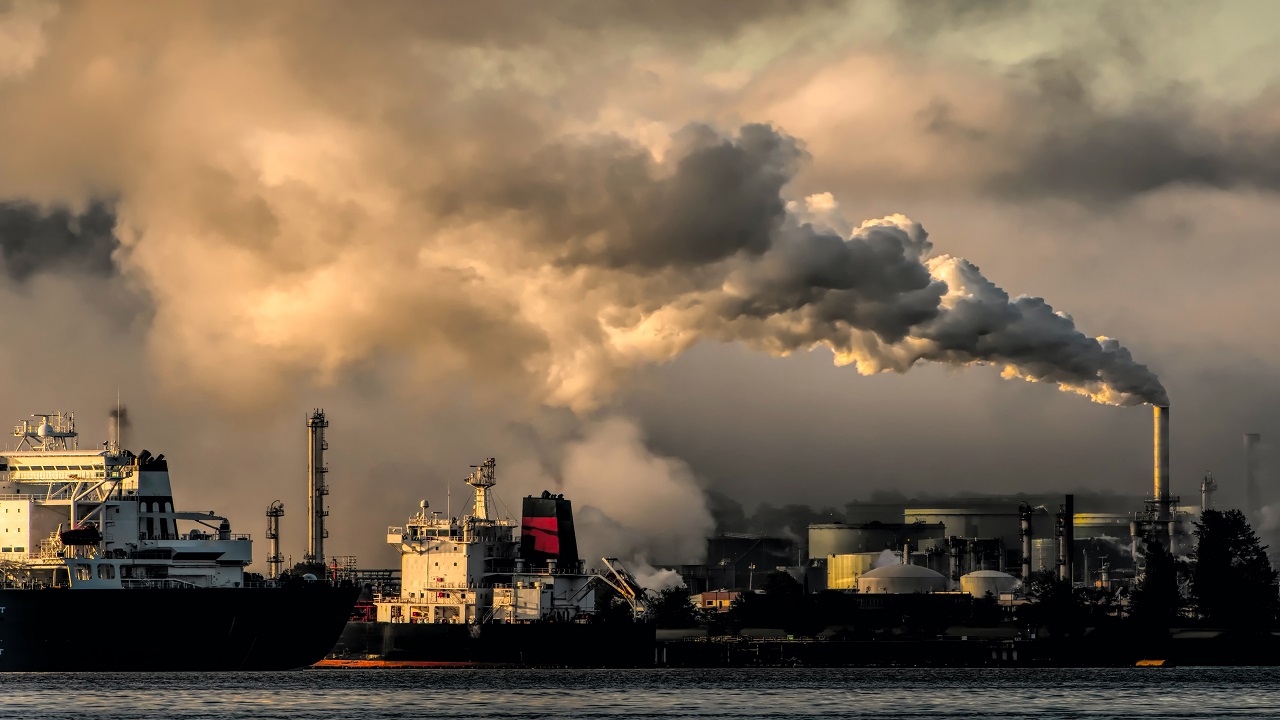
Climate change and global warming have long been a topic of concern, but in recent years, the effects have become increasingly evident. While developing nations have often been the focus of discussions surrounding the climate emergency, it is crucial to acknowledge that developed countries are not exempt from feeling the heat. In fact, these nations are facing a multitude of challenges as the consequences of global warming escalate.
One of the most significant impacts developed countries are experiencing is the intensification of extreme weather events. Heatwaves, droughts, and wildfires have become more frequent and severe, posing serious threats to both human life and infrastructure. For instance, countries like the United States, Canada, Australia, and parts of Europe have witnessed devastating wildfires that have destroyed vast areas of land, displaced communities, and claimed numerous lives.
Rising temperatures are not limited to the summer months. Winters are also becoming increasingly unpredictable, with milder temperatures and reduced snowfall in regions accustomed to colder climates. This shift has adverse consequences for winter sports industries, such as skiing and snowboarding, which rely on consistent snowfall to attract visitors. It also disrupts ecosystems, affecting wildlife that depends on seasonal changes for survival.
Furthermore, the impact of global warming on agriculture cannot be overstated. Developed countries, which heavily rely on advanced agricultural practices, face challenges in adapting to changing climatic conditions. Higher temperatures and irregular rainfall patterns disrupt crop cycles, leading to decreased yields and reduced quality of produce. Farmers are forced to adopt new strategies and invest in climate-resilient techniques, putting additional strain on their resources.
Coastal regions in developed countries are also vulnerable to the effects of rising sea levels. As polar ice caps melt and sea levels rise, coastal erosion and flooding become significant concerns. Cities located near coastlines, such as New York, London, and Tokyo, face an increased risk of storm surges and saltwater intrusion, which can damage infrastructure, contaminate freshwater sources, and displace populations. The economic repercussions of such events are immense, impacting industries such as tourism, transportation, and real estate.
The health implications of global warming are another pressing issue for developed nations. As temperatures rise, heat-related illnesses become more prevalent. Vulnerable populations, including the elderly and those with pre-existing health conditions, are at a higher risk of heatstroke and other heat-related ailments. In urban areas, the phenomenon known as the "urban heat island effect" exacerbates the problem, with concrete and asphalt retaining heat and creating localized hotspots. Additionally, the spread of diseases carried by insects, such as mosquitoes and ticks, expands into regions previously unaffected by these pests.
The energy sector also faces significant challenges as developed countries seek to transition to cleaner and more sustainable sources. While progress has been made in adopting renewable energy technologies, many developed nations still heavily rely on fossil fuels. This dependency not only contributes to global warming but also poses risks in terms of energy security and price volatility. The need to reduce greenhouse gas emissions and invest in renewable energy infrastructure is paramount to mitigate the impacts of global warming.
To address the climate emergency, developed countries must prioritize comprehensive and ambitious climate action plans. This includes transitioning to renewable energy sources, implementing stringent emissions regulations, and fostering international collaboration. The transition to a low-carbon economy requires the involvement of government entities, businesses, and individuals alike.
Developed countries also have a responsibility to assist developing nations in their climate adaptation efforts. By sharing knowledge, technology, and financial resources, they can contribute to a more equitable and sustainable future for all. Collaboration and cooperation on a global scale are essential to effectively address the challenges of global warming.
Mitigation and adaptation strategies are crucial to mitigate the effects of global warming in developed countries. Governments and policymakers must prioritize the implementation of renewable energy infrastructure, incentivize clean technologies, and establish stricter emissions regulations. Investing in research and development of climate-resilient agricultural practices is essential to ensure food security in the face of changing climatic conditions.
Furthermore, urban planning and design should prioritize green spaces, sustainable transportation systems, and the reduction of the urban heat island effect. Promoting energy-efficient buildings, implementing water management strategies, and encouraging the use of public transportation and cycling can contribute to reducing carbon emissions and improving the overall quality of life in cities.
Education and awareness campaigns are vital in fostering a sense of responsibility and encouraging individuals to adopt sustainable lifestyles. By making conscious choices such as reducing energy consumption, recycling, and supporting environmentally friendly initiatives, individuals can play an active role in combating global warming.
International cooperation and collaboration are crucial in addressing the climate emergency. Developed countries should provide financial and technological support to developing nations, enabling them to implement climate adaptation and mitigation measures. Sharing knowledge, expertise, and best practices can accelerate the global transition to a sustainable future.
It is essential for developed countries to lead by example and demonstrate their commitment to combating global warming. By setting ambitious emissions reduction targets and meeting them, they can inspire other nations to follow suit. Encouraging sustainable practices in industries, promoting green innovation, and fostering international partnerships can contribute to a collective effort in mitigating the impacts of global warming.
In conclusion, developed countries are not immune to the effects of global warming. The intensification of extreme weather events, disruptions in agriculture, coastal vulnerability, health implications, and energy challenges are all realities that these nations face. Recognizing the urgency of the climate emergency, it is imperative for developed countries to take immediate action. By implementing sustainable policies, investing in renewable energy, supporting climate adaptation efforts, and fostering international collaboration, these countries can pave the way toward a more resilient and sustainable future for all.


 Google News