

UNESCO Introduces Innovative Solutions to Green Schools and Curricula
To address these challenges, UNESCO has spearheaded the Greening Education Partnership, a collaborative effort involving over 80 Member States and 1,300 organizations.
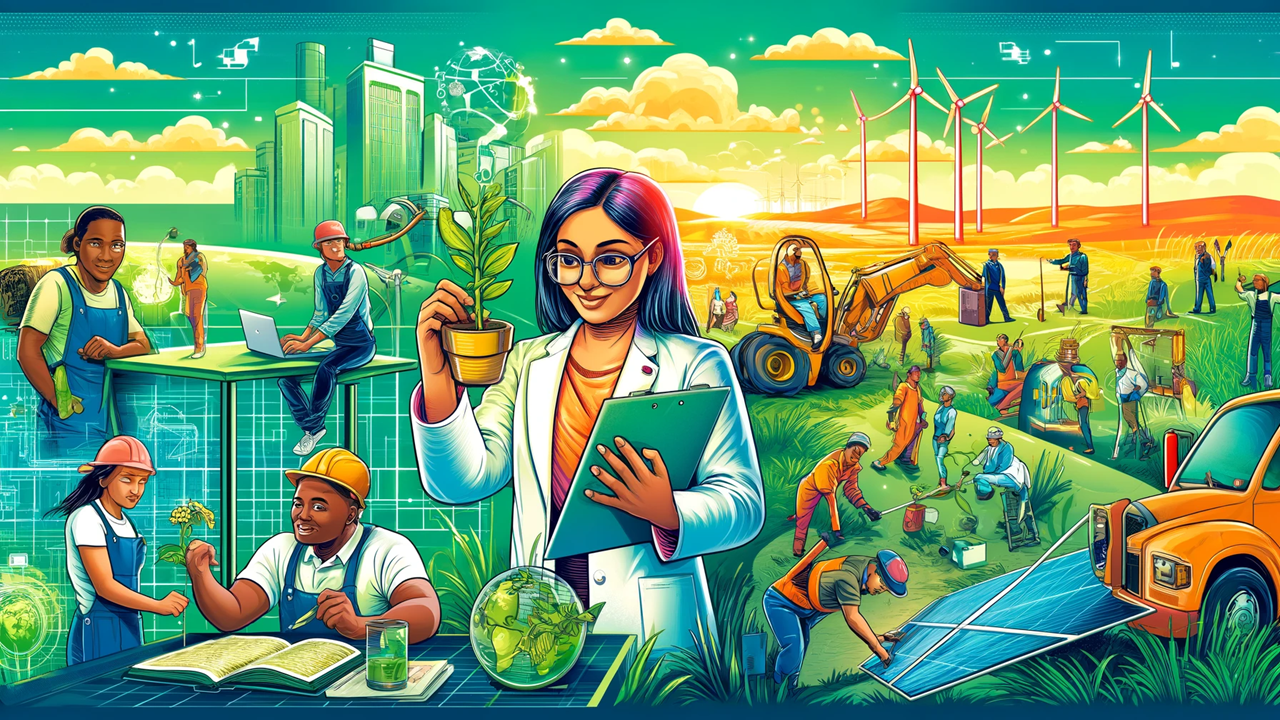
In a bid to address the urgent need for climate action, UNESCO has unveiled groundbreaking initiatives aimed at integrating environmental education into school curricula globally. Recognizing the critical role of education in empowering youth to combat climate change, the organization's Director-General, Audrey Azoulay, emphasized the importance of mainstreaming environmental topics across all levels of education.
A recent analysis by UNESCO revealed concerning gaps in national curriculum frameworks, with nearly half of them omitting any mention of climate disruption. Furthermore, only a small percentage of teachers felt adequately equipped to address climate action in their classrooms, highlighting the need for comprehensive support and resources.
To address these challenges, UNESCO has spearheaded the Greening Education Partnership, a collaborative effort involving over 80 Member States and 1,300 organizations. This initiative aims to provide countries with essential tools to strengthen the role of education in addressing climate disruption.
While progress has been made in integrating environmental topics into curricula, UNESCO's latest report underscores the need for a shift towards action-oriented learning. Rather than solely imparting knowledge, education must empower learners to take tangible steps towards sustainability.
In response, UNESCO has introduced two innovative tools:
The Greening Curriculum Guidance: This practical manual outlines the essential components of climate education and provides detailed learning outcomes for different age groups. Emphasizing active learning and hands-on activities, it offers a roadmap for mainstreaming environmental topics in education.
The Green School Quality Standard: Developed in collaboration with UN agencies and civil society, this standard sets minimum requirements for creating environmentally sustainable schools. It advocates for the establishment of green governance committees, teacher training, energy audits, and community engagement to address local environmental issues.
By equipping educators and students with the necessary tools and resources, UNESCO aims to foster a generation of environmentally conscious individuals capable of driving meaningful change in the fight against climate change.


 Google News