

Bolivia's Fiery Year: Unprecedented Wildfires Ravage Ecosystems
Wildfires in Bolivia have devastated over 10 million hectares, mainly in the tropical east, marking the worst fire season on record. The Santa Cruz and Beni regions experienced significant damage. Scientists attribute the outbreak largely to human activities exacerbated by climate change and drought conditions.
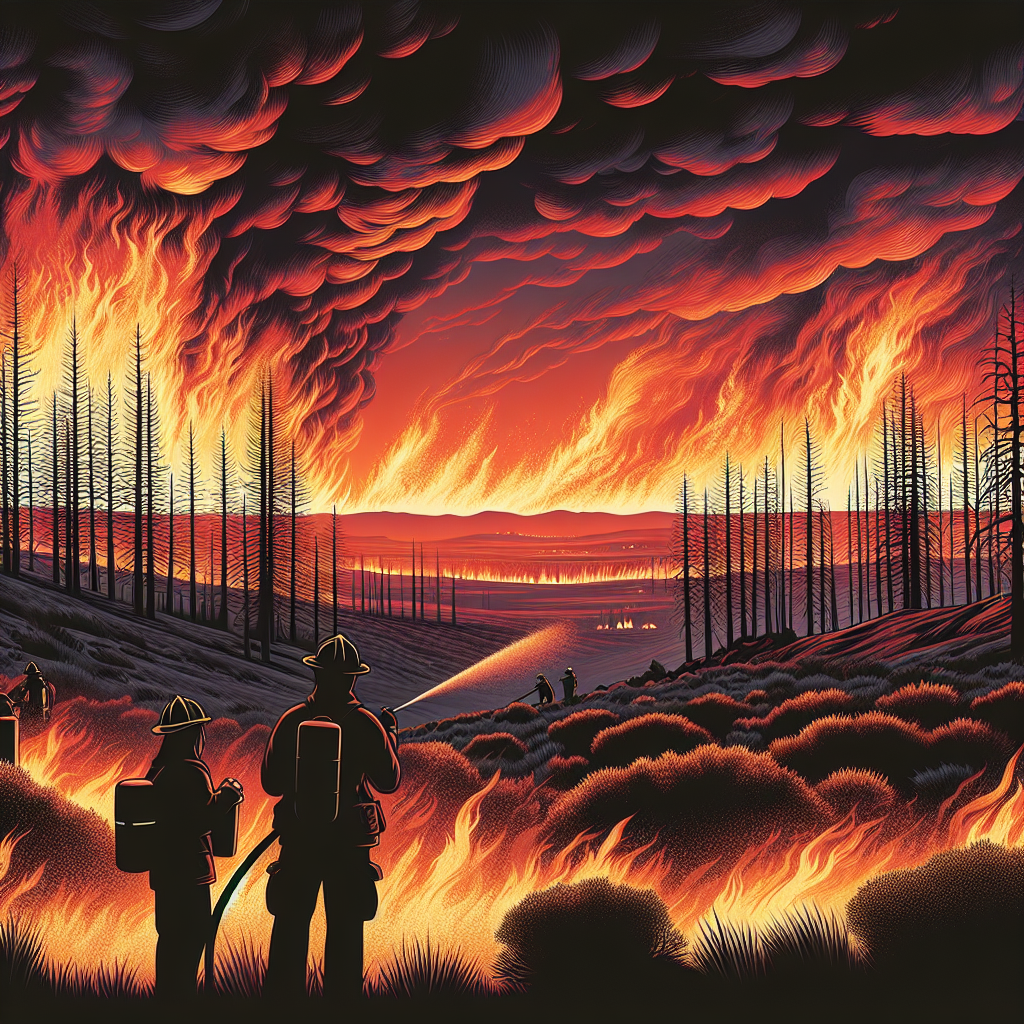
In an unprecedented natural disaster, Bolivia's wildfires have burned through over 10 million hectares of land, primarily in the nation's tropical eastern regions. This devastating fire season has broken previous records, scorching an area comparable in size to Iceland or Cuba.
According to the Tierra Foundation, recent fires have propelled Bolivia past its previous disastrous fire years in 2010 and 2019. The hardest-hit area is Santa Cruz, a prosperous farming region located near Brazil, accounting for almost 7 million hectares of destruction. The adjacent department of Beni follows with 3 million hectares affected.
Scientists point to human-set fires worsened by climate change-driven hot and dry conditions as the key reasons for the disaster. This crisis has resulted in thousands of displaced households, loss of livelihoods, and environmental contamination, with the government declaring a national disaster following demands for action.


 Google News