

Iceland's Fiery Dance: Volcanic Eruptions Reshape Reykjanes Peninsula
A volcano near Iceland's capital erupts for the tenth time in three years, becoming a focal point of seismic activity on the Reykjanes peninsula. Despite multiple eruptions, these events have not significantly impacted air traffic or the capital, thanks to strategic interventions by local authorities.
- Country:
- Norway
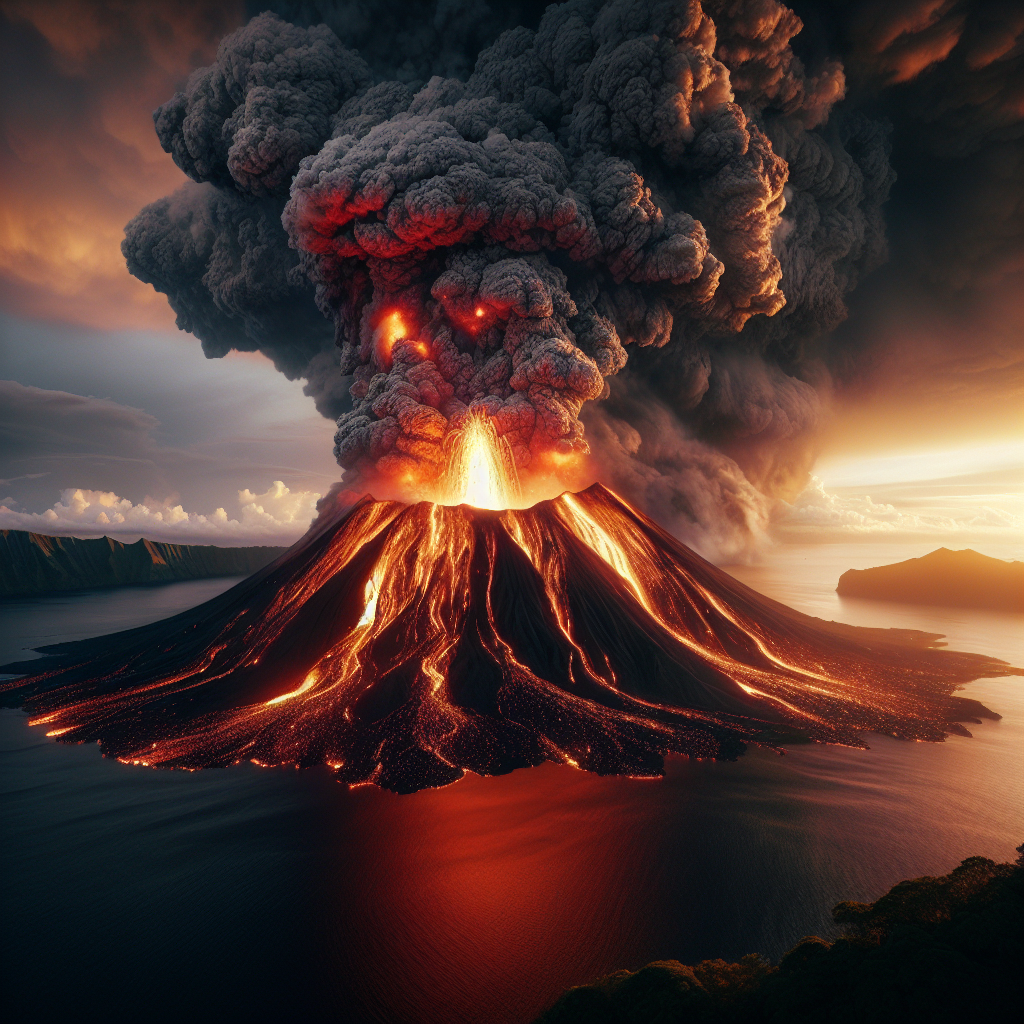
A volcano situated near Iceland's capital has erupted for the tenth time in three years, launching plumes of lava and smoke into the atmosphere, officials from the country's meteorological office reported late Wednesday. Iceland, home to around 400,000 residents, lies on the boundary of the Eurasian and North American tectonic plates, rendering it a frequent site of seismic activity including geysers and active volcanoes.
Authorities had anticipated volcanic activity due to accumulating magma beneath the Reykjanes peninsula, approximately 30 kilometers southwest of Reykjavik, where the preceding eruption concluded on September 6. Although these fissure eruptions on Reykjanes have not disrupted air traffic or directly affected the capital city, precautions remain in place.
The geological systems in this region, dormant for 800 years, reactivated in 2021, leading to increased eruption frequency—the most recent being the sixth in 2024. The nearby Grindavik fishing town, largely evacuated, faces periodic lava threats, highlighting the enduring volcanic challenges despite mitigation efforts like protective barriers.


 Google News