

South Korea's Fiery Crisis: Historic Wildfires Cause Devastation
South Korea faces its worst wildfire disaster with at least 26 deaths and historic sites destroyed. Rapidly spreading fires have burned more than 33,000 hectares, making it the largest in the nation's history. Climate change and dry conditions contribute to the intensified blaze.
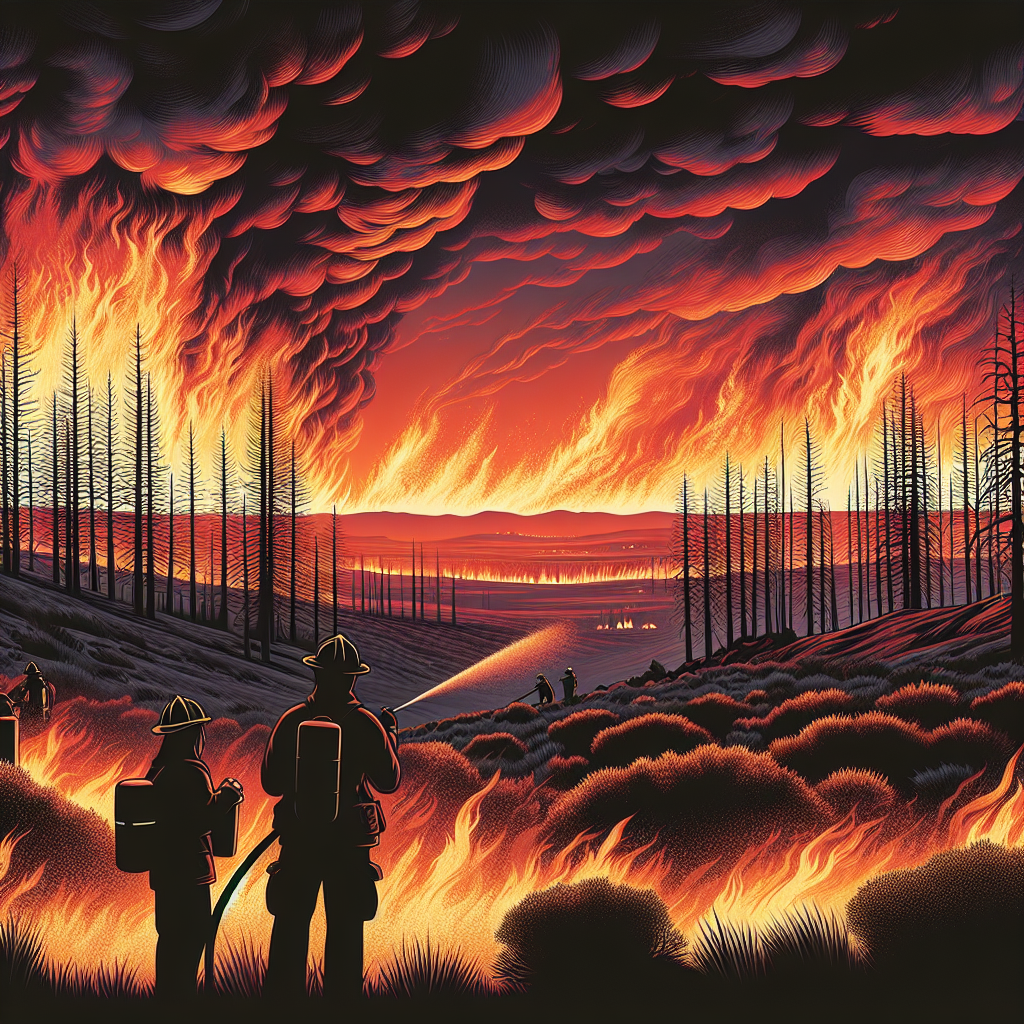
Wildfires in South Korea have more than doubled overnight, leading to the country's worst natural fire disaster, claiming at least 26 lives and destroying historic temples. Officials report over 33,000 hectares are affected in what is now the largest forest fire in South Korean history.
Acting President Han Duck-soo acknowledged the severity of the situation as unprecedented, with rapid fire spread causing numerous casualties. Despite military efforts to supply aviation fuel for firefighting helicopters, fires persist across mountainous regions in the southeast. The fire has reached the coastal county of Yeongdeok, moving eastward at alarming speeds.
The Korea Meteorological Agency forecasts minimal rain, unlikely to aid firefighting efforts significantly. Experts attribute the extreme spread and scale of the Uiseong fire to climate change, turning dry conditions into tinder. Teams scramble to protect UNESCO sites as the blaze threatens cultural heritage in North Gyeongsang province.
ALSO READ
-
Can Native Shrubs Help Stop Invasive Plants From Reclaiming Gangwon’s Riverbanks?
-
Lee Jae Myung's Diplomatic Milestones: Balancing Amidst Global Tensions
-
US-Korea Investment Talks Face Viability Concerns
-
Prospects of a New Summit: South Korean Optimism Amid Uncertainty
-
South Korean Stance on Middle East Conflict


 Google News