

Tunisia Launches $24 Million Landmark Project to Restore Forests and Build Climate Resilience
Valued at $23.72 million (over 73 million Tunisian dinars), the PARFD project represents a powerful example of multilateral cooperation and resource mobilization.
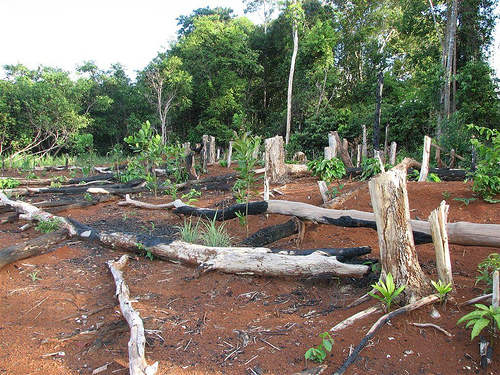
In a significant move toward combating climate change and promoting rural development, the Government of Tunisia, in collaboration with the African Development Bank Group, has launched a major $24 million initiative—the Agroforestry and Degraded Forest Landscape Restoration Project (PARFD). The official launch took place on 23 April 2025 in Tunis, setting in motion an ambitious plan to restore degraded landscapes, bolster climate resilience, and foster sustainable livelihoods across rural Tunisia.
A $24 Million Commitment to Sustainability and Climate Action
Valued at $23.72 million (over 73 million Tunisian dinars), the PARFD project represents a powerful example of multilateral cooperation and resource mobilization. Funding sources for the project include:
-
$17 million from the African Development Bank, through the Climate Investment Funds' Strategic Climate Fund,
-
$6.06 million from the Tunisian Government, and
-
$660,000 in contributions from direct project beneficiaries.
This initiative aligns closely with Tunisia's broader strategic frameworks, particularly the 2030 Sustainable Development Strategy and the nation's pledge under the Paris Agreement to cut carbon intensity by 45% by 2030.
Driving Environmental Restoration and Green Employment
Speaking at the launch event, Mohamed Naoufel Ben Haha, Director General of Forests at Tunisia's Ministry of Agriculture, Water Resources, and Fisheries, emphasized the project's significance:
"This project marks a major milestone in Tunisia's efforts to tackle the complex challenges of climate change and promote sustainable development in rural areas."
One of the major objectives of the PARFD is the restoration or stabilization of 33,200 hectares of degraded land, incorporating 2,450 hectares of privately owned farmland into agroforestry, forestry, and the cultivation of aromatic and medicinal plants. Over the project's 25-year lifecycle, it is expected to sequester 32 million tonnes of carbon dioxide, significantly advancing Tunisia's environmental commitments.
Crucially, the project is forecasted to generate approximately 4,500 green jobs, particularly across the governorates of Béja, Siliana, and Bizerte—regions historically vulnerable to climate-induced land degradation and economic challenges.
A Dual Focus: Ecosystem Health and Rural Prosperity
According to Malinne Blomberg, Deputy Director General for North Africa and Country Manager for Tunisia at the African Development Bank:
"This project addresses the urgent need to protect natural resources through an integrated, value chain-based approach. It targets both ecological restoration and the creation of sustainable economic and social opportunities for rural communities."
The project's approach is deeply holistic—integrating environmental conservation with social and economic development. Through widespread training programs, an estimated 42,000 people will acquire skills in sustainable land management practices, helping embed climate-smart agriculture and forestry at the grassroots level.
Innovative Public-Private Partnerships for Climate Resilience
One of the distinctive features of the PARFD is its innovative use of a public-private partnership (PPP) model. Under this model, Tunisian farmers are actively engaged in rehabilitating private lands adjoining state forests. This model not only strengthens ecosystem connectivity and health but also empowers rural communities by establishing sustainable value chains for high-value crops like aromatic and medicinal plants.
Such an integrated model addresses multiple fronts:
-
Climate resilience through landscape rehabilitation,
-
Food and water security through diversified agricultural systems, and
-
Income generation through new agroforestry-based value chains.
Strengthening Community Resilience Against Climate Change
Tunisia's rural areas have been particularly susceptible to the worsening impacts of climate change—manifesting in reduced agricultural productivity, water scarcity, and ecosystem fragility. By rehabilitating degraded landscapes and embedding sustainable farming practices, the PARFD project directly contributes to improved livelihoods, enhanced food security, and greater adaptive capacity among vulnerable communities.
Additionally, the long-term climate benefits, especially through carbon sequestration, represent a major boost to Tunisia's international climate pledges.
A Collaborative Step Toward a Sustainable Future
The launch of the PARFD is not only a milestone for Tunisia but also an important case study in how developing nations can leverage international partnerships to achieve sustainable development goals (SDGs). Through strategic collaborations, innovative models, and community engagement, Tunisia is charting a path toward a greener, more resilient future.
As the project unfolds, it is expected to serve as a blueprint for other African and Mediterranean countries seeking to restore their degraded lands while simultaneously advancing climate and socio-economic objectives.


 Google News