

Global Experts Chart Safer, Sustainable Future for Research Reactors in Japan
The IAEA’s General Safety Requirements Part 2 was recognized as a global benchmark for implementing these frameworks.
- Country:
- Japan
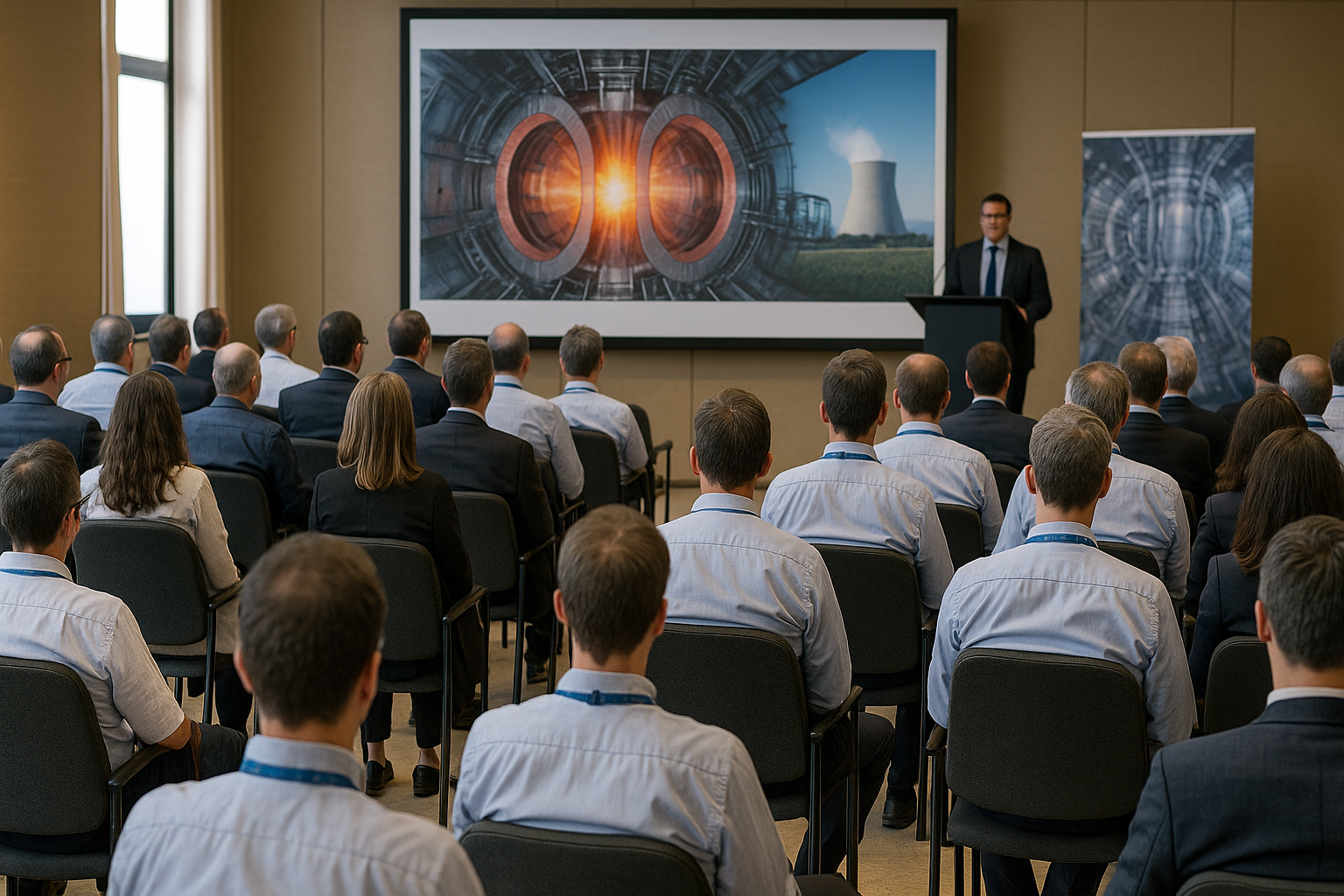
More than 120 international experts from 34 countries have convened in Mito, Japan, to chart safer and more sustainable pathways for the operation of research reactors—a cornerstone of nuclear medicine, semiconductor production, materials science, and clean energy solutions. The meeting took place during the 22nd International Group on Research Reactors (IGORR) Conference, co-organized by the International Atomic Energy Agency (IAEA) and the Japan Atomic Energy Agency (JAEA).
A Platform for Global Collaboration
The IGORR, established 35 years ago, has grown into a vital hub for research reactor collaboration. Its 22nd edition brought together policymakers, operators, and scientists to discuss best practices, safety systems, new reactor projects, and future supply chain resilience.
"The IGORR 22nd Conference has paved the way for discussions on safe operation and utilization of research reactors," said Axel Pichlmaier, IGORR Chair and Technical Director of Germany's FRM II reactor.
The conference was held alongside an IAEA technical meeting focused on integrated management systems, highlighting the role of comprehensive safety frameworks in extending the operational lifespans of reactors.
Ensuring Safety and Longevity
Research reactors, some of which have been operating for decades, are increasingly central to global innovation. Ruben Mazzi, Technical Lead at the IAEA, stressed the importance of adherence to international standards:
"Research reactors following IAEA guidelines can operate safely for 80 years or more, providing critical services and products to the global community."
These services include medical isotopes used in cancer diagnostics, materials testing for advanced industries, and education and training for the next generation of nuclear specialists.
Strengthening Integrated Safety Systems
A major focus of the technical sessions was on integrated management systems (IMS), which combine nuclear safety, radiation and environmental protection, and quality assurance into one framework.
Joseph Christensen, Senior Nuclear Safety Officer at IAEA, explained:
"Safety and licensing form the backbone of research reactor operations. A management system that integrates safety, security, quality, and environmental protection ensures sustainable operation."
The IAEA's General Safety Requirements Part 2 was recognized as a global benchmark for implementing these frameworks.
Spotlight on New Reactor Projects
The conference also provided a stage for sharing updates on new research reactor initiatives:
-
Japan showcased its re-commissioned Static Experiment Critical Facility, designed to study fuel debris from the 2011 Fukushima accident.
-
JAEA also announced plans for a 10 MW multipurpose reactor, which will support neutron physics, materials science, isotope production, and applied nuclear research.
-
Bolivia reported significant progress in constructing its first research reactor, expected to begin operations later this year.
-
Several other countries outlined plans for new research reactors in the coming decade, reinforcing the technology's global relevance.
Research Reactors and Semiconductor Supply
A highlight of the meeting was the focus on Neutron Transmutation Doped Silicon (NTD-Si), a rare and essential material for high-power semiconductors. Used in global high-voltage energy grids, NTD-Si is produced almost exclusively in research reactors, making these facilities critical to the decarbonization of global energy systems.
Danas Ridikas, Head of Physics Section at the IAEA, warned of supply risks:
"Closer coordination between producers and end-users is vital to prevent delays or disruptions in NTD-Si production."
To address this, the IAEA announced plans to establish the "NTD-Si Alliance 4 Net Zero", a global coalition to secure semiconductor supply chains for the clean energy transition.
Field Visits in Japan
Participants toured JAEA's JRR-3 and STACY facilities in Tokai Village, gaining insights into reactor designs, safety features, and their role in providing training and irradiation services. These visits highlighted Japan's long-standing contributions to the global research reactor community.
Human Resources and Knowledge Sharing
Another key theme was capacity-building. With many nuclear experts nearing retirement, participants highlighted the urgency of human resource development. IGORR plays a crucial role in training the next generation of specialists and promoting knowledge transfer across borders.
For many, the conference was a first-time opportunity to engage with the broader research reactor community. Hiroki Hanakawa of JAEA remarked:
"It is a great opportunity to connect with experts from around the world, share solutions, and explore new reactor projects, safety, ageing, and training needs."
Looking Ahead
The outcomes of IGORR 22 and the parallel IAEA technical meeting will inform ongoing international efforts to strengthen research reactor operations. These include:
-
Expanding the application of integrated safety systems.
-
Facilitating new research reactor development in emerging economies.
-
Strengthening the global supply of semiconductor-grade silicon.
-
Supporting innovation in medical isotope production.
The IAEA reiterated its commitment to supporting member states with construction, operation, fuel cycle management, and training related to research reactors.
In an era where nuclear applications are increasingly vital for health, industry, and clean energy, the Mito conference underscored that collaboration, safety, and innovation are essential for harnessing research reactors for the next century.
ALSO READ
-
Nuclear Science Brings Cancer Care, Safer Food and Better Water Data Across Regions
-
From Cancer Care to Nuclear Careers, IAEA Conference Puts Global Progress in Focus
-
Türkiye Uses Nuclear Science to Protect Citrus Harvests and Tackle Fruit Fly Damage
-
IAEA and IDB Join Forces to Expand Nuclear Energy in Latin America and Caribbean
-
IAEA Joins Forces With Six Industry Partners to Close Global Cancer Care Divide


 Google News