

IAEA Leads Fifth Seawater Sampling Mission Near Fukushima for Safety Checks
The IAEA launched these additional transparency measures in October 2023, expanding its oversight role with direct participation by international experts.
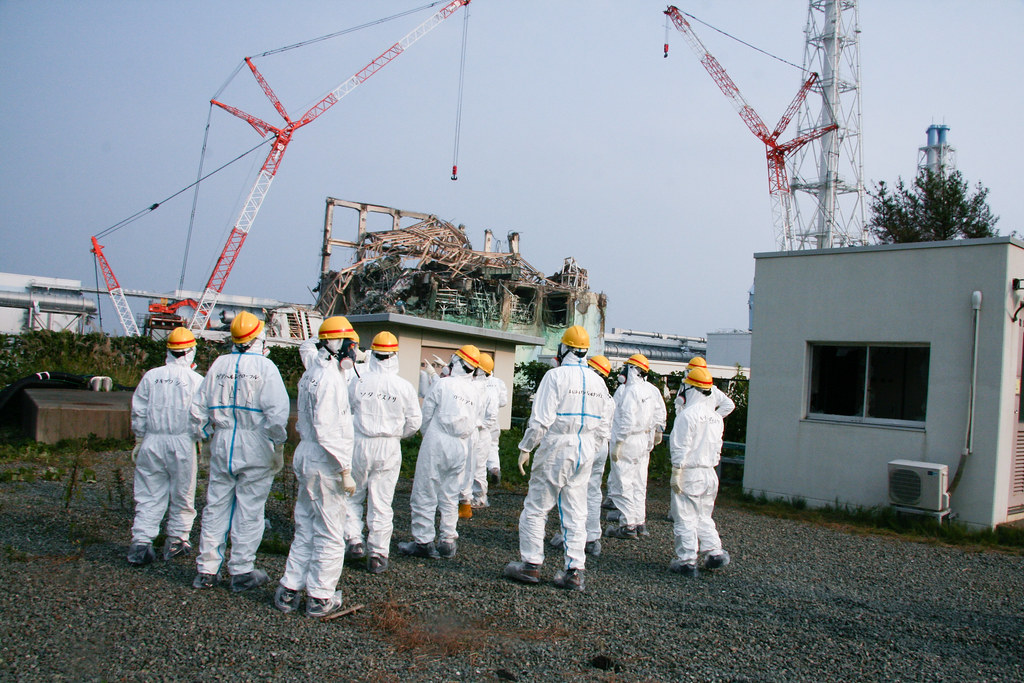
The International Atomic Energy Agency (IAEA) has carried out its fifth mission of seawater sampling and fishery product selection near the Fukushima Daiichi Nuclear Power Station (FDNPS) in Japan, as part of its expanded measures to ensure transparency and international confidence in the discharge of treated water from the site.
Ensuring Safety Through Independent Oversight
The sampling operation was led by an IAEA team of international experts representing the People's Republic of China, the Republic of Korea, New Zealand, the Russian Federation, and Switzerland, alongside IAEA staff. The mission involved hands-on collection of seawater and marine samples near Fukushima to independently verify radiation levels.
These measures follow the discharge of water that has been processed through the Advanced Liquid Processing System (ALPS) by Tokyo Electric Power Company Holdings (TEPCO). Discharges began in August 2023 and are subject to ongoing IAEA monitoring to ensure they remain consistent with international safety standards.
Part of a Series of Additional Measures
The IAEA launched these additional transparency measures in October 2023, expanding its oversight role with direct participation by international experts.
-
In February 2024, IAEA Director General Rafael Mariano Grossi personally joined experts to supervise seawater sampling near FDNPS.
-
In June 2024, a separate mission was conducted to collect samples of ALPS-treated water ahead of the discharge of the 14th batch.
-
The latest September 2025 mission continues this cycle, focusing on seawater and fishery products to strengthen confidence in food safety and marine environmental protection.
Where the Samples Go
The samples collected during this mission will undergo analysis at several internationally recognized laboratories, including:
-
China Institute for Radiation Protection,
-
Korea Institute for Nuclear Safety,
-
Environmental Radioactivity Laboratory, New Zealand,
-
Lomonosov Moscow State University, Russian Federation,
-
Spiez Laboratory, Switzerland,
-
IAEA Marine Environment Laboratories, Monaco,
-
Designated laboratories in Japan.
All of these institutions are part of the IAEA's ALMERA network (Analytical Laboratories for the Measurement of Environmental Radioactivity), a global consortium of laboratories selected for their analytical expertise and high standards of performance.
Transparency and International Trust
The IAEA's expanded monitoring regime aims to enhance transparency, foster international participation, and strengthen public confidence in the discharge of treated water from Fukushima. By enabling third-party experts to directly collect and analyze samples, the Agency ensures independent verification of TEPCO's monitoring data.
Grossi has consistently emphasized that the IAEA's role is not only to provide scientific oversight but also to reassure governments and the public that safety standards are being upheld.
Looking Ahead
With treated water discharges set to continue for decades, the IAEA's ongoing missions, combined with independent laboratory analysis, will remain a central feature of the long-term monitoring strategy. The results of these analyses will be made public, ensuring that communities in Japan and neighboring countries can access independent, science-based evidence on the environmental impact of Fukushima's treated water releases.


 Google News