

Understanding Nuclear Energy: How Fission Powers the World’s Clean Energy Future
Nuclear fission occurs when the nucleus of an atom splits into two or more smaller nuclei, releasing a substantial amount of energy, heat, and radiation.
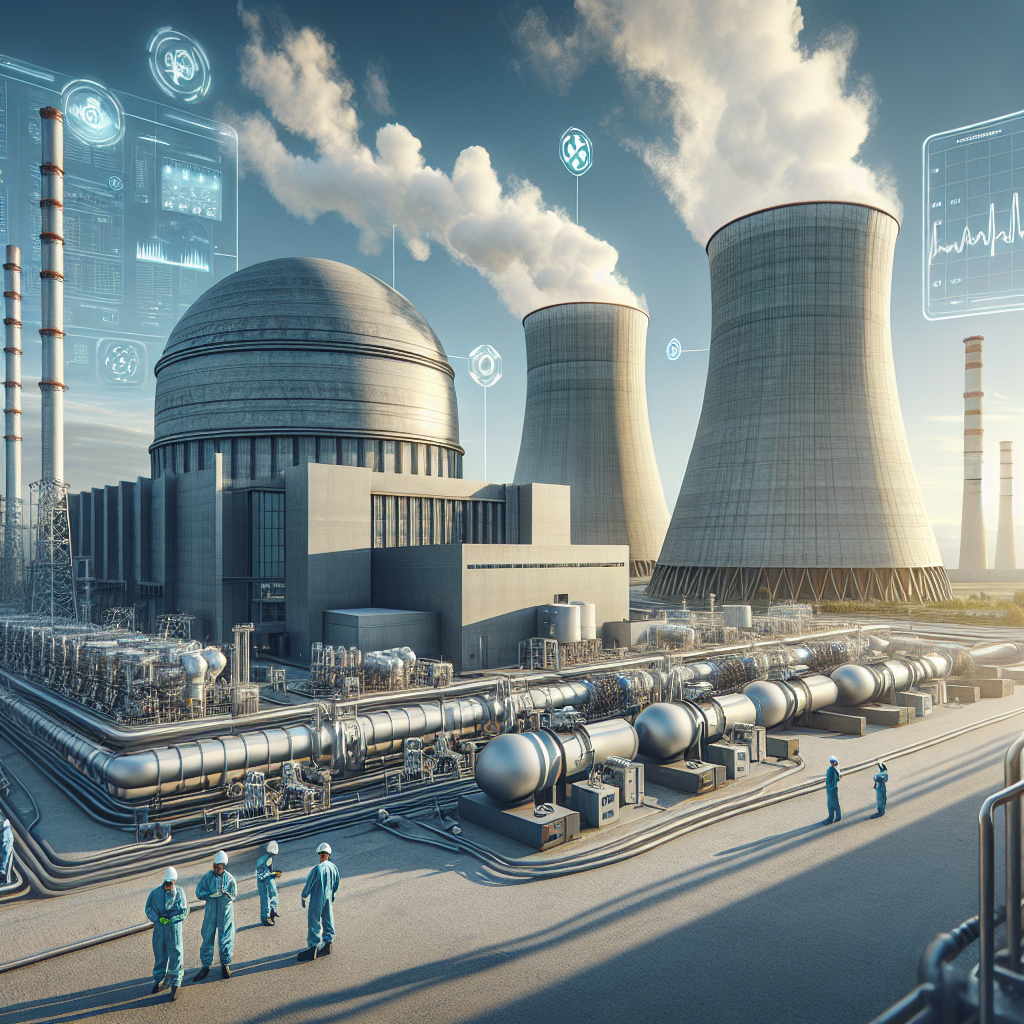
Nuclear energy is one of humanity's most powerful and efficient sources of electricity — derived from the core of atoms, where enormous amounts of energy are stored in the form of nuclear bonds. This energy is released through two distinct processes: nuclear fission, where atomic nuclei split apart, and nuclear fusion, where they merge together.
While nuclear fusion remains at the research and development stage, nuclear fission is the process currently harnessed in nuclear power plants worldwide to produce large amounts of low-carbon electricity. As the world transitions toward cleaner energy systems to combat climate change, understanding how nuclear fission works — and its potential for sustainable energy generation — is more important than ever.
What Is Nuclear Fission?
Nuclear fission occurs when the nucleus of an atom splits into two or more smaller nuclei, releasing a substantial amount of energy, heat, and radiation.
The most commonly used element in this process is uranium-235, a naturally occurring isotope of uranium. When a uranium-235 nucleus is struck by a neutron, it becomes unstable and splits into smaller elements — such as barium and krypton — while releasing additional neutrons and energy.
These newly released neutrons then collide with other uranium-235 atoms, triggering a chain reaction. This self-sustaining reaction occurs within fractions of a second and releases a continuous flow of heat, which can be converted into electricity.
Each fission event releases millions of times more energy than a single chemical reaction like burning coal or gas, making nuclear power one of the most energy-dense technologies known.
How Does a Nuclear Power Plant Work?
Inside a nuclear power plant, the fission chain reaction is controlled and used to produce electricity safely. The heart of the plant is the nuclear reactor, which contains the fuel assemblies — typically uranium-235 or mixed oxide (MOX) fuel.
Here's how the process works step by step:
-
Fission Reaction: Uranium fuel undergoes fission, generating heat.
-
Heat Transfer: This heat is absorbed by a coolant, usually pressurized water, circulating through the reactor core.
-
Steam Generation: The heated water is converted into steam in a separate loop.
-
Electricity Production: The steam drives turbines connected to electric generators, producing electricity.
-
Condensation and Recycling: After passing through the turbines, the steam is cooled back into water and recirculated to continue the cycle.
The entire process operates under strict safety protocols, ensuring the reactor remains stable and the chain reaction is precisely regulated.
Globally, the most common type of reactor in use is the Pressurized Water Reactor (PWR), though other designs such as Boiling Water Reactors (BWRs), Heavy Water Reactors, and Fast Breeder Reactors are also employed depending on national energy strategies.
Uranium: From Mining to Energy
Uranium, the key raw material for nuclear fuel, is a naturally occurring metal found in rocks across the globe. It has several isotopes, the most significant being uranium-238 (about 99.3% of natural uranium) and uranium-235 (less than 1%).
Only uranium-235 can sustain a fission chain reaction. Therefore, to use natural uranium as nuclear fuel, it must undergo uranium enrichment — a process that increases the proportion of uranium-235 from 0.7% to around 3–5%.
Once enriched, uranium is fabricated into small ceramic pellets, stacked into fuel rods, and assembled into fuel bundles for use in reactors. After 3–5 years in operation, these fuel rods are removed, having become spent fuel due to the buildup of fission products and reduced efficiency.
Spent fuel remains radioactive and must be handled carefully. It can be:
-
Stored temporarily in cooling pools or dry casks, or
-
Reprocessed to extract usable uranium and plutonium for recycling into new fuel, particularly in fast reactors or mixed-oxide fuel cycles.
This closed-loop process is part of what's known as the nuclear fuel cycle, which ensures that the material is used efficiently and safely from extraction to disposal.
Managing Nuclear Waste
Nuclear power plants generate radioactive waste, but contrary to popular misconceptions, the volume is relatively small compared to other industrial waste streams.
Radioactive waste is classified into three categories:
-
Low-level waste (LLW) — such as contaminated tools or protective clothing.
-
Intermediate-level waste (ILW) — materials from reactor maintenance.
-
High-level waste (HLW) — spent fuel or reprocessed residues.
Each category is handled according to its radioactivity and longevity, with the highest-level waste stored in specially designed, shielded facilities that prevent environmental contamination.
Modern technologies and advanced reactor designs are expected to reduce nuclear waste generation dramatically. Next-generation reactors, including small modular reactors (SMRs) and fast neutron reactors, can recycle used fuel and improve efficiency, potentially coming online by 2030.
Nuclear Power and Climate Change
Nuclear energy plays a vital role in the clean energy transition. It is a low-carbon, baseload source of electricity, capable of providing consistent power without emitting carbon dioxide (CO₂) during operation.
Currently, nuclear power accounts for about 9% of the world's total electricity and approximately 25% of global low-carbon electricity generation, making it a key component in efforts to decarbonize the energy sector.
Unlike intermittent renewables such as solar or wind, nuclear plants provide continuous, reliable electricity, supporting grid stability and enabling deeper integration of renewable sources.
By replacing fossil fuels in electricity generation, nuclear energy contributes significantly to climate change mitigation — aligning with the Paris Agreement goals and national net-zero strategies.
The Role of the IAEA in Global Nuclear Governance
The International Atomic Energy Agency (IAEA) plays a central role in promoting the safe, secure, and peaceful use of nuclear energy. Its work spans technical, regulatory, and humanitarian dimensions:
-
Safety and Security: Establishes international safety standards and supports countries in implementing them.
-
Technical Assistance: Through its Milestones Approach, the IAEA guides nations developing new nuclear programs or decommissioning older ones.
-
Safeguards and Verification: Ensures that nuclear material is not diverted for non-peaceful purposes, maintaining transparency and international trust.
-
Knowledge and Capacity Building: Provides training, research coordination, and technology transfer to strengthen global nuclear expertise.
-
LEU Bank in Kazakhstan: Administers a Low Enriched Uranium Reserve as a backup supply for countries facing supply disruptions, ensuring access to peaceful nuclear fuel.
The Future of Nuclear Power
The future of nuclear energy lies in innovation, sustainability, and collaboration. Emerging technologies — including advanced reactors, small modular reactors, and fusion research — promise greater efficiency, enhanced safety, and reduced waste.
With the world seeking secure, clean, and scalable solutions to the climate crisis, nuclear energy stands as one of the few proven technologies capable of delivering large-scale, low-carbon electricity.
As the IAEA and international community continue to strengthen cooperation and safety frameworks, nuclear power remains poised to play a pivotal role in achieving energy security, environmental protection, and a sustainable future for all.


 Google News