

UNHCR Launches First Refugee-Led Carbon Fund to Restore Land and Cut Emissions
The REP Fund represents a transformative model in which environmental recovery, carbon credit generation, and community empowerment are integrated into a single long-term strategy.
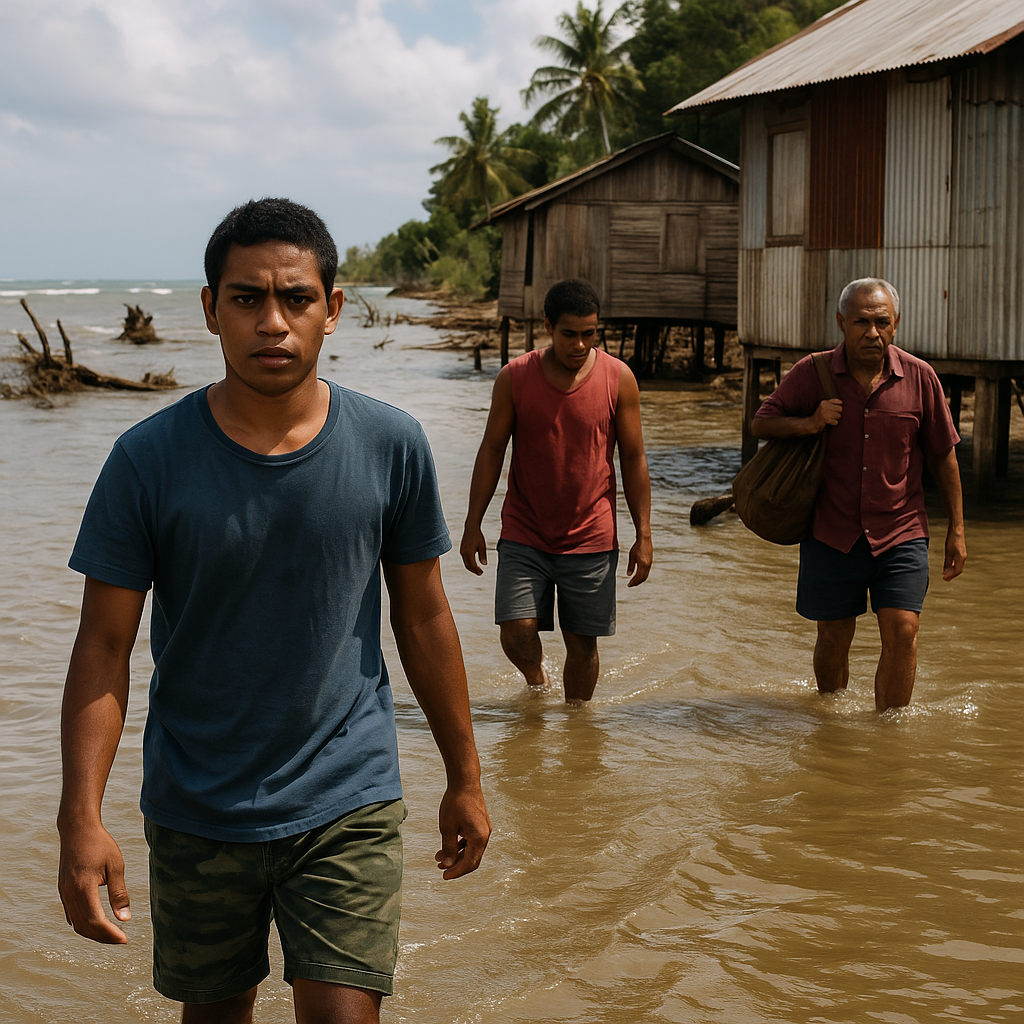
The UN Refugee Agency (UNHCR) has launched the world's first large-scale, refugee-driven carbon financing initiative — the Refugee Environmental Protection (REP) Fund — an ambitious effort to restore degraded landscapes, expand clean energy access, and create green livelihoods across refugee-hosting regions. The initiative marks a major shift in global climate finance, recognising that refugees are not only victims of environmental degradation but also essential partners in climate solutions.
The REP Fund represents a transformative model in which environmental recovery, carbon credit generation, and community empowerment are integrated into a single long-term strategy. Over the next decade, the initiative aims to restore more than 100,000 hectares of land, expand clean cooking access to 1 million people, and strengthen the resilience of refugee communities who are disproportionately exposed to extreme weather, deforestation, and resource scarcity.
A Climate Finance Model Led by Refugees
"Refugees often live on the front lines of extreme weather, facing floods, droughts and the loss of vital natural resources," said Siddhartha Sinha, Head of Innovative Financing at UNHCR. "The REP Fund allows us to invest in the environment, create safer conditions and give communities a real stake in protecting the land they depend on."
The Fund goes beyond traditional aid by creating a pathway for forcibly displaced people to gain skills, employment, and income from verified environmental initiatives. Refugees and host communities will play central roles in planning, implementing, and monitoring every stage of the projects.
First Projects Begin in Uganda and Rwanda
The REP Fund's first operational projects are rolling out in Uganda and Rwanda, two countries hosting large refugee populations and facing intense environmental pressures.
Uganda: Restoring Land and Cutting CO₂ in Africa's Largest Refugee Host
Uganda is home to more than 1.6 million refugees, most of whom depend on local ecosystems for survival. Here, the Fund will:
-
Restore 6,000 hectares of degraded land across Bidibidi and Kyangwali settlements
-
Support cooperatives producing seedlings and managing forests
-
Introduce cleaner cooking technologies to reduce reliance on wood fuel
-
Create thousands of green jobs for refugees and local residents
-
Cut an estimated 200,000 tonnes of CO₂ every year
-
Strengthen local food and water systems
These interventions will reduce pressure on fragile ecosystems while offering sustainable livelihoods to families who have long relied on firewood collection, often at personal risk.
Rwanda: Protecting a Biodiversity Hotspot While Creating Clean Energy Access
In Kigeme refugee camp, located within the Albertine Rift, one of Africa's richest biodiversity regions, the Fund aims to:
-
Rehabilitate 600–800 hectares of degraded hillsides and buffer zones
-
Provide safer, cleaner cookstoves to over 15,000 people
-
Create long-term jobs in soil conservation, nursery management, and energy services
Cleaner cooking solutions will reduce smoke-related health issues and slash firewood consumption, easing pressure on one of the continent's most ecologically important landscapes.
Monitoring Impact and Reinventing Carbon Finance
All environmental and livelihood outcomes — including carbon reductions, biodiversity gains, water retention, soil improvements, and income generation — will be independently verified. Revenues from the sale of carbon credits will be reinvested transparently into new community-led projects, ensuring benefits continue to grow over time.
"By integrating forcibly displaced communities into verified financing markets, the REP Fund demonstrates that humanitarian settings are not just beneficiaries of financing but active participants in global solutions," said Pilar Pedrinelli, REP Fund Lead at UNHCR.
Expanding to Brazil and Bangladesh
The Fund is already exploring expansion opportunities in Brazil and Bangladesh, two regions hosting large displaced populations and facing mounting climate challenges.
Brazil (Roraima): Protecting Indigenous Lands and Refugee Livelihoods
In the São Marcos Indigenous Land — a 650,000-hectare stretch of Amazon forest and savanna — the REP Fund plans to restore ecosystems threatened by rapid tree loss and topsoil degradation. The region is home to 21,000 Indigenous people as well as Venezuelan Indigenous refugees, and without immediate intervention, local livelihoods and cultural traditions risk irreversible damage.
Bangladesh (Cox's Bazar): Reversing One of the World's Fastest Deforestation Rates
Cox's Bazar, the world's largest refugee settlement, faces severe deforestation driven by firewood demand and population density. The REP Fund could support large-scale land restoration, clean cooking alternatives, and forest regeneration to stabilize the environment around the camps.
Addressing a Crisis of Deforestation and Protection Risks
Across refugee-hosting areas, 25 million trees are cut down each year for cooking fuel. This level of deforestation erodes topsoil, increases flood and drought risks, worsens agricultural conditions, and heightens protection risks for women and children who must travel long distances to collect firewood.
Cleaner cookstoves, restored forests, and green energy solutions will reduce exposure to violence, free up time for education and livelihoods, and improve health conditions while helping families rebuild the land that sustains them.
A New Vision for Humanitarian Climate Action
The REP Fund represents one of the most innovative climate-resilience efforts ever undertaken in displacement settings. By creating a sustainable revenue stream through carbon markets, the Fund empowers refugees not just as beneficiaries but as leaders and contributors in global climate solutions.
As climate impacts intensify worldwide, UNHCR is urging partners, governments, and investors to support this initiative so communities living on the front lines of climate change can protect their environment — and their future.
ALSO READ
-
Mozambique Faces Fossil Fuel Trap; UN Expert Calls for Solar-Powered Future for All
-
Deepening Funding Cuts Push Nearly 6 Million Refugee Children Out of School
-
Malaysia’s Return of 1,476 People to Myanmar Raises UNHCR Fears Over Their Safety
-
Food Resilience Looks Stronger Where Agricultural Adaptation Stays in Place
-
Myanmar Market Airstrikes Kill at Least 50 as UN Urges Malaysia to Halt Deportations


 Google News