

Data-Driven Disaster Planning Can Transform Recovery and Build Long-Term Resilience
The report analyzes 91 Post-Disaster Needs Assessments conducted between 2000 and 2024, offering one of the most comprehensive global assessments of disaster impacts to date.
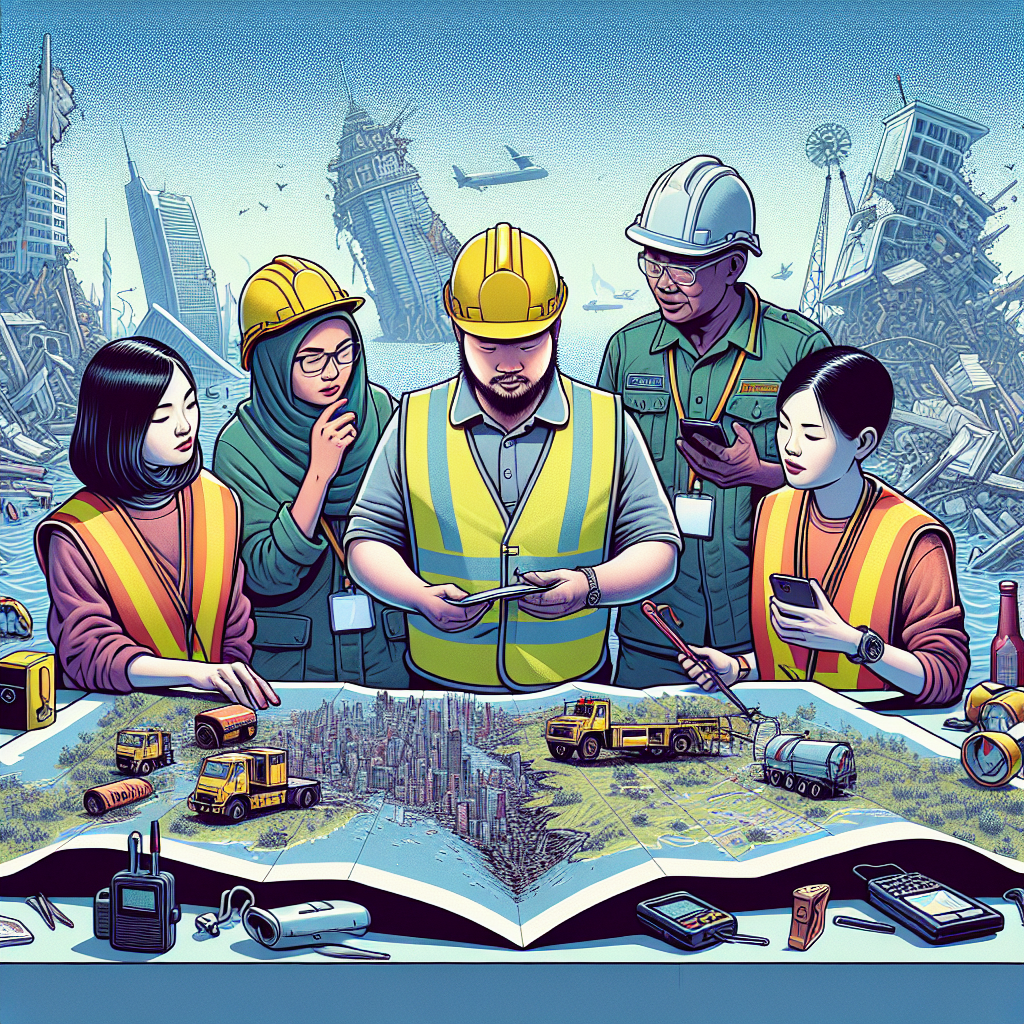
The growing human and economic toll of disasters is forcing governments to rethink how they prepare for, respond to, and recover from extreme weather and climate events. A new joint report by the World Meteorological Organization (WMO) and the United Nations Development Programme (UNDP) makes a compelling case for a fundamental shift: moving away from reactive disaster response toward proactive, risk-informed development grounded in robust data and scientific evidence.
Titled Mapping the Impact and Informing Economic Resilience: An Analysis of Post-Disaster Needs Assessments (PDNAs), the publication responds to rising demand from governments, donors, and development partners for more precise, sector-specific insights to guide recovery investments and strengthen national resilience systems.
Evidence from Two Decades of Disasters
The report analyzes 91 Post-Disaster Needs Assessments conducted between 2000 and 2024, offering one of the most comprehensive global assessments of disaster impacts to date. It examines the effects of tropical cyclones, floods, and droughts across key sectors including agriculture, housing, transport, health, education, water and sanitation, and industry.
Covering Africa, Asia-Pacific, the Americas, and Europe, the findings reveal clear patterns in where losses and damages are concentrated and which systems remain most vulnerable. Agriculture, housing and settlements, and transport consistently account for the largest share of economic losses, underscoring the predictable nature of disaster impacts and the potential to reduce them through better planning.
Despite the scale of available assessments, the report also highlights major disparities in data quality and coverage, limiting the ability of countries to design effective recovery and risk reduction strategies.
Climate Extremes Are Undermining Development
In the foreword, WMO Deputy Secretary-General Ko Barrett warns that escalating climate and weather extremes are eroding development gains worldwide.
She notes that hazards linked to climate change are no longer isolated shocks but have cascading impacts across economies and societies, affecting food security, energy systems, housing, public health, and critical infrastructure. The report, she writes, provides a vital evidence base to understand these differentiated impacts and identify where vulnerabilities are most acute.
From Rebuilding to "Building Back Better"
A central message of the report is that many countries remain trapped in cycles of repeated damage. Recovery efforts often prioritize speed over sustainability, restoring what was lost without addressing underlying risks.
To break this cycle, the report calls for embedding resilience into recovery by:
-
Aligning reconstruction with national adaptation and development plans
-
Enforcing safer construction standards and investing in resilient infrastructure
-
Supporting diversified, climate-resilient livelihoods
-
Integrating impact-based forecasts and climate services into recovery decisions
Such measures reduce future losses, protect critical assets, and help countries withstand increasingly frequent and severe extreme events.
The Underused Power of Meteorological Services
One of the report's most striking findings is the limited involvement of National Meteorological and Hydrological Services (NMHSs) in disaster assessments. Only about 20% of PDNAs reviewed engaged NMHSs, despite their central role in hazard monitoring, attribution, and early warning systems.
NMHSs provide authoritative data needed to quantify the intensity and anomalies of extreme events, validate losses and damages, and link impacts directly to specific hazards. Without their full participation, disaster assessments risk being incomplete, reducing the scientific rigor of recovery planning.
The report argues that integrating NMHSs more systematically would transform PDNAs from backward-looking inventories of destruction into forward-looking tools for resilience-building.
Strengthening the Foundations of Risk-Informed Development
To unlock this potential, the publication recommends:
-
Systematic integration of NMHSs into national assessment and recovery processes
-
Increased investment in observation networks, forecasting systems, and data services
-
Wider use of socioeconomic benefit analyses to guide investment decisions
-
Stronger collaboration between NMHSs, sector ministries, and local authorities
According to UNDP Assistant Secretary-General Shoko Noda, every dollar invested in resilience today reduces future human and economic costs, contributing to fairer, safer, and more sustainable development.
Key Lessons for Governments and Donors
The analysis distills five overarching lessons:
-
Sectoral impacts are predictable and preventable, with agriculture, housing, and transport requiring priority attention.
-
Building back better must guide recovery, not just rapid reconstruction.
-
NMHSs are essential partners, improving the accuracy and credibility of disaster assessments.
-
Early warning systems save lives and livelihoods, especially for vulnerable communities.
-
Standardized hazard and sectoral data are critical for effective planning and global comparability.
Together, these insights offer a practical roadmap for countries seeking to protect development gains, reduce disaster losses, and build resilient economies in an era of accelerating climate risk.


 Google News