

IAEA-Led Global Research Unlocks New Frontiers in Personalized Radiation Medicine
Breakthrough biodosimetry project spanning 27 countries delivers validated biomarkers, automated tools, and clinical datasets to transform radiation safety and precision care.
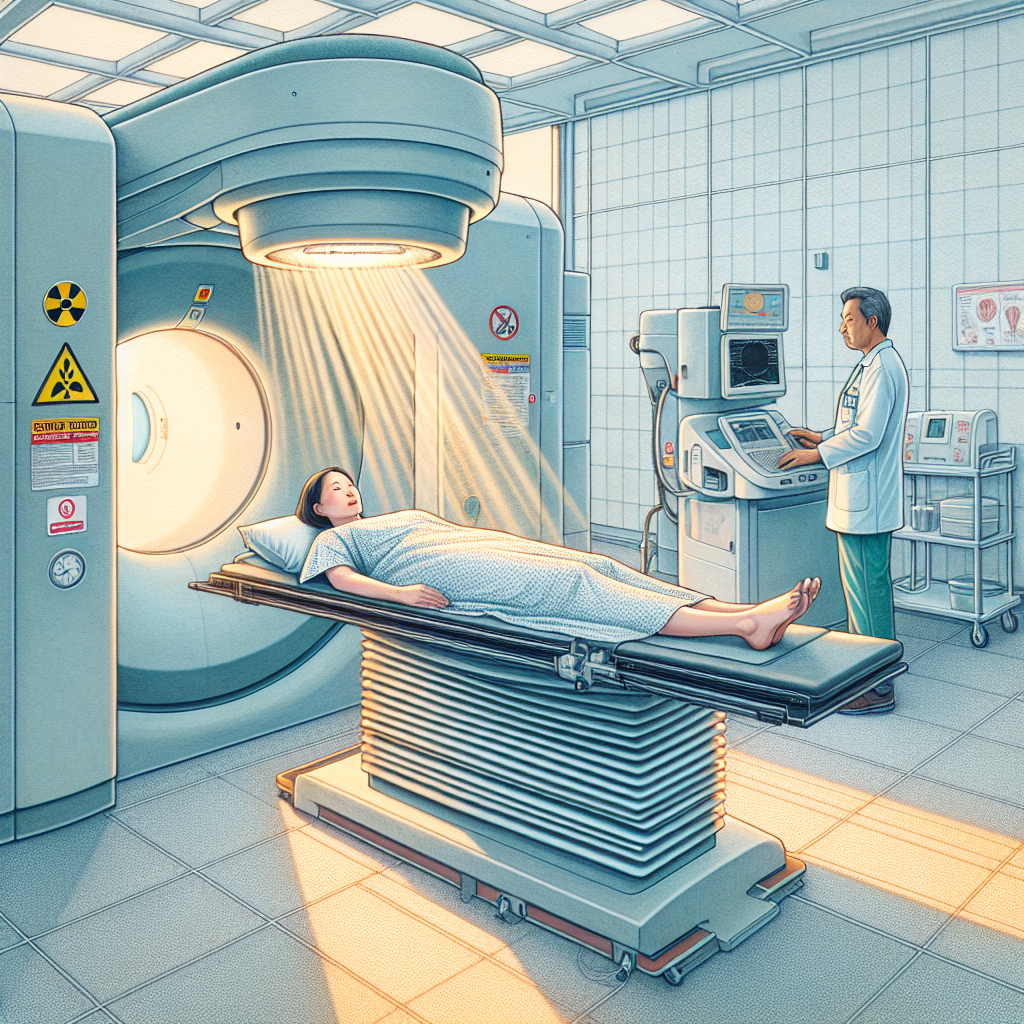
A major international research initiative led by the International Atomic Energy Agency (IAEA) has significantly advanced global understanding of how ionizing radiation affects human health, paving the way for next-generation, data-driven personalized radiation medicine.
The multi-year project, known as MEDBIODOSE, brought together 31 research institutions across 27 countries to investigate how biological responses—known as biodosimetric markers—can be used to accurately estimate radiation exposure in clinical settings such as radiotherapy, nuclear medicine, and diagnostic imaging.
At its core, the project addresses a growing challenge in modern medicine: how to precisely measure individual radiation exposure and biological response, rather than relying on population averages.
From Population Models to Individualized Radiation Risk
"As healthcare moves toward personalized medicine, clinicians need reliable assays that assess radiation exposure at the individual level," said Oleg Belyakov, IAEA radiobiologist and technical officer for the project. "Beyond patient safety, these tools are critical for predicting how normal tissues respond to radiation-based procedures."
While existing biomarkers have shown promise, MEDBIODOSE tackled longstanding gaps in reliability, scalability, and clinical usability—barriers that have limited routine adoption.
A Global Data Engine for Radiation Science
Launched in 2017, MEDBIODOSE generated one of the largest harmonized biodosimetry datasets ever assembled, incorporating:
-
Cytogenetic data, including chromosomal aberrations
-
Molecular biomarkers linked to DNA damage
-
Gene expression and protein-based indicators
By analysing samples from multiple donors, researchers were able to identify inter-individual variability in radiation response, including radiosensitive patients who may require tailored protection strategies or treatment plans.
New Biomarkers, Smarter Tools, Faster Analysis
The project has already produced over 100 peer-reviewed publications, validating a new generation of radiation-response biomarkers and establishing calibration curves to estimate absorbed radiation doses with higher accuracy.
Researchers also developed and tested high-throughput and partially automated technologies, including:
-
Multicolour fluorescence in situ hybridisation (mFISH)
-
PNA-FISH platforms
-
Flow-cytometry-based biodosimetry systems
-
Advanced image-analysis software for rapid dose estimation
Laboratory simulations of uneven and partial radiation exposure generated critical baseline data to improve real-world clinical assessment—particularly in complex diagnostic and interventional procedures.
Addressing Radiation Safety Concerns in Medical Imaging
One notable finding demonstrated that standard biodosimetric techniques can detect chromosomal breaks in lymphocytes after a single CT scan. At the same time, researchers showed that low-dose CT scans used for lung cancer screening do not appear to damage human DNA, offering evidence-based reassurance amid public concerns about radiation-induced cancer risk.
A Platform for Clinical Innovation and AI Integration
"MEDBIODOSE has established invaluable in-vivo and in-vitro datasets and validated new biomarkers that will shape the future of biodosimetry," said Satoshi Tashiro, Professor at Hiroshima University's Research Institute for Radiation Biology and Medicine.
He highlighted the project's role in enabling automation, AI-assisted analysis, and routine collaboration between clinicians and biodosimetrists, supporting smarter diagnostic decisions and improved prediction of radiotherapy side effects.
Call to Action: Early Adoption in Health Tech and Clinical AI
The IAEA is encouraging health-tech developers, clinical AI startups, medical imaging innovators, and research hospitals to explore early adoption of MEDBIODOSE-validated tools and datasets.
Potential applications include:
-
AI-driven radiation dose prediction models
-
Personalized radiotherapy planning
-
Automated radiation exposure monitoring
-
Safer diagnostic imaging protocols
By harmonizing methodologies and building a global operational research network, MEDBIODOSE has positioned biodosimetry as a scalable, clinically actionable technology rather than a niche research discipline.
The full findings and technical outputs are now available for clinicians, researchers, and technology developers seeking to build the next generation of precision radiation medicine.


 Google News