

Dollar Soars Amid Middle East Tensions Impacting Global Markets
Amid heightened geopolitical tensions concerning the Strait of Hormuz, the U.S. dollar has surged to an 11-month high, with investors resorting to it as a safe haven. Rising energy prices, caused by conflicts affecting Middle Eastern oil chokepoints, alongside upcoming U.S. and ECB economic policies, drive financial markets’ current volatility.
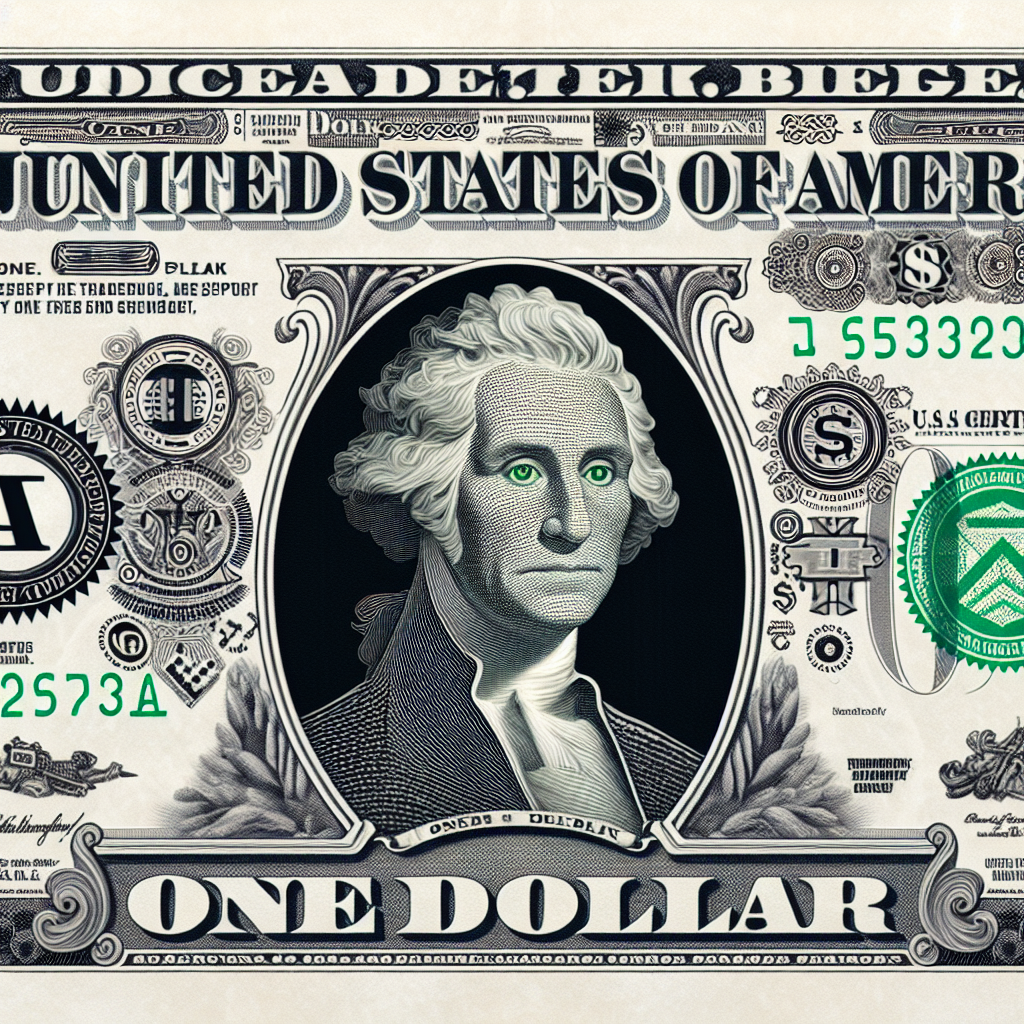
The U.S. dollar maintained near its highest levels in 11 months as investors held their breath ahead of a key deadline concerning the Strait of Hormuz. U.S. demands that Iran open the Gulf passage or face severe repercussions have amplified Middle East tensions, consequently elevating energy prices and boosting the dollar.
Despite the U.S. President Donald Trump's ultimatum, Iran has shown no willingness to comply, keeping global markets on edge. Experts suggest the dollar's upward surge will persist unless there's a breakthrough in negotiations or an extended postponement of current deadlines. Meanwhile, Brent crude futures remain elevated as Iran aims to exert long-term influence over the vital oil chokepoint.
Additionally, investors are zeroing in on forthcoming U.S. economic indicators for insights into the Federal Reserve's future policy moves. Similarly, European Central Bank watchers are anticipating potential rate hikes by year-end as inflation concerns brew. Meanwhile, the yen and commodity currencies like the Australian and New Zealand dollars are reacting to the ongoing geopolitical and economic developments.


 Google News