

IAEA Expands Efforts to Stop Screwworm Spread in Americas
For decades, the New World screwworm had been largely eliminated from North and Central America following a lengthy international eradication campaign that relied heavily on the Sterile Insect Technique.
- Country:
- Austria
The International Atomic Energy Agency (IAEA) and the Food and Agriculture Organization (FAO) are strengthening efforts to contain the growing spread of the New World screwworm, a destructive livestock pest that has re-emerged across parts of Central America, Mexico, and the United States.
The two organizations have launched a new research initiative aimed at helping countries improve surveillance, control, and eradication measures using the Sterile Insect Technique (SIT), a proven nuclear-based method that has successfully eliminated the pest in the past.
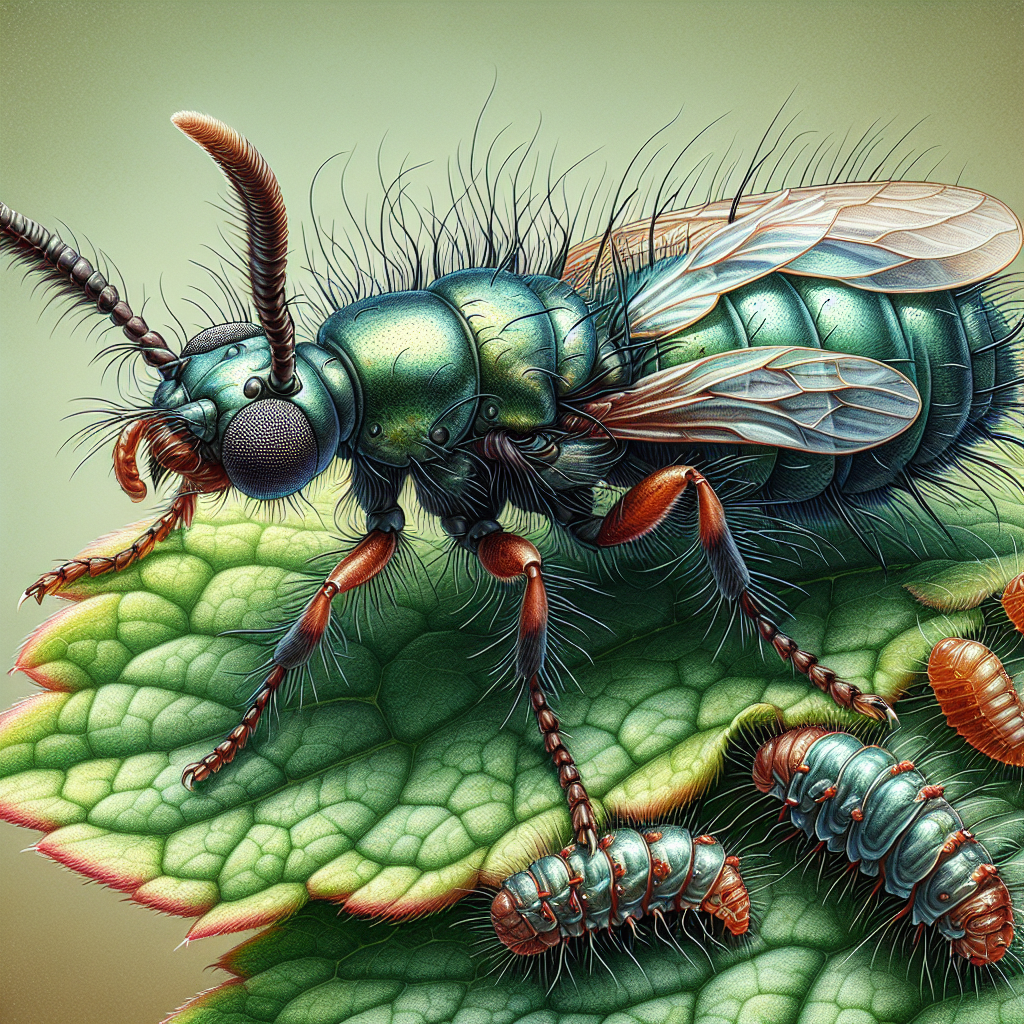
The New World screwworm is a parasitic fly whose larvae feed on the living tissue of warm-blooded animals. Female flies lay eggs in wounds or natural openings on animals, and once the larvae hatch, they burrow into flesh, causing severe infections that can become fatal if left untreated. The pest poses a serious threat to livestock, wildlife, animal welfare, and rural economies that depend heavily on cattle and other farm animals.
Resurgence Raises Alarm Across the Region
For decades, the New World screwworm had been largely eliminated from North and Central America following a lengthy international eradication campaign that relied heavily on the Sterile Insect Technique. The program successfully pushed the pest southward until it was confined to a biological barrier zone in Panama's Darién Gap.
That barrier remained effective for many years, but the pest reappeared north of the containment area in 2022. Since then, cases have spread through parts of Central America and Mexico. Earlier this month, the United States confirmed its first animal infection linked to the screwworm in more than four decades.
Experts believe changing weather conditions, increasing globalization, and illegal cross-border animal movements have contributed to the pest's return and expansion.
The economic risks are significant. Previous eradication efforts were estimated to generate annual benefits of around $1.3 billion for livestock producers across the United States, Mexico, and Central America by preventing animal losses and improving agricultural productivity.
Research Project Aims to Expand Sterile Fly Production
The newly launched five-year project will bring together specialists from more than 20 countries to improve methods for breeding, sterilizing, and releasing screwworm flies. Under the Sterile Insect Technique, insects are sterilized using radiation before being released into the wild. When they mate with wild populations, no offspring are produced, gradually reducing pest numbers.
One of the biggest challenges facing current response efforts is a shortage of sterile flies. Experts estimate that up to 600 million sterile flies may be needed every week to effectively contain the outbreak. At present, the only operational production facility in Panama generates around 100 million sterile flies weekly.
The project will focus on increasing production efficiency, improving quality control, enhancing release methods, and studying insect behavior to maximize effectiveness. Alongside sterile fly releases, countries are continuing to use insecticides, livestock treatments, and monitoring programs to limit the pest's spread.
The initiative received a major boost this month after the United States announced a $1.5 million contribution to support the IAEA's efforts. Officials say international cooperation will be essential to prevent further expansion of the screwworm and protect livestock industries throughout the region.
ALSO READ
-
Nuclear Science Brings Cancer Care, Safer Food and Better Water Data Across Regions
-
From Cancer Care to Nuclear Careers, IAEA Conference Puts Global Progress in Focus
-
Türkiye Uses Nuclear Science to Protect Citrus Harvests and Tackle Fruit Fly Damage
-
IAEA and IDB Join Forces to Expand Nuclear Energy in Latin America and Caribbean
-
IAEA Joins Forces With Six Industry Partners to Close Global Cancer Care Divide


 Google News