

Young Innovators Present New Ideas for Nuclear Fuel Future
The winning entries emerged from the IAEA Innovations in Nuclear Fuel Supply Chain Challenge, which attracted 36 submissions from participants across 20 countries.
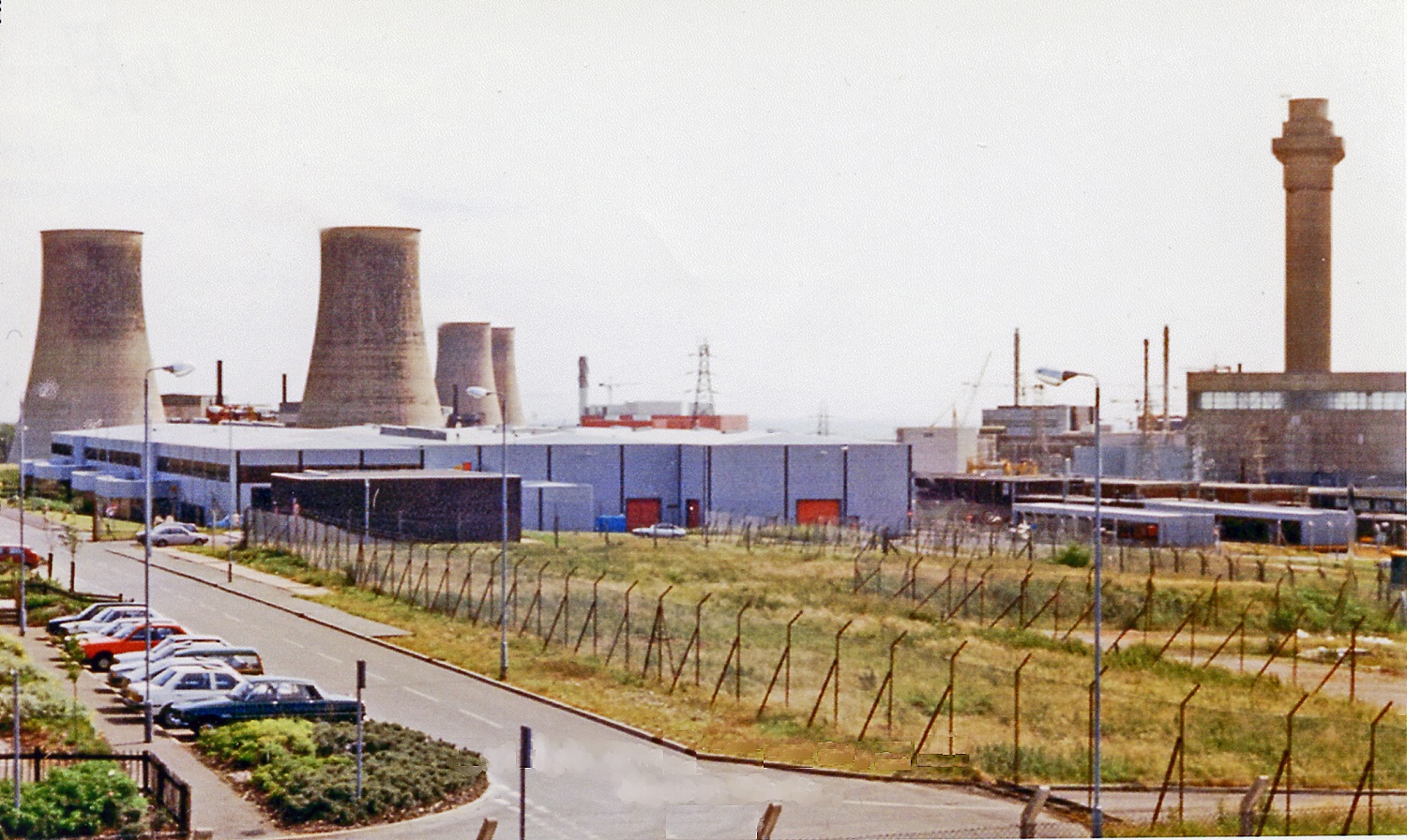
Four innovative projects developed by students and young professionals have been recognized by the International Atomic Energy Agency (IAEA) for their potential to strengthen nuclear fuel supply chains and support the future growth of clean energy.
The winning entries emerged from the IAEA Innovations in Nuclear Fuel Supply Chain Challenge, which attracted 36 submissions from participants across 20 countries. The competition was designed to encourage new ideas that address challenges throughout the nuclear fuel cycle at a time when interest in nuclear energy is growing worldwide.
As countries search for reliable low-carbon energy sources, nuclear power is gaining renewed attention as part of long-term climate and energy strategies. This renewed momentum is increasing focus on ensuring fuel supply chains remain secure, efficient, and adaptable to future demand.
Solutions Range from Advanced Fuels to Market Transparency
The top project came from Indian researchers Aniket Tiwari and Shubhangi Choudhary, whose proposal focuses on accelerating the deployment of small modular reactors (SMRs) using thorium-based starter fuel.
Their concept seeks to overcome one of the industry's major challenges: securing sufficient fissile material to launch advanced reactor systems. By making greater use of existing nuclear infrastructure rather than waiting for entirely new facilities, the proposal offers a practical way to reduce delays and improve deployment flexibility.
Another winning project, developed by Sofya Kuriy of Kazakhstan's NAC Kazatomprom, proposes the creation of a Uranium Producing Countries Forum. The initiative aims to improve transparency, information sharing, and cooperation among participants in the rapidly evolving uranium market.
Kuriy's proposal responds to changing industry dynamics, where new investors and stakeholders are becoming increasingly involved in nuclear fuel supply chains alongside traditional producers and utilities.
Recycling and Data Analysis Shape Future Fuel Strategies
Two additional winning projects focused on improving the long-term sustainability of nuclear fuel use.
Bradley Gladden from the University of Texas at Austin proposed using thermal molten salt reactors to recycle spent nuclear fuel. The approach could help reduce nuclear waste while extracting additional value from existing uranium resources. Supporters believe such technologies could improve resource efficiency and strengthen public confidence in nuclear energy.
Meanwhile, Bangladesh's Sangida Akter explored how probabilistic modelling can assist policymakers in evaluating different spent fuel recycling strategies. Her research focuses on helping decision-makers navigate uncertainty through data-driven analysis, allowing governments to make more informed choices about the future of nuclear energy.
The IAEA says these projects demonstrate how innovation can emerge from multiple areas of the fuel cycle, including reactor design, market coordination, recycling technologies, and strategic planning. The competition forms part of preparations for the International Conference on Fuel Supply Chain for Sustainable Nuclear Power Development, scheduled to take place in Vienna in October 2026.
IAEA officials say the challenge reflects the importance of supporting the next generation of nuclear experts. They believe young researchers and professionals are already bringing valuable perspectives and practical solutions to some of the industry's most pressing challenges, helping shape a more resilient and sustainable future for nuclear energy.
ALSO READ
-
Türkiye Uses Nuclear Science to Protect Citrus Harvests and Tackle Fruit Fly Damage
-
IAEA and IDB Join Forces to Expand Nuclear Energy in Latin America and Caribbean
-
IAEA Joins Forces With Six Industry Partners to Close Global Cancer Care Divide
-
IAEA’s Rays of Hope Raises Over €100 Million to Bring Cancer Care Within Reach
-
IAEA Visitor Centre Turns Nuclear Curiosity Into Career Dreams for Young Visitors


 Google News