

New Research Projects Back Fight Against Yellow-Legged Hornet
The key project will use advanced modelling techniques to identify areas in Auckland that may still be at risk of harbouring yellow-legged hornets.
- Country:
- New Zealand
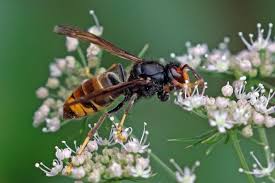
New Zealand is stepping up efforts to eliminate the invasive yellow-legged hornet, with four new research projects launched to support the ongoing eradication programme led by Biosecurity New Zealand.
Science Minister Penny Simmonds and Biosecurity Minister Andrew Hoggard announced the projects, which are being carried out by scientists from the Bioeconomy Science Institute Maiangi Taiao, a Public Research Organisation established by the Government in 2025. The research is designed to strengthen surveillance, improve preparedness and help authorities understand the potential risks posed by the invasive species if it spreads beyond its current range.
Scientists Use Data to Guide Surveillance Efforts
The key project will use advanced modelling techniques to identify areas in Auckland that may still be at risk of harbouring yellow-legged hornets. The work will draw on a large volume of public reports submitted since the response began. Around 17,850 notifications have been received from members of the public, providing valuable information that researchers can use to improve predictions about where hornets may still be present.
Science Minister Penny Simmonds said the project highlights the important role New Zealanders continue to play in the eradication effort. Public reporting has provided researchers and response teams with a significant source of information that can help direct surveillance and field operations more effectively. The modelling will support teams carrying out on-the-ground searches and trapping activities as authorities work to ensure no hornet populations remain.
Progress Made, But Search Continues
Since yellow-legged hornets were first discovered on Auckland's North Shore last year, response teams have removed 77 queens and 132 nests. Biosecurity Minister Andrew Hoggard said there have been no confirmed sightings since early April, a sign that eradication efforts are producing positive results.
Despite that progress, authorities are not yet ready to declare success. Intensive surveillance and trapping remain underway because some queens may have survived and could establish new colonies. Hoggard said even if no hornets are detected during the upcoming spring season, further monitoring will still be required before eradication can be officially confirmed. Continued public vigilance remains an important part of the response.
Research Supports Long-Term Preparedness
Alongside surveillance work, scientists are examining the possible impact of yellow-legged hornets in non-urban parts of New Zealand, where they could pose risks to native ecosystems, honey production and pollination services. Another project will focus on targeted science communication to help Māori communities better understand the threat posed by the species and support local awareness efforts.
Researchers are also developing a readiness package for the honey and pollination sectors. The guide will draw on international experiences from countries where yellow-legged hornets are already established, alongside lessons learned from New Zealand's response. Hoggard said reviewing overseas management approaches is a practical step that can help prepare beekeepers and pollination industries should long-term management ever become necessary.
The four projects are funded through the Bioeconomy Science Institute's Strategic Science Investment Fund, supported by the Ministry of Business, Innovation and Employment. Together, the initiatives are expected to strengthen New Zealand's ability to detect, manage and ultimately eradicate one of the world's most concerning invasive hornet species.


 Google News