

IAEA Launches Global Tool Tracking Spent Nuclear Fuel
According to the IAEA, the world's nuclear reactors have produced approximately 448,000 tonnes of heavy metal in spent nuclear fuel.
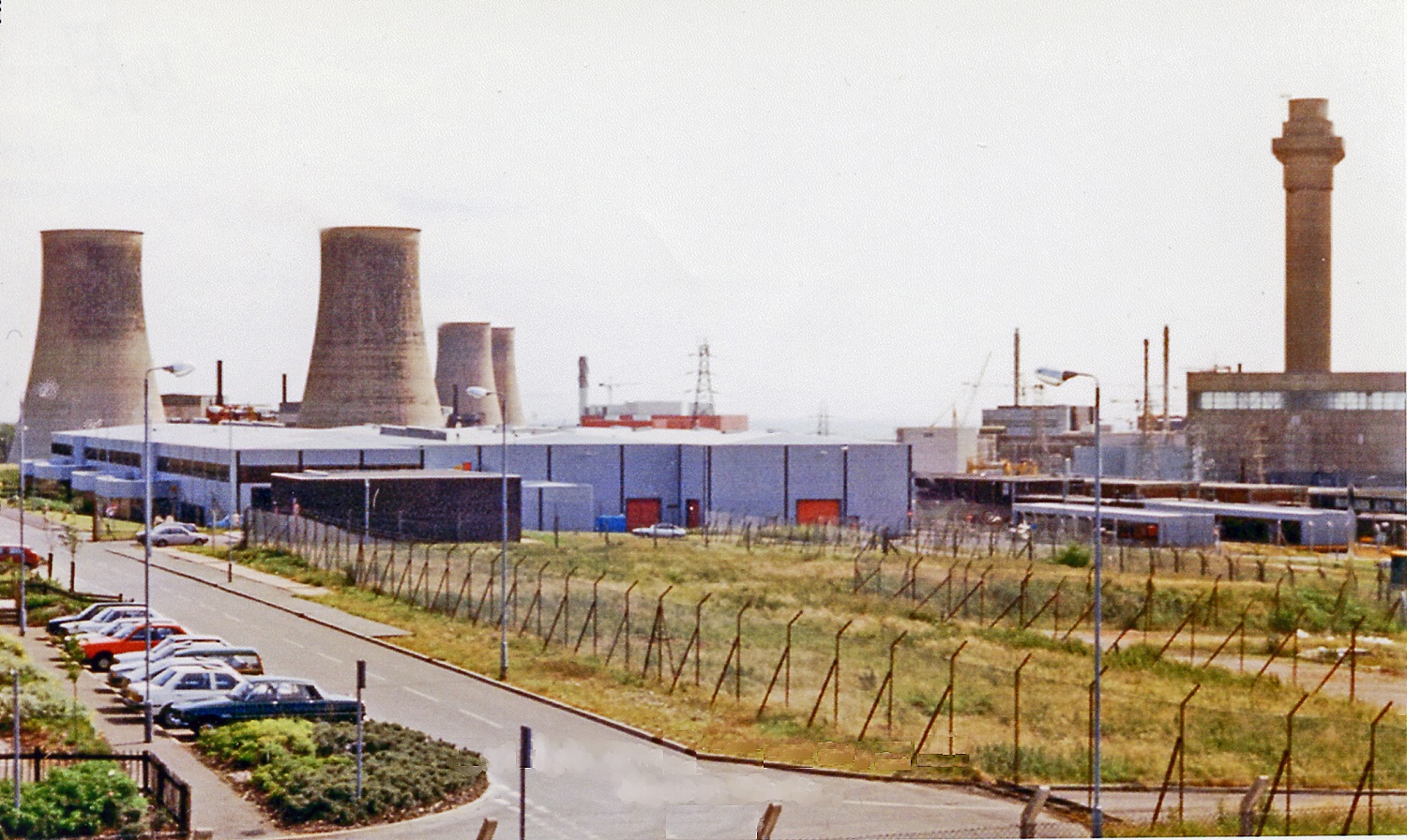
The International Atomic Energy Agency (IAEA) has unveiled the world's first publicly accessible interactive tool that provides a detailed picture of how much spent nuclear fuel has been generated by nuclear power reactors and where it is currently stored.
The new Global Spent Nuclear Fuel (SNF) Inventory Tool offers governments, researchers, industry experts and the public a clearer understanding of global spent fuel management. Built using information submitted by countries under international reporting obligations, the platform replaces decades of fragmented estimates with a single, comparable source of data.
The tool expands on the IAEA's first global spent fuel inventory, published in 2019, by introducing interactive features that allow users to explore data at global, regional and national levels.
Global Inventory Reaches 448,000 Tonnes
According to the IAEA, the world's nuclear reactors have produced approximately 448,000 tonnes of heavy metal in spent nuclear fuel.
Of that total, around 322,000 tonnes, nearly three-quarters of the inventory, remains in storage. The remaining 126,000 tonnes have undergone reprocessing, a process that recovers usable materials for the production of new nuclear fuel while reducing the amount of high-level radioactive waste requiring final disposal.
The data highlights the scale of the challenge facing countries as they plan for the long-term management of spent fuel generated by nuclear power programmes. Several nations are moving forward with deep geological repositories designed to provide permanent disposal solutions. Finland is currently preparing to begin operations at what is expected to become the world's first deep geological repository for spent nuclear fuel.
Shift Toward Dry Storage Continues
The tool shows that 41 per cent of the global spent fuel inventory remains in wet storage systems, primarily cooling pools located at nuclear power plants and centralized storage facilities. Another 31 per cent is stored in dry storage systems, which use specially designed casks, storage buildings and modular facilities to safely contain spent fuel under dry conditions.
The data reflects a long-term trend toward transferring older spent fuel from cooling pools into dry storage facilities once sufficient cooling has taken place. Among dry storage technologies, ventilated vertical storage units account for the largest share, holding more than 50,000 tonnes of spent fuel. Concrete casks, metallic casks, horizontal storage systems and dedicated storage buildings are also widely used.
The diversity of storage technologies illustrates how countries have developed different approaches based on national policies, regulatory frameworks and operational requirements.
Supporting Transparency and Long-Term Planning
The Global SNF Inventory Tool is based primarily on information provided by countries participating in the Joint Convention on the Safety of Spent Fuel Management and on the Safety of Radioactive Waste Management, the main international legal framework governing these issues. The convention operates through a peer-review system in which participating countries regularly submit national reports on their spent fuel and radioactive waste management practices.
Amparo Gonzalez Espartero, Technical Lead in the IAEA Division of Nuclear Fuel Cycle and Waste Technology, said the platform provides a transparent and accessible way to examine global spent fuel inventories and management strategies. She noted that presenting information in a structured format supports technical analysis and encourages informed discussions on long-term solutions for spent fuel management.
By bringing together data from across the world in a single platform, the new tool offers a clearer view of how countries are managing one of the most important challenges associated with nuclear energy while supporting greater transparency and international cooperation in nuclear safety.
ALSO READ
-
Burkina Faso develops eight new rice varieties using nuclear science to boost harvests
-
World Food Day puts nuclear science in focus for healthier farms and safer food supplies
-
Six Nations Explore Nuclear Energy’s Future at IAEA Planning School in Kazakhstan
-
Africa Builds New Nutrition Science Force as First 18 Nuclear-Tech Graduates Emerge
-
How Viet Nam Uses Isotope Hydrology to Protect Water and Share Expertise Across Asia


 Google News