

Space Congestion: The Race to Manage Low Earth Orbit
The rising number of satellites and space debris is threatening low Earth orbit's usability. Experts urge global cooperation, data sharing, and regulatory frameworks to manage the congestion. Without collective action, the risk of costly collisions increases, endangering crucial technology and amplifying geopolitical tensions.
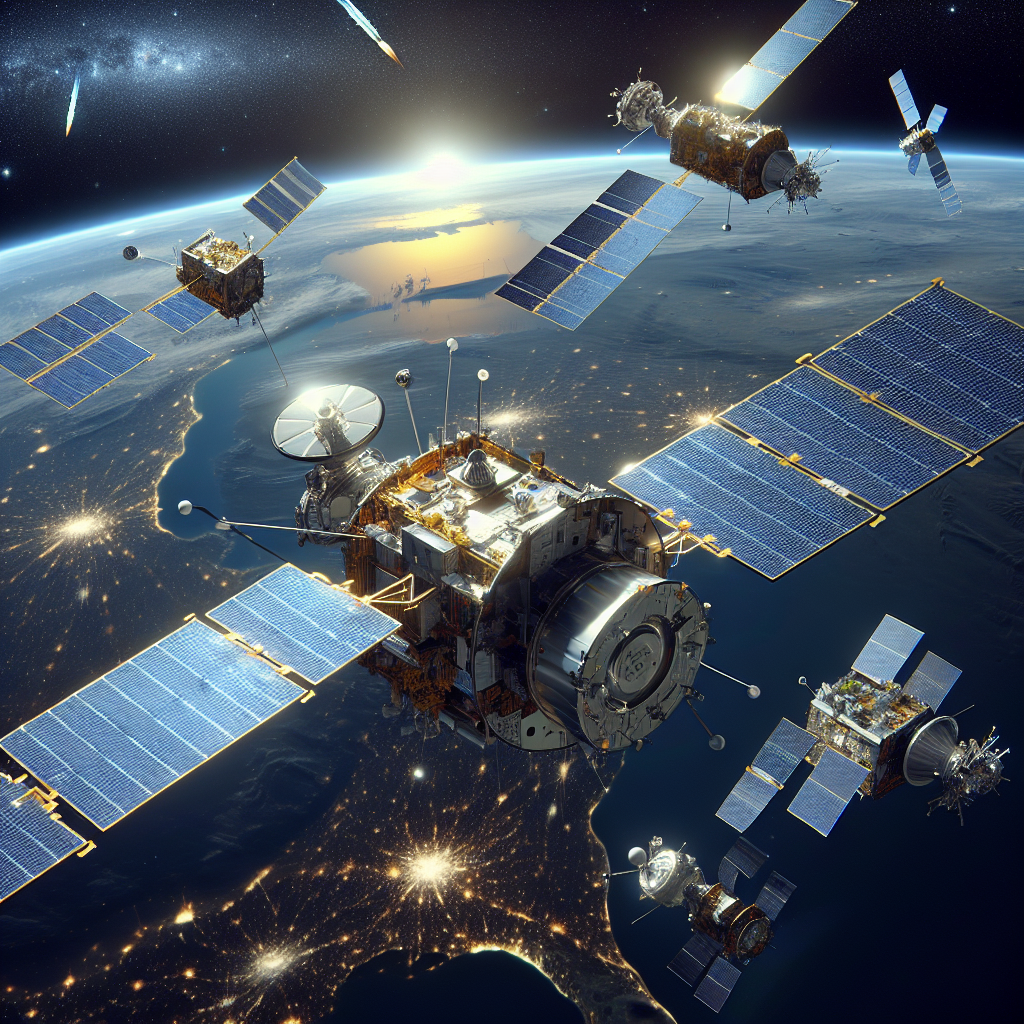
The escalating number of satellites and increasing space debris is jeopardizing the viability of low Earth orbit. Authorities are calling for an urgent global response, advocating for a shared database and international rules to efficiently track and manage these orbital objects.
A United Nations panel has recommended quick action, noting that without collective coordination, the orbit could become excessively hazardous. Low Earth orbit currently sees over 14,000 satellites, alongside roughly 120 million pieces of debris, making cooperation vital to prevent disruptions to global communications, navigation, and exploration.
Despite the urgency, challenges such as geopolitical tensions, concerns over data privacy, and commercial interests hinder the creation of a unified tracking system. As new satellites continue to be launched, experts stress the critical need for regulatory frameworks to avoid collisions and maintain space safety.


 Google News