

AI boosts sustainability in vineyards, production, and enotourism
Enotourism, an increasingly important sector for winemakers, blends cultural heritage with economic opportunity. The study underscores that most Polish vineyards offer tourist experiences, including tastings, tours, and cultural events, contributing significantly to local development and brand visibility. However, as tourism grows, there is a risk of losing the intimate, cultural character of wine regions.
 COE-EDP
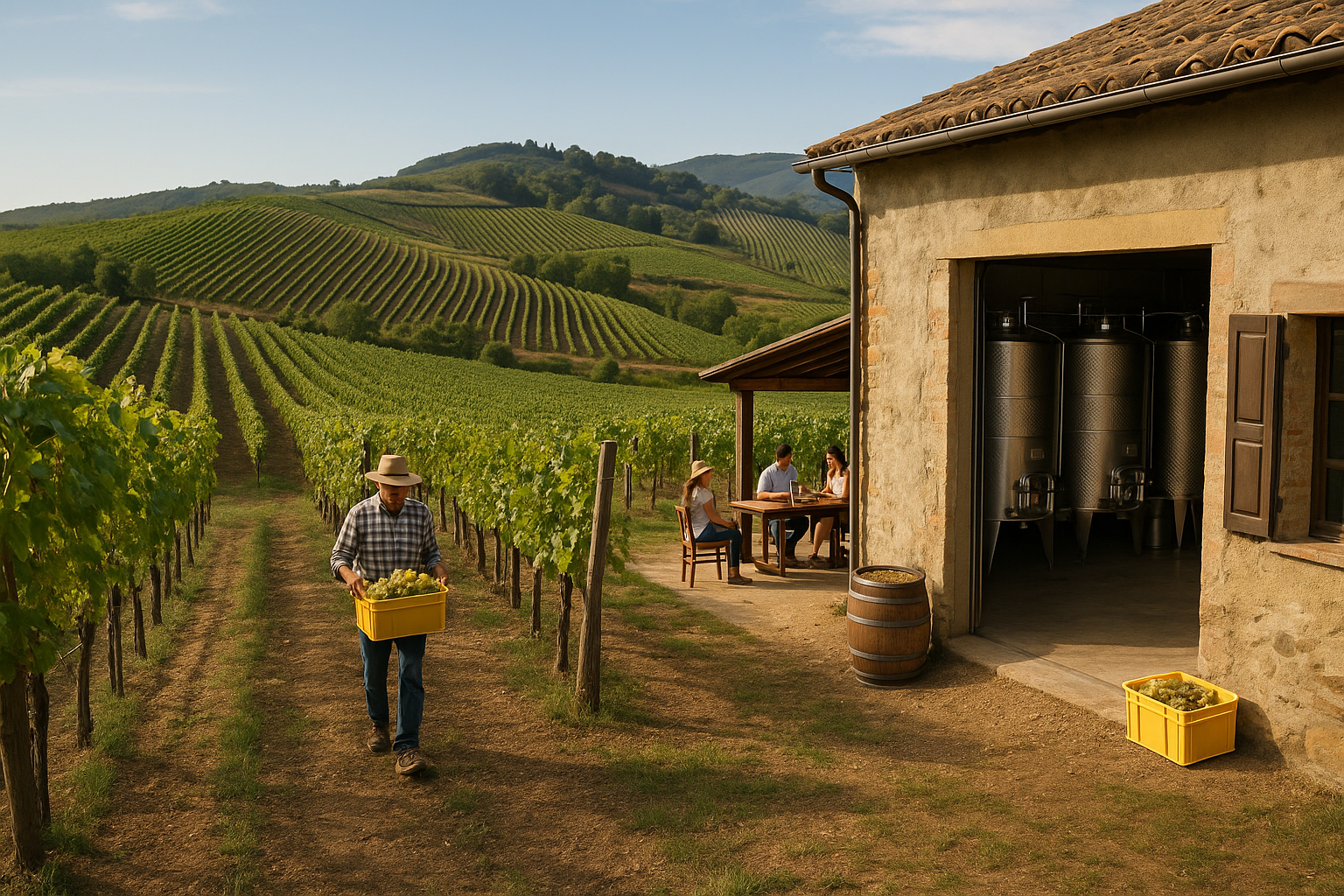
Artificial intelligence (AI) is reshaping the future of winemaking, offering solutions that balance environmental stewardship, economic growth, and cultural preservation. A new study outlines how AI tools can transform viticulture, wine production, and enotourism.
The research paper titled "Artificial Intelligence for Sustainable Wine Industry: AI-Driven Management in Viticulture, Wine Production and Enotourism" highlights the untapped potential of technology to drive sustainability across the wine sector. By combining technology with tradition, the wine industry can protect its heritage, strengthen local economies, and meet the environmental challenges of the future.
How can AI address environmental challenges in viticulture?
The study brings into light significant opportunities for AI to minimize environmental impacts in vineyards. Traditionally, viticulture relies heavily on pesticides, fertilizers, and extensive irrigation, all of which carry ecological costs. AI tools, such as drone-based monitoring, multispectral imaging, and predictive yield analysis, offer precise data to reduce chemical usage, detect plant diseases early, and optimize irrigation schedules. These systems not only conserve resources but also maintain biodiversity, a critical factor in sustainable agriculture.
Polish vineyards, often small-scale and located in regions sensitive to climate shifts, are particularly well-suited to adopt such technologies. The study shows that environmentally conscious practices, including the use of organic fertilizers, renewable energy, and waste management strategies, are already being implemented by many winemakers. AI amplifies these efforts by introducing intelligent irrigation, weather prediction models, and biodiversity monitoring, helping vineyards adapt to climate change while reducing their carbon footprint.
This environmental dimension is critical as the wine industry worldwide faces mounting pressure to cut emissions and embrace eco-friendly methods. The integration of AI not only enhances environmental outcomes but also ensures long-term resilience against unpredictable weather patterns and resource scarcity.
What role does AI play in boosting economic sustainability?
The economic sustainability of the wine industry, particularly in emerging regions like Poland, hinges on efficient operations and local economic support. According to the study, many vineyards already contribute positively to local economies by employing residents, purchasing from local suppliers, and promoting regional products. AI strengthens these contributions through tools that optimize supply chains, enhance workforce planning, and improve business networking.
For example, AI-driven procurement systems can connect wineries with local suppliers, reducing costs while supporting nearby businesses. Predictive analytics aids in workforce management, ensuring optimal staffing without unnecessary expenses. Additionally, AI-enhanced marketing tools analyze consumer trends, enabling wineries to tailor their offerings and improve competitiveness in both domestic and international markets.
The research also points to AI's role in waste reduction during production. Intelligent monitoring systems identify inefficiencies, while automation reduces energy consumption and lowers operational costs. Together, these applications create a pathway where economic growth aligns with sustainable practices, ensuring the industry thrives without compromising ethical or environmental standards.
How can AI transform enotourism and cultural preservation?
Enotourism, an increasingly important sector for winemakers, blends cultural heritage with economic opportunity. The study underscores that most Polish vineyards offer tourist experiences, including tastings, tours, and cultural events, contributing significantly to local development and brand visibility. However, as tourism grows, there is a risk of losing the intimate, cultural character of wine regions.
AI offers innovative solutions to manage this growth sustainably. Chatbots acting as virtual sommeliers provide personalized recommendations to tourists, while machine learning algorithms tailor experiences based on visitor preferences. Virtual and augmented reality tools enable immersive wine-tasting simulations, attracting tourists while minimizing environmental strain. These technologies enhance the visitor experience without overwhelming local communities.
Furthermore, AI supports cultural engagement by promoting local traditions and products through data-driven marketing and event planning. Automated sentiment analysis tracks visitor feedback, enabling wineries to adapt offerings in real time. This ensures that enotourism remains a meaningful and authentic experience while driving economic and social benefits for local areas.
The study also points out the importance of maintaining strong community relations. Many winemakers in Poland actively collaborate with residents and local organizations, organizing cultural events and supporting social initiatives. AI-driven community engagement platforms can enhance these interactions, fostering mutual growth and strengthening local identity.
Future research, the study suggests, should focus on developing AI tools tailored to local conditions, ensuring accessibility for small and medium-sized vineyards. Long-term studies will be crucial to understanding how AI impacts biodiversity, resource use, and cultural landscapes over time.
- FIRST PUBLISHED IN:
- Devdiscourse


 Google News