

Mexico's Tariff Surge: A Strategic Move Amid U.S.-China Tensions
Mexico plans to raise tariffs on Chinese and other Asian automobiles to 50% in a strategic overhaul aimed at protecting local jobs and aligning with U.S. interests. The move impacts $52 billion worth of imports across multiple sectors, including textiles and steel, and requires congressional approval.
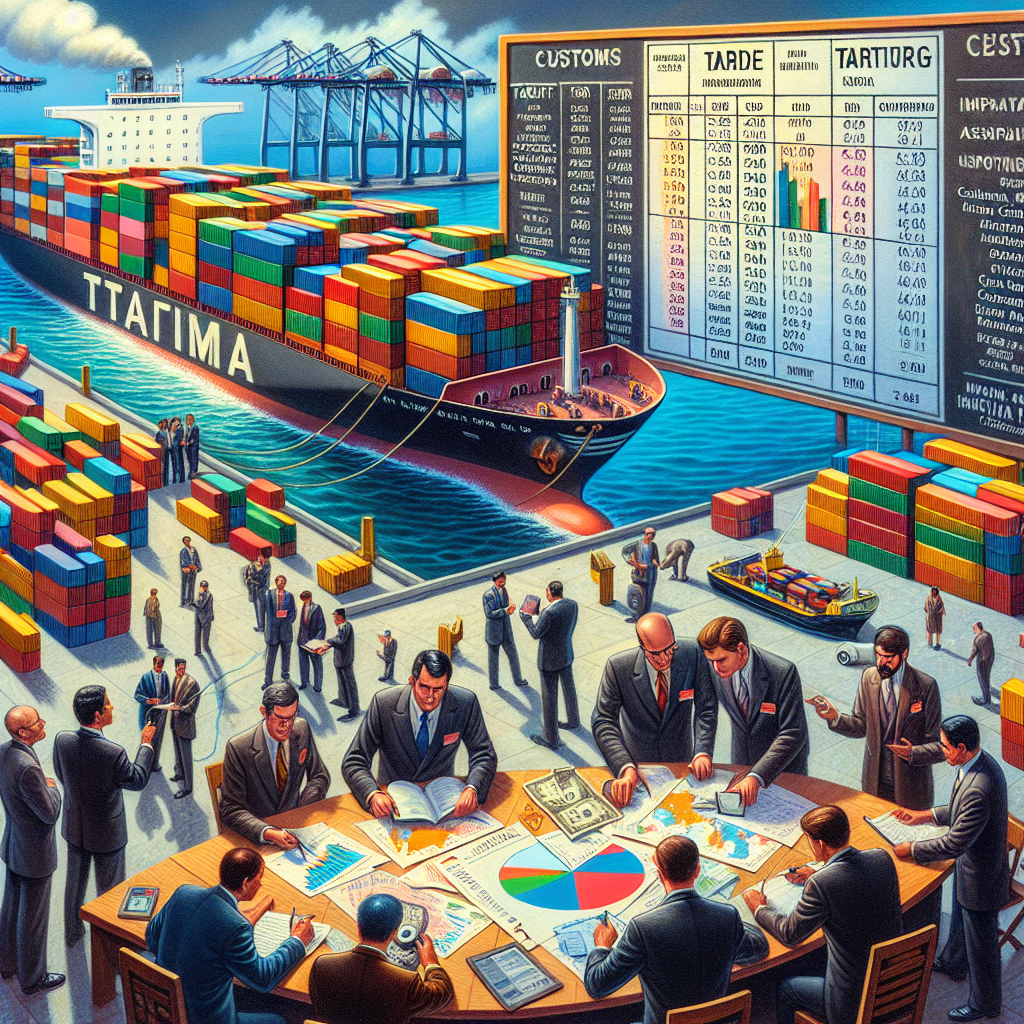
In a bold strategic shift, Mexico announced it would hike tariffs on automobiles from China and other Asian nations to 50%, a move designed to protect domestic jobs and soothe U.S. concerns. The Economy Ministry's decision affects $52 billion worth of imports across sectors like textiles, steel, and automotive.
Economy Minister Marcelo Ebrard highlighted that the measure is within WTO limits and necessary amid Chinese cars entering the market at low reference prices. The plan, still needing congressional approval, targets nations without trade deals with Mexico, significantly affecting China, South Korea, and other Asian countries.
As the U.S. encourages Latin American nations to limit China's influence, Mexico's decision reflects a balancing act – maintaining U.S. relations while safeguarding its industrial policy. Analysts suggest the tariff hike will generate revenue and strengthen Mexico's position in negotiations with the U.S.
ALSO READ
-
Oaxaca Children Become Heritage Guardians Through Play, Exploration and Local Stories
-
EU Firms Rethink Supply Chains as Geopolitical Risks Reshape Global Trade
-
China's August Disasters Yield $5.38 Billion in Losses
-
Trade War Chessboard: Agriculture, Energy, and Rare Earths in Focus
-
Screwworm Resurgence Threatens U.S.-Mexico Livestock Trade


 Google News