

UN Expert Calls for Global Regulation to Protect Privacy in Neurotechnology Era
Neurotechnologies encompass a wide range of innovations, including brain-computer interfaces (BCIs), neural implants, EEG-based monitoring systems, and neuroprosthetics.
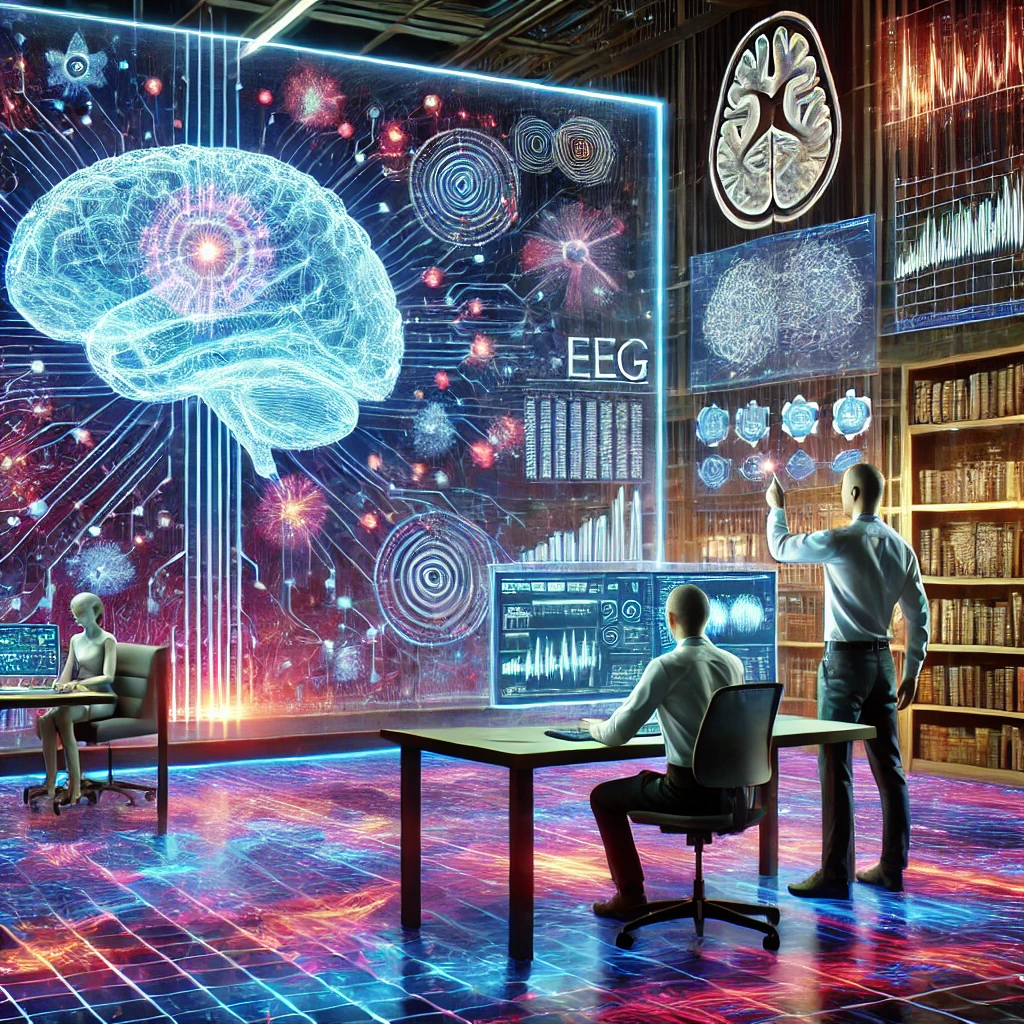
The rapid evolution of brain-interfacing technologies—once the domain of science fiction—has now prompted urgent calls for global regulation to protect human rights and mental privacy, according to a new United Nations report. Ana Brian Nougrères, the UN Special Rapporteur on the right to privacy, has urged the international community to take immediate steps to develop a comprehensive legal and ethical framework for neurotechnologies before their widespread use begins to outpace human rights protections.
Presenting her report to the UN General Assembly, Brian Nougrères highlighted both the promise and peril of the neurotechnology revolution. From devices that can restore mobility and treat neurological disorders to applications that can monitor, predict, or even influence human thought, these emerging tools are transforming society—and raising profound ethical and legal questions about the boundaries of privacy, consent, and human autonomy.
"Rapid development of neurotechnology poses challenges to physical and mental integrity and the safeguarding of human rights," she said. "The international community needs to develop a set of recommended guidelines for applying the existing human rights framework to the conception, design, development, testing, use, and deployment of neurotechnologies."
The Rise of Neurotechnology: Promise and Peril
Neurotechnologies encompass a wide range of innovations, including brain-computer interfaces (BCIs), neural implants, EEG-based monitoring systems, and neuroprosthetics. These technologies hold remarkable potential to improve lives—helping people with paralysis to communicate, advancing treatments for depression, and enabling scientific breakthroughs in cognitive research.
However, their power to access, manipulate, or record brain activity also creates unprecedented risks. Without proper regulation, neurodata—information derived directly from brain activity—could be misused by corporations, governments, or malicious actors to invade mental privacy, predict behaviour, or discriminate based on cognitive or emotional patterns.
Brian Nougrères cautioned that the implications extend far beyond individual privacy. "The human brain is the ultimate frontier of autonomy," she said. "Protecting neurodata is not just about data security—it is about safeguarding what makes us human."
A Call for a Global Model Law
The Special Rapporteur's report calls for the creation of a model law on neurotechnologies and neurodata processing, grounded in the right to privacy and built upon existing international human rights norms. Such a framework would serve as a reference point for national legislation, ensuring consistency and accountability across borders.
Key pillars of this model law, according to the report, should include:
-
Informed consent: Individuals must fully understand what neurodata is being collected, how it will be used, and by whom.
-
Ethics in design: Developers must integrate human rights principles at every stage of technological innovation.
-
Non-discrimination: Safeguards must prevent bias or exploitation based on neural patterns, mental health, or cognitive profiles.
-
The precautionary principle: Regulators should act to prevent harm even when scientific uncertainty exists.
-
Transparency and accountability: Companies and research institutions must be held responsible for how neurodata is processed and protected.
Neurodata: The Most Sensitive Personal Information
Brian Nougrères warned that neurodata represents one of the most intimate forms of personal information ever collected. It can reveal thoughts, emotions, preferences, and intentions—data that, if mishandled, could expose individuals to unprecedented manipulation or surveillance.
"To ensure the proper treatment of neurodata, we must urgently establish ethical guidelines and robust oversight mechanisms," she said. "Without them, we risk misuse that could compromise privacy or lead to discrimination."
The report draws attention to growing concerns about commercial and governmental uses of neurotechnologies, including applications in marketing, employment screening, and law enforcement. In such contexts, the temptation to use brain data to predict or influence decision-making could threaten personal freedoms and undermine democratic societies.
Building Ethical Awareness and Digital Literacy
Beyond legal frameworks, Brian Nougrères underscored the need for public education and awareness about the risks associated with neurotechnologies. As brain-monitoring devices become more accessible—through consumer wearables and medical applications—individuals must be equipped to make informed decisions about how their data is collected and shared.
"We need greater awareness and education on the risks associated with neurotechnologies," she said. "People should understand their impact, make informed decisions about their neurodata, and demand respect for their rights in this new technological era."
Toward a Human-Centered Technological Future
This latest report builds upon the expert's earlier findings presented at the 58th session of the Human Rights Council in March 2025, where she first outlined the foundational principles for regulating neurotechnologies. Together, these reports represent one of the UN's most comprehensive efforts to address "neuro-rights"—the idea that mental privacy, identity, and agency must be explicitly protected in the digital age.
The growing momentum for global action reflects a consensus that neurotechnology regulation cannot wait. As advances in artificial intelligence and neuroscience converge, the capacity to read or alter neural signals is becoming ever more powerful. Without strong oversight, the line between enhancement and exploitation could quickly blur.
"A robust national legal framework that guarantees the right to privacy—including the principles of informed consent, ethics in design, the precautionary principle, and non-discrimination—is crucial to balance innovation with human dignity," the Special Rapporteur concluded.
As the world enters the era of brain-linked technologies, Brian Nougrères's message is clear: human rights must evolve alongside science. The mind, she emphasized, must remain the most private sanctuary of all.
ALSO READ
-
Lebanon Under Fire: UN Experts Warn Over Death, Displacement and Destruction
-
Myanmar’s Conflict Economy Deepens Rohingya and Minority Suffering
-
TikTok Settles $400-Million Case: Protecting Children's Online Privacy
-
TikTok's $400 Million Privacy Settlement
-
India Cracks Down on Firebase Fraudulent Accounts


 Google News