

Currency Tensions Rise Amid U.S.-China Tariff Showdown
The U.S. dollar remained stable as new tariffs on Chinese imports were imposed by the Trump administration. The currency market experienced heightened volatility, with Beijing responding with its own tariffs. Economists predict continued sensitivity to tariff-related developments and potential impacts on inflation and interest rates.
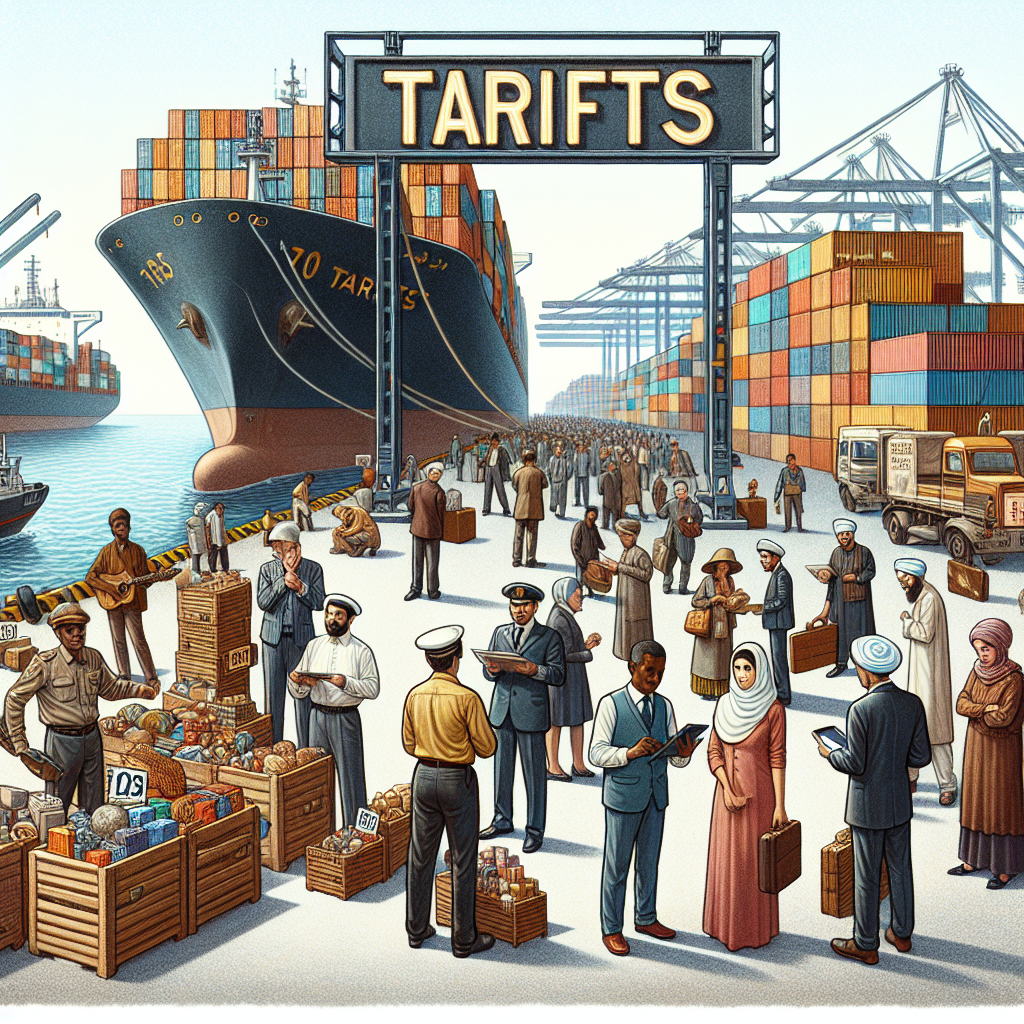
The U.S. dollar held steady on Tuesday amid the Trump administration's latest tariffs on Chinese goods. Currency markets anticipated heightened sensitivity and volatility following the announcement of a 10% tariff jump effective from 12:01 a.m. ET, aligning with earlier threats from the U.S. president.
Despite threats of European tariffs possibly pushing up inflation, the U.S. dollar index maintained a level of 108.5, with weakness seen in the Canadian dollar and Mexican peso. Currency analysts noted potential ongoing negotiations, fueled by President Trump's tariff strategies, intended to finance tax cuts via collected revenues.
In response, China imposed its own tariffs, yet the measures were seen as tentative, hinting at a readiness for continued negotiations. The Chinese yuan and Australian dollar exhibited losses, aligning with a global market awaiting resolution between the U.S. and China, as well as future impacts on the European economy.
ALSO READ
-
EU Firms Rethink Supply Chains as Geopolitical Risks Reshape Global Trade
-
Trade War Chessboard: Agriculture, Energy, and Rare Earths in Focus
-
US Approves Potential Sale of F-35 Jets to Saudi Arabia, Shifting Middle Eastern Power Dynamics
-
Trump and Xi Set for High-Stakes Summit: Trade, Taiwan, and Technology in Focus
-
US Eyes Controversial F-35 Deal to Bolster Saudi Defense


 Google News