

IFC Commits Up to $50M Investment in Lagos Free Zone to Boost Nigeria’s Economic Diversification and Infrastructure Development
The IFC’s funding will support the first phase of the 860-hectare Lagos Free Zone, focusing on key areas such as land development, industrial facilities, and logistics infrastructure.
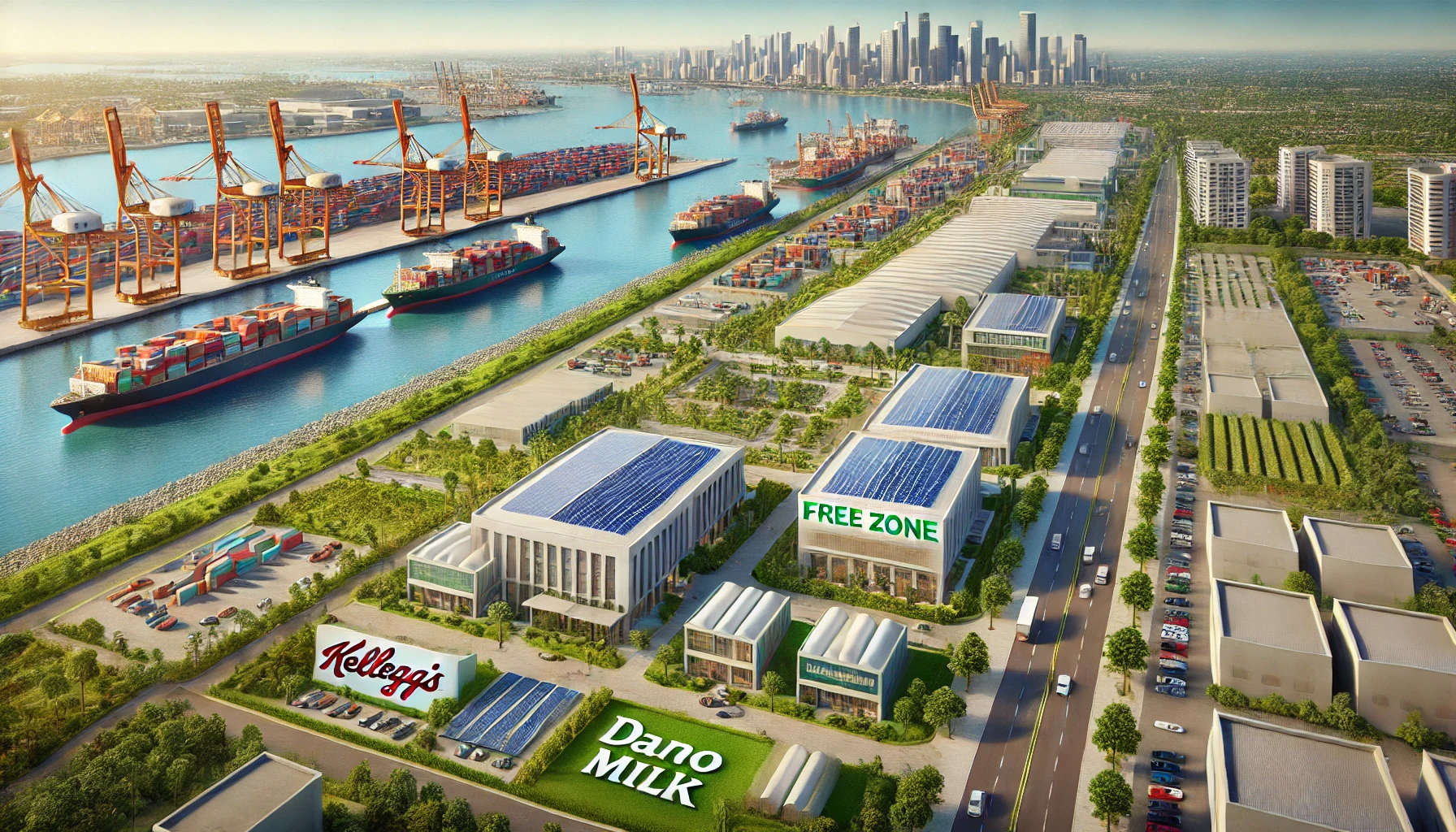
The International Finance Corporation (IFC) has announced an equity investment of up to $50 million in the Lagos Free Zone Company (LFZC), marking a significant step in the development of Nigeria's first deep-sea port-based, private special economic zone—the Lagos Free Zone. This strategic investment is aimed at addressing critical infrastructure gaps, attracting both local and global businesses, and supporting Nigeria's broader economic diversification agenda.
Transformative Infrastructure and Economic Impact
The IFC's funding will support the first phase of the 860-hectare Lagos Free Zone, focusing on key areas such as land development, industrial facilities, and logistics infrastructure. Owned by Singapore-based Tolaram, a diversified multinational group with operations across Africa, Asia, and Europe, the Lagos Free Zone is strategically integrated with the Lekki Deep Sea Port. This integration is designed to create an efficient industrial ecosystem, optimizing import and export operations and serving as a critical gateway for Nigeria's integration into global value chains.
With Nigeria's economy projected to grow by 3.7% by 2026, investments in robust infrastructure are vital for sustainable economic growth. Upon full completion and occupancy, the Lagos Free Zone is expected to generate approximately 30,000 direct, indirect, and induced jobs, significantly contributing to Nigeria's GDP and industrial capacity.
Commitment to Sustainable and Inclusive Growth
Dahlia Khalifa, IFC Regional Director for Central Africa and Anglophone West Africa, emphasized the importance of this investment: "This investment reflects IFC's commitment to fostering inclusive economic growth and sustainable development in Nigeria. Lagos Free Zone is poised to become a transformative hub for industrial activity, driving job creation and enhancing Nigeria's competitiveness in global markets. We are proud to partner with Lagos Free Zone in building the infrastructure necessary to attract global and local businesses, enabling Nigeria to achieve its full economic potential."
In line with IFC's commitment to sustainable development, approximately 15% of the investment is earmarked for climate-related initiatives. This includes the development of Excellence in Design for Greater Efficiencies (EDGE)-certified buildings and climate-resilient infrastructure, underscoring the project's focus on green infrastructure.
Driving Economic Diversification and Business Growth
Adesuwa Ladoja, MD/CEO of Lagos Free Zone Company, highlighted the strategic importance of the IFC partnership: "IFC's support represents a significant and positive recognition of our vision to establish Lagos Free Zone as a world-class industrial hub. This investment allows us to scale up the existing infrastructure to attract more foreign and local tenants while promoting sustainability and creating economic opportunities for Nigeria. Lagos Free Zone, integrated with Lekki Deep Sea Port, facilitates ease of doing business in Nigeria and supports the Federal Government of Nigeria's drive for economic diversification and infrastructure development. We look forward to driving growth and delivering lasting impact through this transformative collaboration with the IFC."
Currently, Lagos Free Zone hosts several renowned manufacturing brands, including Kellogg's, Dano Milk, Colgate, BASF, ADM, and Tata International, showcasing its potential as a magnet for both local and international businesses.
Alignment with Nigeria's Economic Reforms and Global Frameworks
This investment aligns with Nigeria's ongoing economic reforms and the IFC's strategic frameworks, such as the World Bank Group's Nigeria Country Partnership Framework (2021–2025) and its 2015 Climate Action Plan. Both frameworks prioritize economic diversification, the development of competitive industrial clusters, and investments in climate-resilient infrastructure.
By addressing infrastructure bottlenecks and enhancing connectivity, IFC's investment in Lagos Free Zone is poised to unlock new opportunities for businesses and strengthen Nigeria's position as a regional economic leader, contributing to long-term, sustainable growth.


 Google News