

SARS Collects Revenue Targets with R2.3 Trillion, Praised as Key to SA's Economic Future
Of the gross revenue collected, SARS disbursed a substantial R447.7 billion in tax refunds across various sectors, resulting in a net revenue of R1.8551 trillion.
- Country:
- South Africa
The South African Revenue Service (SARS) has reported a historic revenue performance, collecting a preliminary gross revenue of R2.3 trillion for the financial year ending March 31, 2025. This represents a year-on-year increase of 6.9%, a figure hailed as a significant achievement amidst ongoing economic pressures and a challenging fiscal landscape.
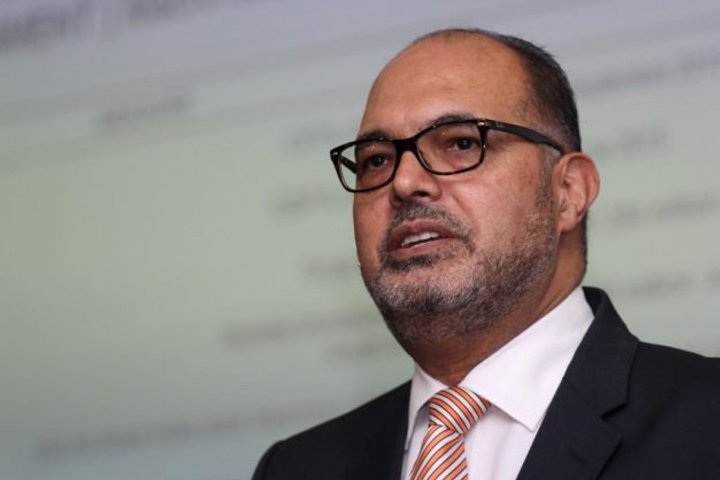
SARS Commissioner Edward Kieswetter announced the results during a media briefing held on Tuesday, highlighting the agency's ongoing efforts to enhance efficiency, promote voluntary compliance, and build institutional resilience.
Strong Net Revenue and Refunds Performance
Of the gross revenue collected, SARS disbursed a substantial R447.7 billion in tax refunds across various sectors, resulting in a net revenue of R1.8551 trillion. This net figure represents a R114 billion increase compared to the previous financial year—equating to a growth rate of 6.6%. Most notably, the net revenue outcome exceeded the revised National Treasury estimate by R8.8 billion.
"In the current environment, this is a very credible outcome delivered by SARS," said Kieswetter. "It reflects the robustness of our systems, the commitment of our people, and the increasing willingness of taxpayers to comply."
People-Centered Transformation at SARS
Kieswetter attributed the success not only to improved systems and policies but to the dedication of SARS' workforce. With over 13,000 employees, the revenue authority has invested heavily in human capital and internal culture transformation.
"Without the people, we are nothing," he said. "We focused on creating a more conducive environment for our staff during this period. We introduced the notion of employee engagement with a very deliberate and intentional programme."
The Commissioner noted that SARS' employee engagement scores rose significantly from 61.6% in 2019/20 to 71% in the most recent year. He emphasized that these metrics, though not financial in nature, are vital indicators of the sustainability and institutional strength of SARS.
"These indicators don't speak about money," he explained, "but they speak about building an institution that can give confidence about the sustainability of giving effect to the mandate and the confidence with which we can project the revenue."
SARS as a Pillar of South Africa's Democracy
Kieswetter reiterated SARS' role not merely as a tax collector but as an essential enabler of democracy and national development.
"Whilst we administer laws, our higher purpose is about enabling government to build a capable state that fosters economic growth and social development, serving the wellbeing of all South Africans," he said.
He further described SARS as a "national treasure" that plays a foundational role in funding the country's democratic institutions and service delivery mechanisms.
"Without the important institution of SARS, our democracy would be unfunded. SARS is a national treasure that belongs to all of us and should never be taken for granted," Kieswetter concluded.
Outlook for the Future
Looking ahead, SARS plans to deepen its digital transformation initiatives, enhance data-driven compliance, and continue fostering a culture of ethical leadership and public trust. The Commissioner reaffirmed the institution's commitment to integrity, fairness, and service excellence, positioning SARS as a strategic force in securing South Africa's fiscal future.
In the face of persistent socio-economic challenges, including high unemployment, energy constraints, and slow economic growth, the revenue authority's latest performance offers a rare note of optimism. It also underscores the critical role SARS plays in shaping a more resilient and equitable South Africa.


 Google News