

Yuan Wobbles: Currency Strategy Amid Trade Tensions
China's yuan fell to its weakest level in 2023, as the central bank loosened control amid escalating U.S.-China tariffs. Analysts note potential benefits for exports but risk of capital outflows. Despite financial stability concerns, the People's Bank of China set a softer midpoint, hinting at yuan stability strategies.
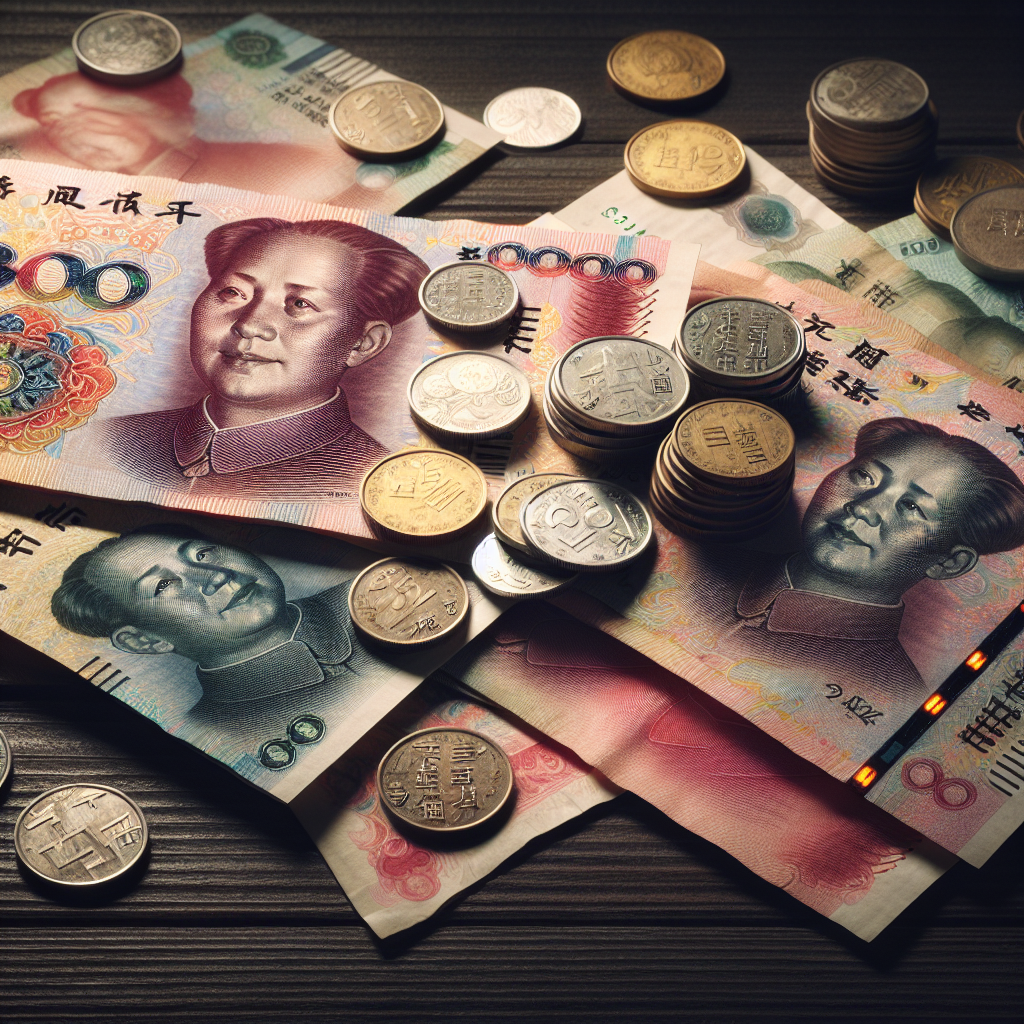
China's yuan experienced its lowest value since 2023 on Tuesday, attributed to the central bank's relaxed control. Analysts view this as a strategic move to counteract export challenges caused by a severe trade dispute with the U.S.
The ongoing tariff conflict between the U.S. and China shows no signs of resolution, with President Donald Trump threatening further tariff increases in response to recent reciprocal measures. Ju Wang of BNP Paribas highlights an increased expectation for yuan devaluation, reflecting market pressures.
While a weaker yuan could boost exports, concerns about capital outflows and financial stability persist. Vishnu Varathan from Mizuho Bank notes that the People’s Bank of China is unlikely to support significant depreciation to maintain stability, setting a controlling midpoint rate while seeking to navigate economic shocks.
ALSO READ
-
WTO Sets Up Panel on EU Carbon Border Rules as Russia Challenges Restrictions
-
WHO Brings Global Experts Together to Strengthen Herbal Medicine Quality and Safety
-
Human Cost of Faster Work: Chinese Employees Weigh AI’s Promise Against Pay Fears
-
China's August Disasters Yield $5.38 Billion in Losses
-
China Strengthens Military Surveillance in Djibouti


 Google News