

Nandan Nilekani's Vision: India's Path to One Million Startups by 2035
Nandan Nilekani envisions India achieving one million startups by 2035, leveraging its ten-year digital transformation. Speaking at the Carnegie Global Tech Summit, he emphasized AI implementation and the evolution of India's digital public infrastructure, noting underlying preparation and challenges, especially in public sector AI application.
- Country:
- India
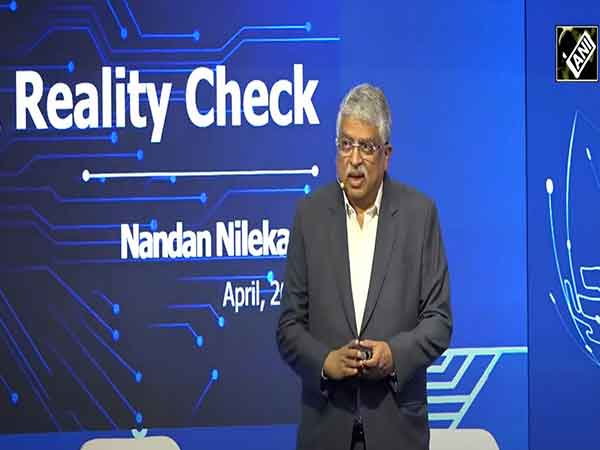
Infosys co-founder Nandan Nilekani presented a transformative plan, forecasting India's emergence as a hub for one million startups by 2035, ascending from just 2,000 in 2015. At the Carnegie Global Tech Summit, Nilekani, also the founding Chairman of UIDAI (Aadhaar), underscored the role of AI, built on a decade of digital advancements.
Nilekani highlighted the dynamic growth, noting, "In 2015, we had about 2,000 startups. Today, we have 150,000 startups... we will have a million startups in 2035." He acknowledged the cycle of innovation, where successful companies further stimulate new ventures, tackling challenges in sectors like climate, energy, and space.
Elaborating on India's entrepreneurial surge, Nilekani attributed it to a "virtuous cycle" driving relentless innovation. He acknowledged the shift towards private contributions in traditionally state-driven sectors. Moreover, Nilekani detailed the strengthening of India's digital public infrastructure, from Aadhaar to the launch of Reliance Jio, marking a turning point in mobile services.
He insisted these developments were the fruit of methodical groundwork. "Events were not spontaneous... it required patience to lay a strong foundation," he stated, affirming future progress could be accelerated with accumulated experience.
Emphasizing AI's potential, Nilekani described the transition towards integrating more Indian languages, evolving user interfaces, and leveraging AI's capability for dynamic information, with anticipated growth in devices and accessibility.
Nilekani also pointed out the complexities of AI implementation in the public sector, citing structural challenges and the critical need for ethical considerations and public trust. He remarked on the necessity of data integration across governmental divisions to harness AI's full potential for societal benefit.


 Google News