

IFC, Côte d’Ivoire Name Infinity Power to Build Landmark Solar PV Plants
By leveraging this approach, Côte d’Ivoire has not only secured record-low pricing but also set a precedent for future renewable energy tenders in the region.
- Country:
- Ivory Coast
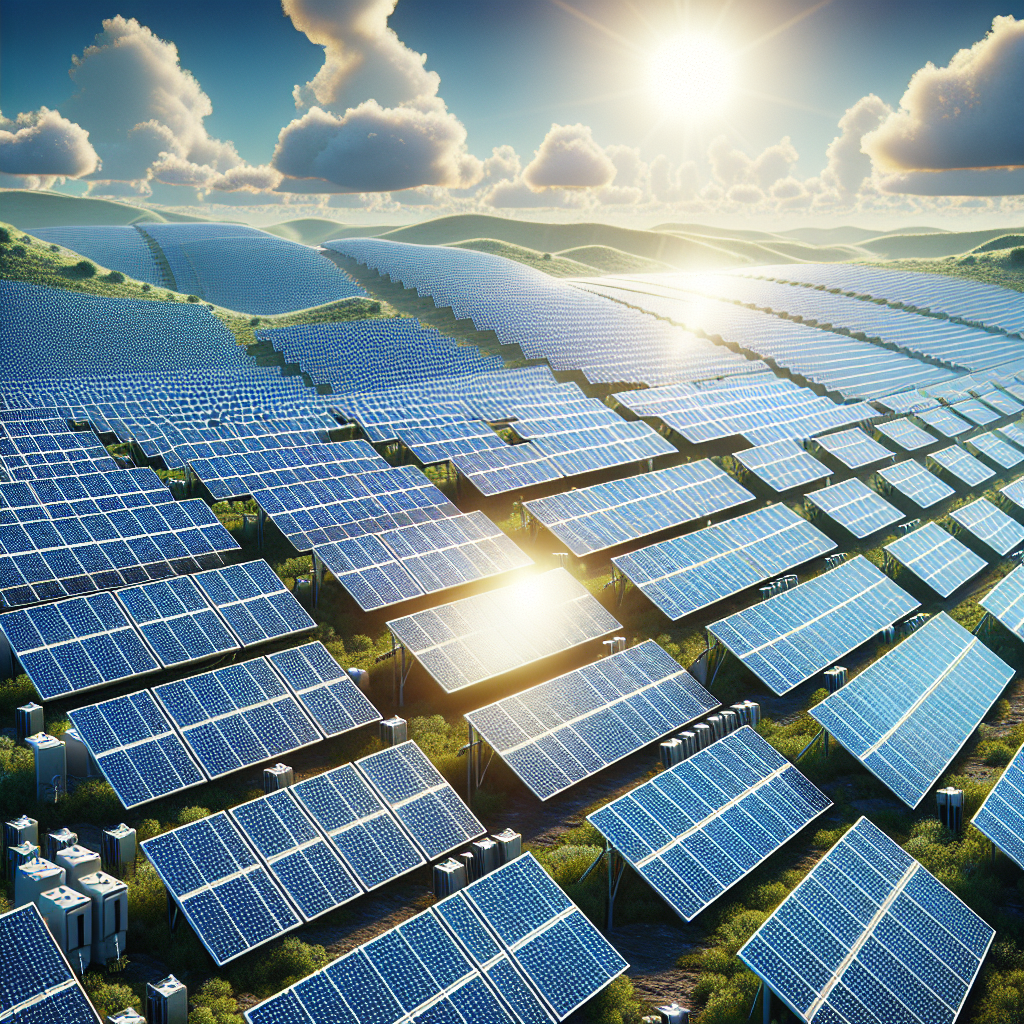
In a milestone for West and Central Africa's renewable energy transition, the International Finance Corporation (IFC) and the Government of Côte d'Ivoire have announced Infinity Power Holding as the winning bidder to design, finance, build, and operate two grid-connected solar photovoltaic (PV) plants that will deliver clean and affordable electricity to over 400,000 households, schools, hospitals, and businesses in remote regions.
Record-Low Tariffs for Solar in West and Central Africa
Infinity Power — a joint venture between Infinity of Egypt and Masdar of the United Arab Emirates — secured the project with unprecedentedly low bids:
-
EUR 0.03310/kWh for an 80 MW plant in Laboa.
-
EUR 0.03213/kWh for an 80 MW plant in Touba.
These are the lowest-ever solar independent power producer (IPP) tariffs recorded in West and Central Africa, signaling a major leap in cost competitiveness for renewable power in the region.
Scaling Solar Program: Streamlining the Process
The competitive tender was conducted under the World Bank Group's Scaling Solar Program, which provides a one-stop shop for governments seeking to rapidly procure solar power. The model integrates financing, guarantees, and advisory services from the World Bank, IFC, and the Multilateral Investment Guarantee Agency (MIGA), reducing project risk and attracting global bidders.
By leveraging this approach, Côte d'Ivoire has not only secured record-low pricing but also set a precedent for future renewable energy tenders in the region.
Boosting Renewable Energy Share to 42% by 2030
Currently, renewable sources account for about 1% of Côte d'Ivoire's power generation. The government has committed to increasing this to 42% by 2030 under its national energy transition plan.
"These projects have three key objectives: to increase our production capacity, to strengthen our energy resilience, and to create local job and investment opportunities. They represent a significant step towards meeting our climate commitments by 2030," said Mamadou Sangafowa-Coulibaly, Minister of Mines, Oil and Energy.
The solar plants will help diversify the energy mix, reduce reliance on fossil fuels, and enhance the resilience of the power sector to climate shocks.
Empowering Communities and Creating Jobs
Mohamed Ismail Mansour, Co-Founder and Chairman of Infinity Power, emphasized the broader development impact:
"These solar plants will not just bring affordable electricity to hundreds of thousands of people but will also empower communities, strengthen infrastructure, and accelerate the country's progress toward a decarbonised future."
The projects are expected to create local jobs during construction and operation, boost economic activity in rural areas, and stimulate private investment in ancillary industries.
International Backing for Clean Energy Goals
The initiative is supported by the German Federal Ministry for Economic Cooperation and Development and builds on Côte d'Ivoire's strong track record in expanding access to electricity.
Marie Chantal Uwanyiligira, World Bank Division Director for Benin, Côte d'Ivoire, Guinea, and Togo, noted:
"Increasing the share of solar energy will not only lower generation costs but also set the country on the path to universal access."
Olivier Buyoya, IFC Regional Director for West Africa, added:
"Access to clean energy fosters rural productivity and incomes, develops human capital, and creates sustainable, private sector jobs."
Construction Timeline
Construction on the Laboa and Touba plants is scheduled to begin by March 2026, with commissioning expected by the end of 2026. Once operational, the combined 160 MW capacity will make a significant contribution toward Côte d'Ivoire's climate and energy access targets.


 Google News