

Japanese PM's Resignation Sparks Economic Uncertainty
Japanese Prime Minister Shigeru Ishiba announced his resignation, potentially ushering in a prolonged period of political and economic uncertainty for Japan. Market analysts express concerns over political risks, fiscal policy changes, and potential impacts on the yen and Japanese government bonds.
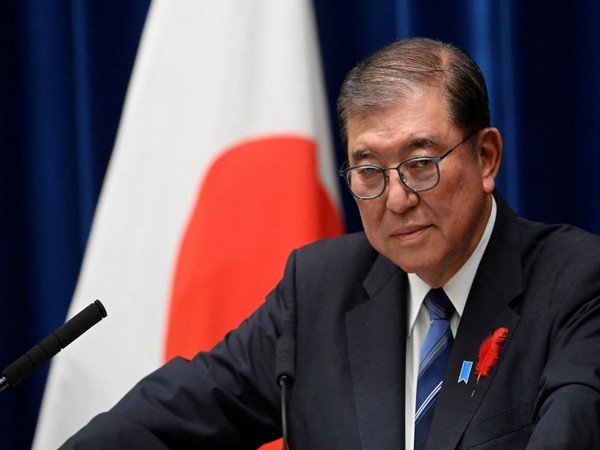
Japanese Prime Minister Shigeru Ishiba has announced his resignation, which may trigger an extended phase of political and economic instability for the world's fourth-largest economy. The Liberal Democratic Party will now conduct an emergency leadership race to select Ishiba's successor.
Market analysts have voiced concerns about the effects of the political upheaval. Michael Brown from Pepperstone, London, highlighted the unexpected timing of the resignation, noting increased political risks and potential downturns for the yen and Japanese government bonds as markets react to the leadership change.
In addition to market impacts, candidates for the leadership are expected to propose looser fiscal policies than Ishiba, adding pressure on long-term bond yields. The Bank of Japan is likely to maintain its cautious approach to interest rate hikes amid the growing political uncertainty.
ALSO READ
-
Japanese Lawmakers Visit India to See Worker Protection and Skills Projects in Action
-
Japan-Backed ILO Projects Help 23,000 Workers Gain Rights and Fight Child Labour
-
Najib Razak's House Arrest: A New Chapter in Malaysia's Political Drama
-
Riding the Waves: India's Surfing Olympic Dream
-
Romania's Political Turmoil: A New Prime Minister Nominee Amidst Uncertainty


 Google News