

GST 2.0: A New Era of Economic Empowerment
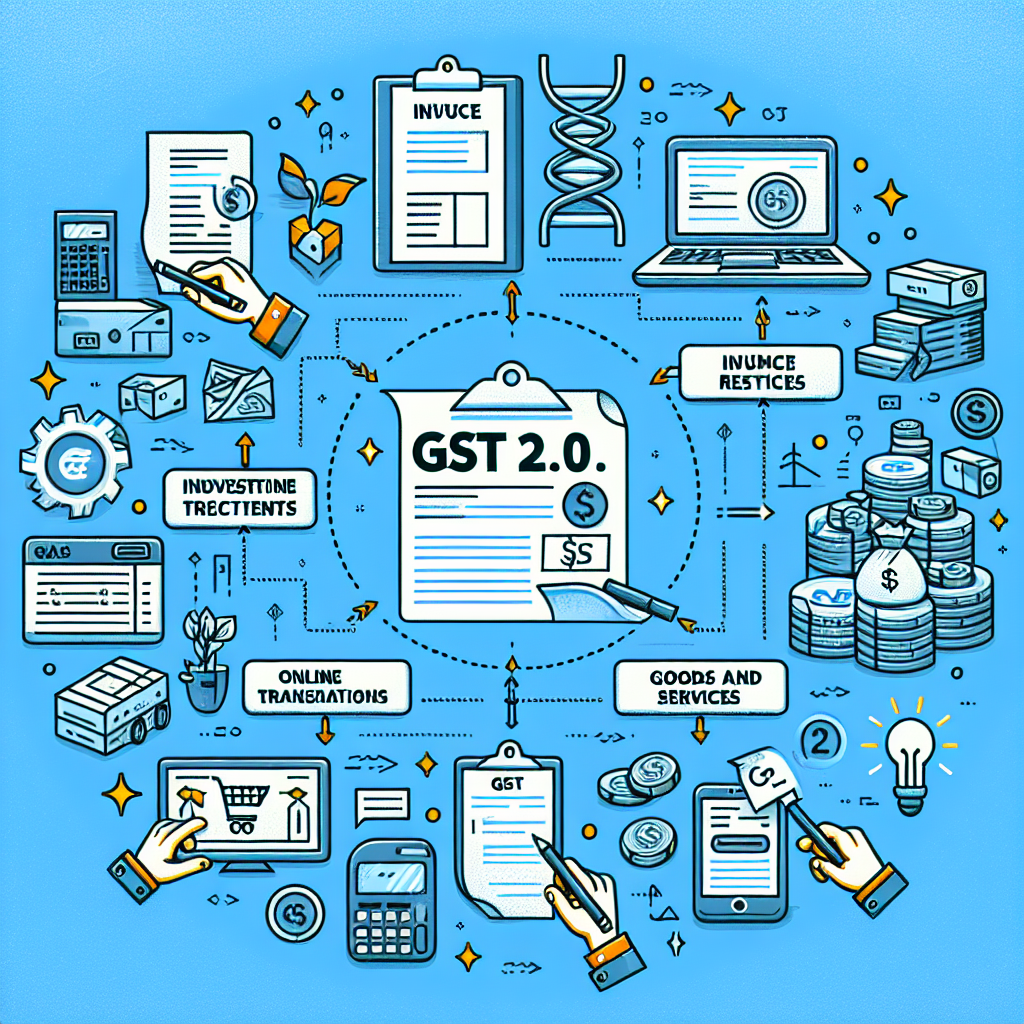
The GST 2.0 reform, effective Monday, introduces lower taxes on numerous items, easing compliance burdens for MSMEs and reducing input costs for industries. Described by Prime Minister Modi as 'Bachat Utsav', the changes aim to enhance consumer spending power and boost India's overall growth momentum.
- Country:
- India
The rollout of the next-generation GST 2.0 reform is set to revolutionize India's economic landscape starting Monday. Industry leaders believe the reforms will place more money in consumers' hands, reduce compliance burdens for MSMEs, and lower input costs for industries.
Prime Minister Narendra Modi described the revised GST rates as a 'saving festival.' He emphasized the importance of purchasing indigenous products, drawing a parallel with the Swadeshi movement that fueled India's independence. Industry bodies have applauded this transformative move.
The new GST structure features a simplified two-tier system with taxes of 5 and 18 per cent, while luxury items and tobacco products face higher levies. Key consumption goods are set to become more affordable, aligning with Modi's vision for Aatmanirbhar Bharat.


 Google News