

AfDB Approves $500,000 Relief Grant to Aid Uganda’s Flood and Landslide Victims
The grant is therefore not just a humanitarian lifeline but also a tool for economic recovery, with procurement opportunities for local suppliers, transporters, and service providers.
- Country:
- Ivory Coast
The African Development Bank Group (AfDB) has approved a $500,000 emergency grant from its Special Relief Fund to support Uganda's Relief Emergency Response Project, providing urgent assistance to communities devastated by severe floods and landslides in August 2025.
The funding will be used to deliver family-size tents to at least 1,500 internally displaced persons (IDPs) in the districts of Bulambuli, Kasese, and Ntoroko, where thousands have been forced into temporary camps after losing their homes.
Severe Flooding in Mount Elgon and Rwenzori Regions
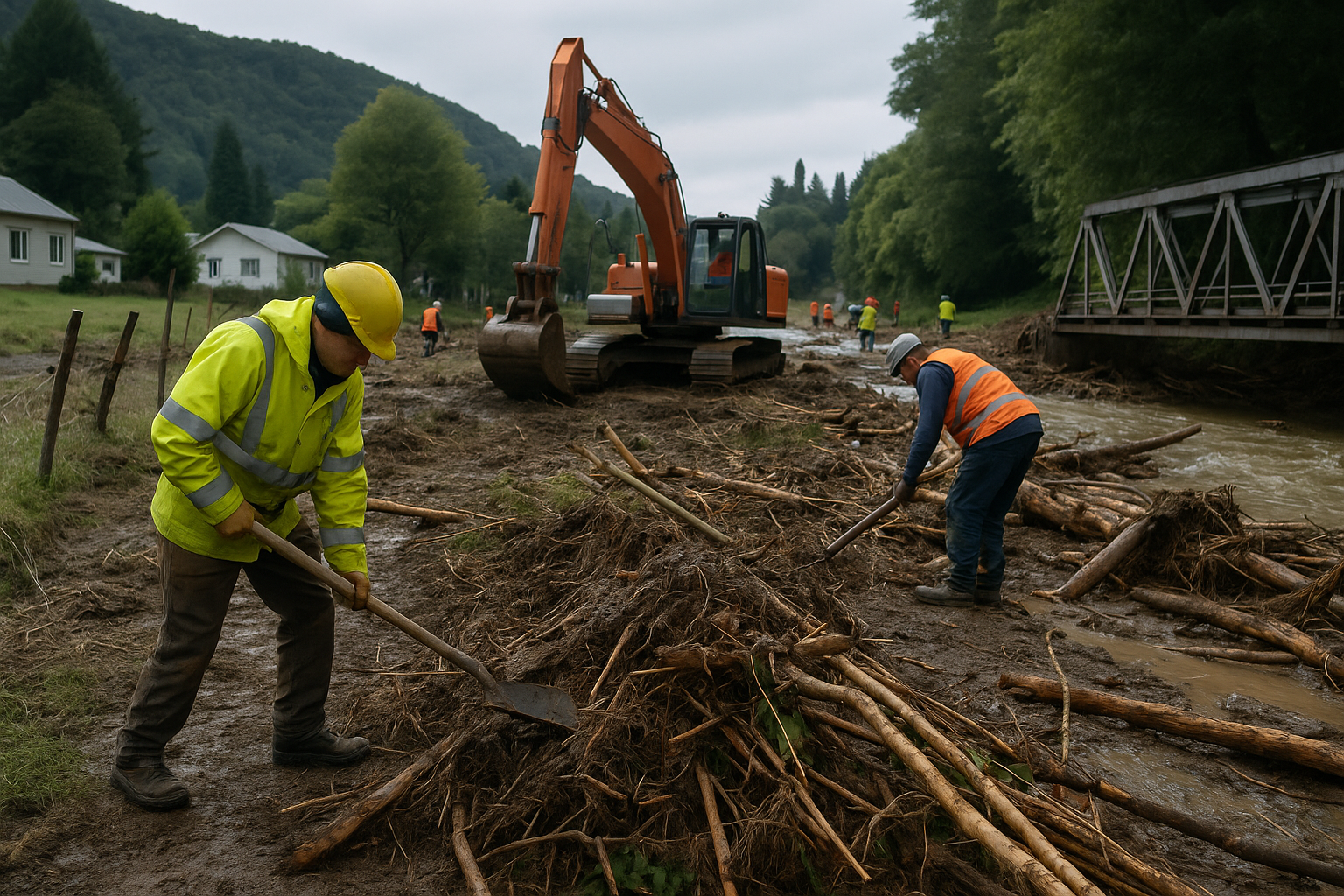
Between 17–19 August 2025, the Mount Elgon subregion in eastern Uganda was battered by unusually heavy rains, flooding the mountainous districts of Bulambuli, Sironko, and Mbale, while triggering destructive landslides in Namisindwa.
The impact was devastating:
-
5 lives lost and 50 people injured.
-
2,000 homes damaged or destroyed.
-
5,000 people displaced and over 15,000 affected in total.
These disasters come amid a worrying trend of extreme weather in Uganda's Rwenzori and Elgon regions, where fragile ecosystems and vulnerable communities have been repeatedly struck by floods, mudslides, and landslides in recent years.
Relief as an Investment in Dignity and Recovery
AfDB officials stressed that the emergency support goes beyond immediate shelter. Mercuria Assefaw, Division Manager for Water Security and Sanitation at the Bank, explained:
"Beyond emergency relief, the project is an investment in dignity, safety, and recovery. Providing decent temporary housing will not only address a priority shelter need and improve living conditions for displaced families, it will also stimulate the local economy through procurement and logistics."
The grant is therefore not just a humanitarian lifeline but also a tool for economic recovery, with procurement opportunities for local suppliers, transporters, and service providers.
Implementation by Uganda's Disaster Management Authorities
The project will be implemented by the Office of the Prime Minister of Uganda, specifically through the Department of Relief, Disaster Preparedness and Management. Authorities have pledged rapid procurement and efficient delivery, ensuring relief materials reach the most affected within weeks.
Key activities include:
-
Procurement and distribution of family-size tents.
-
Establishment of safer living conditions in IDP camps.
-
Strengthening logistics and supply chains through local providers.
The entire intervention is expected to be completed within six months, enabling displaced families to regain stability before the next rainy season.
Strengthening Resilience Against Climate Disasters
Uganda's vulnerability to climate-induced disasters continues to grow as rainfall patterns intensify with global climate change. Each year, floods and landslides in the Elgon and Rwenzori highlands destroy homes, schools, and farmland, while displacing thousands of families.
By supporting shelter relief and community resilience, AfDB aims to help Uganda respond to emergencies more effectively while preparing communities to withstand future shocks.
"This grant reflects the Bank's solidarity with Uganda. By providing immediate relief, we aim to restore hope and stability as communities continue their journey of recovery," added Assefaw.
AfDB's Broader Commitment to Humanitarian Response
The grant underscores AfDB's evolving role not only as a development financier but also as a partner in crisis response. In recent years, the Bank has increasingly deployed its Special Relief Fund to provide rapid assistance to African nations struck by natural disasters, conflict, and displacement crises.
For Uganda, the project is a crucial intervention at a time when humanitarian needs are mounting. By ensuring dignified shelter, protecting vulnerable families, and reinforcing local recovery efforts, AfDB's support offers a vital lifeline for communities in distress.


 Google News