

World Bank Reports Modest Recovery for Myanmar Despite Conflict and Quake Impacts
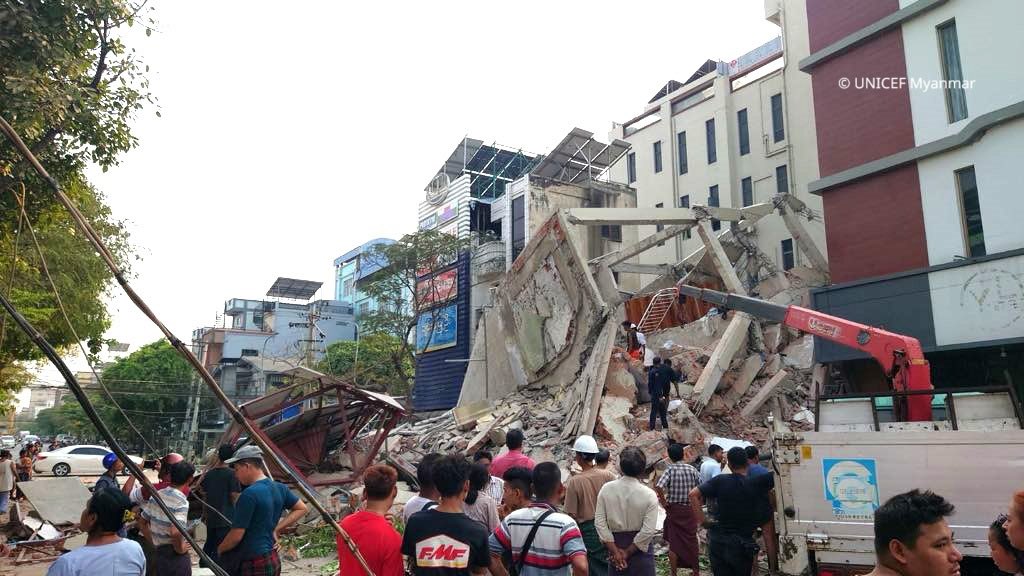
The report provides a cautious assessment of an economy still reeling from the March 2025 earthquake, ongoing conflict, inflationary pressures, and long-standing institutional weaknesses.
- Country:
- Myanmar
Myanmar's prospects for economic recovery are slowly improving, though the country continues to face severe structural, humanitarian, and financial challenges, according to the newly released World Bank Myanmar Economic Monitor. The report provides a cautious assessment of an economy still reeling from the March 2025 earthquake, ongoing conflict, inflationary pressures, and long-standing institutional weaknesses.
Gradual Stabilization Amid Persistent Hardship
Economic indicators show moderate but uneven signs of improvement:
-
Business operations improved, with firms in October 2025 operating at higher capacity compared to April.
-
The kyat strengthened throughout 2025, recovering from the major depreciation experienced in 2024.
-
Inflation eased slightly, though consumer prices remain elevated and continue to strain household purchasing power.
-
Freight transport volumes rose over the six months up to September 2025, reflecting a gradual recovery from earthquake-related supply chain disruptions.
"These early signs of recovery are encouraging," said Melinda Good, World Bank Division Director for Thailand and Myanmar. "However, Myanmar's economy still faces formidable obstacles—limited reconstruction financing, ongoing conflict, insecurity, and unreliable electricity supply continue to slow progress."
GDP Forecast Improves, but Economic Outlook Remains Fragile
The World Bank revised its forecast for the fiscal year ending March 2026, projecting a 2.0% contraction, an improvement from the earlier estimate of -2.5%. A 3% rebound is expected in FY2026/27, supported primarily by post-earthquake reconstruction efforts and targeted assistance to affected households.
Key economic pressures remain:
-
Inflation is projected to stay above 20%, continuing to erode real incomes.
-
The fiscal deficit is expected to widen to 5% of GDP in FY2026/27 due to reconstruction demands.
-
Public debt is projected to remain above 60% of GDP, reflecting dependency on domestic borrowing.
These factors indicate that while recovery is underway, Myanmar's economic foundations remain fragile.
Agrifood Sector: A Rare Source of Stability and Jobs
Despite repeated shocks—from extreme flooding to the 2025 earthquake—the agrifood sector continues to anchor economic activity. It contributes:
-
27% of gross value added
-
22% of manufacturing employment
The sector's resilience highlights its importance for livelihoods, food security, and economic stability.
"Strengthening agrifood value chains is important for resilience and jobs," said Kemoh Mansaray, World Bank Senior Economist. He emphasized that global experience shows that improving the business environment and investing in agricultural infrastructure can significantly boost productivity and income for rural communities.
Recommended Strategies for Strengthening Agrifood Value Chains
To support long-term economic resilience, the report highlights several priority interventions:
-
Strengthening links between producers and processors to improve market access
-
Investing in storage and logistics infrastructure to reduce post-harvest losses
-
Facilitating modern processing technologies to add value and improve product quality
-
Enhancing rural road networks, irrigation systems, and cold-chain capacity
-
Simplifying regulatory procedures to encourage private sector participation
These measures aim to improve efficiency, expand employment opportunities, and stabilize food supply chains.
A Recovery Still at Risk
While Myanmar shows cautious signs of progress, the World Bank stresses that conflict, political instability, and economic uncertainty continue to constrain growth. Ensuring sustained recovery will require:
-
Increased reconstruction financing
-
Improvements in security and governance
-
Investments in infrastructure and electricity reliability
-
Continued support for vulnerable households and rural communities
The path forward remains uncertain—but strategic investments, especially in agrifood systems, may offer Myanmar one of its most viable avenues toward stability and inclusive recovery.
ALSO READ
-
Tanzania’s Growth Gains Need Better Jobs to Bring Lasting Prosperity to More Families
-
Better Schools, Stronger Economy: Saudi Arabia Eyes a Major Growth Dividend From Education
-
World Bank’s Billion-Person Digital Push Puts Affordable Internet and AI at Center Stage
-
UN Expert Urges Malaysia to Halt Myanmar Returns as Refugees Face War and Violence
-
Tanzania’s Economy Gains Momentum, but Better Jobs Hold the Key to Broader National Prosperity


 Google News