

EU Commits €35.8 Million to Accelerate Tunisia’s Renewable Energy Transition and Grid Modernisation
The grants are complemented by EU guarantees under EFSD+, amplifying their impact and mobilising international co-financing.
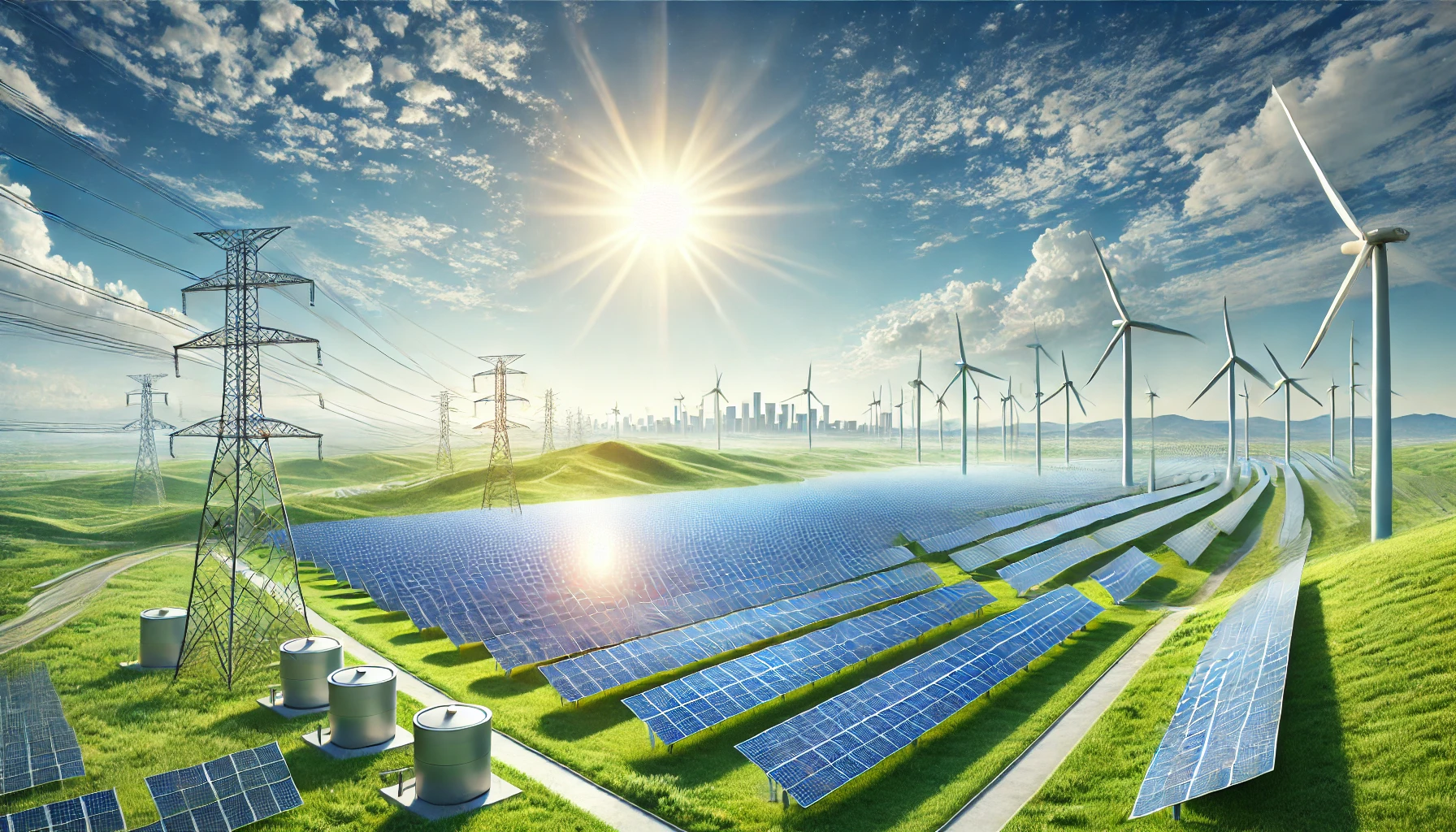
The European Union (EU) is scaling up its support for Tunisia's energy transition, committing €35.8 million in grant financing to accelerate renewable energy generation and strengthen electricity transmission infrastructure across the country.
Provided through the EU Neighbourhood Investment Platform (NIP), the funding is designed to de-risk major renewable energy projects, enhance their bankability, and unlock additional public and private investment—supporting Tunisia's shift toward a more secure, low-carbon energy system.
The EU has signed two contribution agreements under the programme:
-
€20.4 million with the European Bank for Reconstruction and Development (EBRD)
-
€15.4 million with the European Investment Bank (EIB Global)
The grants are complemented by EU guarantees under EFSD+, amplifying their impact and mobilising international co-financing.
Solar Projects Move from Pipeline to Reality
The first projects supported under the framework include:
-
A 100 MW solar photovoltaic plant in Sidi Bouzid, developed by Scatec and Aeolus
-
A 300 MW solar PV portfolio in Gafsa, led by Qair
Together, the initial projects represent 400 MW of installed capacity, marking a significant step forward in Tunisia's renewable rollout and signalling strong momentum for further private-sector participation.
Turning Strategy into Bankable Investment
"Tunisia is a key partner for EIB Global, and this EU contribution is a decisive step toward turning priority renewable projects into bankable investments," said Ioannis Tsakiris, EIB Vice-President."It demonstrates how EU grant support, combined with EIB financing, can mobilise large-scale investment in solar power and the grid infrastructure needed to deliver it—accelerating Tunisia's energy transition under the Global Gateway."
Giuseppe Perrone, EU Ambassador to Tunisia, said the programme aligns closely with national priorities:"By investing in renewable energy and modern infrastructure, the EU is supporting Tunisia's energy autonomy, sustainable growth and climate resilience—delivering tangible benefits for citizens and contributing to stability across the Mediterranean."
EBRD President Odile Renaud-Basso highlighted the leverage effect of blended finance:"By combining EU grants with financing, we can unlock Tunisia's abundant renewable resources and deliver secure, domestic, and affordable power through large-scale solar and grid investments."
Anchored in National and Regional Climate Goals
The agreements directly support Tunisia's 1.7 GW renewable energy programme and its goal of generating 35% of electricity from renewable sources by 2035, as outlined in the EU–Tunisia Memorandum of Understanding on energy cooperation.
They also form part of the Global Gateway Africa–Europe Investment Package, reflecting a Team Europe approach that combines grants, guarantees, and development finance to deliver secure, inclusive, and climate-resilient energy systems.
Why It Matters
For Tunisia, the initiative accelerates the transition from imported fossil fuels to domestic, clean power, strengthening energy security while lowering costs and emissions. For investors and developers, it sends a clear signal that large-scale renewables in North Africa are increasingly bankable, supported by coordinated European financing.
As demand for clean energy grows across the Mediterranean, the EU-backed programme positions Tunisia as a regional renewable energy frontrunner, ready to scale solar generation and modern grid infrastructure at speed.


 Google News