

Weathering El Nino: The Resilient Global Food System
The global food system has grown more resilient to El Nino, thanks to technological advances and increased exports from Brazil and Russia. Despite challenges, including dryness in Asia and disruptions in fertiliser and fuel supplies, improved crop varieties and strategic reserves are helping mitigate potential impacts on food production and prices.
- Country:
- Australia
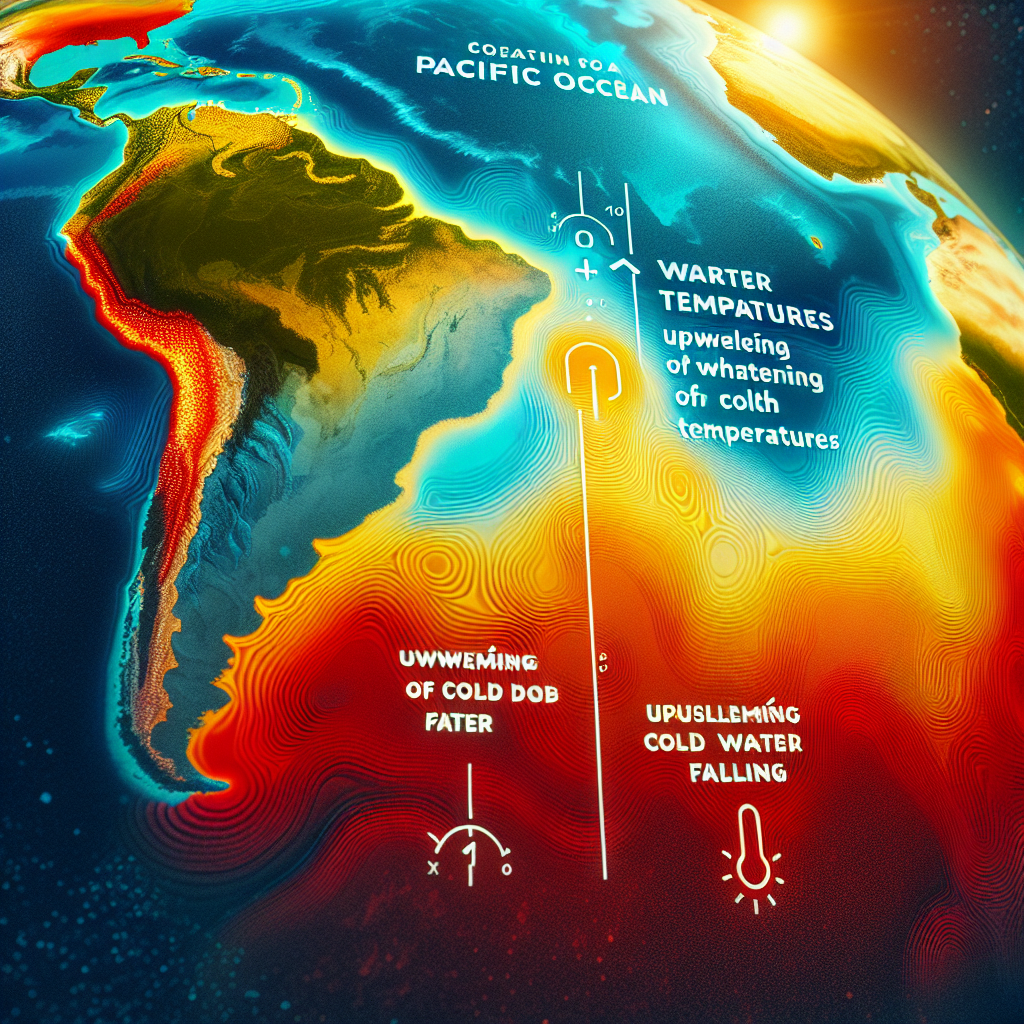
The global food system is better equipped to withstand this year's potent El Nino, experts say, thanks to technological progress and robust export performance from nations like Brazil and Russia. Recent decades have seen farm output outpacing consumption, underpinned by high-yield crops and improved agricultural practices.
Despite El Nino's dryness affecting crop planting in Asia, including India and Australia, enhanced irrigation techniques and drought-resistant seeds are poised to cushion the blow. Experts caution that the strengthening of El Nino could exacerbate adverse weather conditions, yet they remain cautiously optimistic about reduced disruptions compared to past episodes.
Current robust grain inventories and the development of drought-tolerant crop varieties worldwide provide some buffer against potential shortages. However, ongoing geopolitical tensions, particularly in the Middle East, pose additional risk, potentially complicating global food supply chains reliant on key inputs and exports.


 Google News