

African Development Bank Leads 2026 Aid Transparency Index for Third Consecutive Time
The Inter-American Development Bank and the World Bank's International Development Association shared second place, each receiving a score of 97.1 out of 100.
- Country:
- Ivory Coast
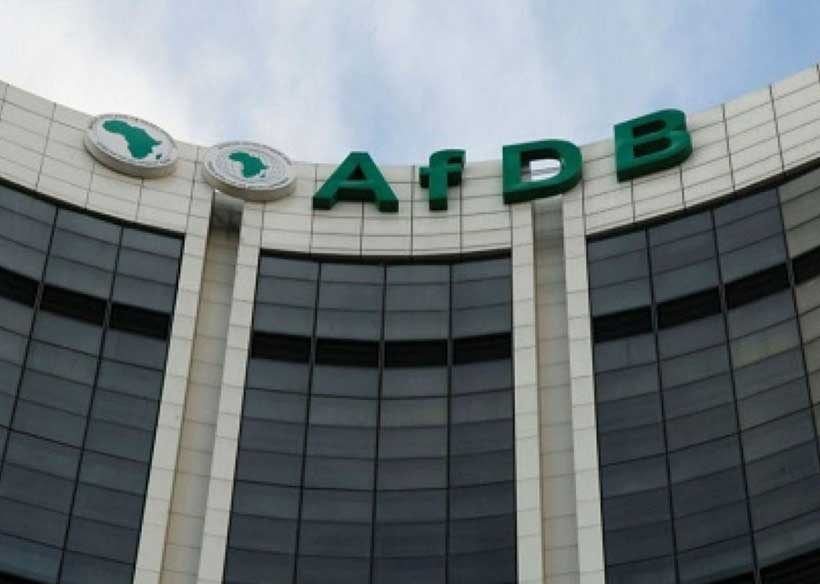
The African Development Bank Group has secured first place in the 2026 Aid Transparency Index, maintaining its position as the most transparent major development institution for the third consecutive edition. The ranking, released in London by the international organisation Publish What You Fund, assessed how effectively development institutions disclose information about their activities, financial commitments and project results. The Bank's sovereign portfolio achieved an impressive score of 98.8 out of 100, placing it ahead of 32 other institutions evaluated in the latest biennial assessment.
The Inter-American Development Bank and the World Bank's International Development Association shared second place, each receiving a score of 97.1 out of 100. The African Development Bank's leading position reflects its consistent publication of comprehensive, accurate and timely information about public sector projects, financial flows and development outcomes. Its performance highlights the growing importance of making development financing information publicly accessible so governments, investors and citizens can understand how resources are being used.
The Bank maintained the same score it received in 2024, extending its first-place performances in the 2022 and 2024 editions despite changes in leadership, management and strategic priorities. This consistency suggests that transparency has become part of the institution's everyday operations rather than depending on individual initiatives or temporary improvements. Across organisations assessed in both the 2024 and 2026 editions, the average transparency score declined slightly from 62.7 to 62.1, making the Bank's sustained performance particularly notable.
African Development Bank Sets a Global Benchmark for Financial Transparency
The 2026 ranking recognises the African Development Bank's efforts to make project information easier to find, understand and use through its website, public databases and interactive reporting tools. These platforms allow stakeholders to examine how development projects are designed, financed and implemented, providing a clearer picture of the institution's activities across African countries. Greater access to reliable information can help governments monitor development investments, improve accountability and strengthen public confidence in institutions responsible for managing financial resources.
Gary Forster, CEO of Publish What You Fund, praised the Bank's continued leadership in transparency and its commitment to improving public access to development information. He highlighted the institution's investment in digital dashboards and online reporting systems that make financial and operational data more useful for different audiences. The Bank's consistent improvements provide an example for other development institutions seeking to strengthen accountability and make their activities more transparent.
African Development Bank Group President Dr Sidi Ould Tah described transparency as an essential foundation for building trust, supporting informed decisions and improving the effectiveness of development financing. He emphasised that reliable information can strengthen investor confidence and help countries use limited financial resources more efficiently. Better access to development data can also support stronger oversight of public investments and encourage greater accountability in how projects are implemented.
MapAfrica Makes Thousands of Development Projects Accessible to the Public
One of the Bank's major transparency tools is MapAfrica, an interactive platform that provides information on approximately 6,000 development projects across more than 18,500 locations. Users can explore project objectives, implementation progress and reported results, alongside appraisal documents and supervision reports explaining how individual investments are managed. The platform gives governments, researchers, investors and the public an opportunity to examine development activities and understand their potential contributions to local communities.
An institutional support project focused on improving urban water supply and sanitation services in Angola demonstrates the level of information available through MapAfrica. Approximately 60 documents relating to the project have been made publicly accessible, allowing interested stakeholders to review its design, implementation and development objectives. The Bank has also introduced a traffic-light reporting system aligned with its Results Management Framework, helping users identify whether operations are progressing toward the targets established during project approval.
The institution is applying a similar approach to Mission 300, its joint initiative with the World Bank to connect 300 million Africans to electricity by 2030. Progress information is published and updated every quarter through a dedicated digital dashboard, allowing stakeholders to monitor reported results during implementation rather than relying only on final project assessments. The initiative represents the Bank's largest undertaking and illustrates how regular public reporting can support accountability across major infrastructure and development programmes.
Greater Transparency Could Strengthen Investment and Development Financing
The Bank's transparency achievements come as African countries face growing financial challenges, including declining bilateral development assistance, increasing debt repayments and greater pressure to attract private investment. Multilateral development banks are increasingly expected to raise financing through capital markets, making reliable information about project performance and financial risks more important to potential lenders. Limited access to credible evidence can increase borrowing costs for African countries because investors may demand higher returns when risks cannot be assessed clearly.
Improving the availability of financial and development data forms an important part of the African Development Bank's New African Financial Architecture for Development (NAFAD). The initiative was approved by the Bank Group's Board of Governors during its 2026 Annual Meetings in Brazzaville in May, reflecting efforts to strengthen Africa's access to financing and mobilise investment. Transparent reporting can help investors make better-informed decisions, support more efficient use of development resources and improve confidence in institutions financing major economic projects.
The African Development Bank has reaffirmed its commitment to improving public access to information through more accessible reporting systems, updated digital tools and regular publication of project results. Its approach also recognises the need to balance openness with obligations to protect information entrusted to the institution by its clients. Maintaining high transparency standards could strengthen the Bank's credibility, improve development accountability and help African countries attract financing for infrastructure, economic growth and essential public services.
ALSO READ
-
The Gambia Targets Project Delays to Turn AfDB Investments Into Gains for Traders and Consumers
-
Mozambique Needs $11 Billion a Year: AfDB Calls for Stronger Development Financing
-
AfDB and The Gambia Tackle Delays in Active Development Projects Worth $170m
-
Can Zimbabwe’s New Pandemic Fund Project Turn Early Health Warnings Into Stronger Protection?
-
Can Africa Turn Waste Into Industrial Wealth? AfDB Backs Nine Firms Seeking a Bigger Market


 Google News