

California Gov. Gavin Newsom signs law to raise minimum wage for fast food workers to USD 20 per hour
California fast food workers will be paid at least USD 20 per hour next year under a new law signed Thursday by Democratic Gov. Gavin Newsom.When it takes effect on April 1, fast food workers in California will have among the highest minimum wages in the country, according to data compiled by the University of California-Berkeley Centre for Labour Research and Education.
- Country:
- United States
California fast food workers will be paid at least USD 20 per hour next year under a new law signed Thursday by Democratic Gov. Gavin Newsom.
When it takes effect on April 1, fast food workers in California will have among the highest minimum wages in the country, according to data compiled by the University of California-Berkeley Centre for Labour Research and Education. The state's minimum wage for all other workers — USD 15.50 per hour — is already among the highest in the United States.
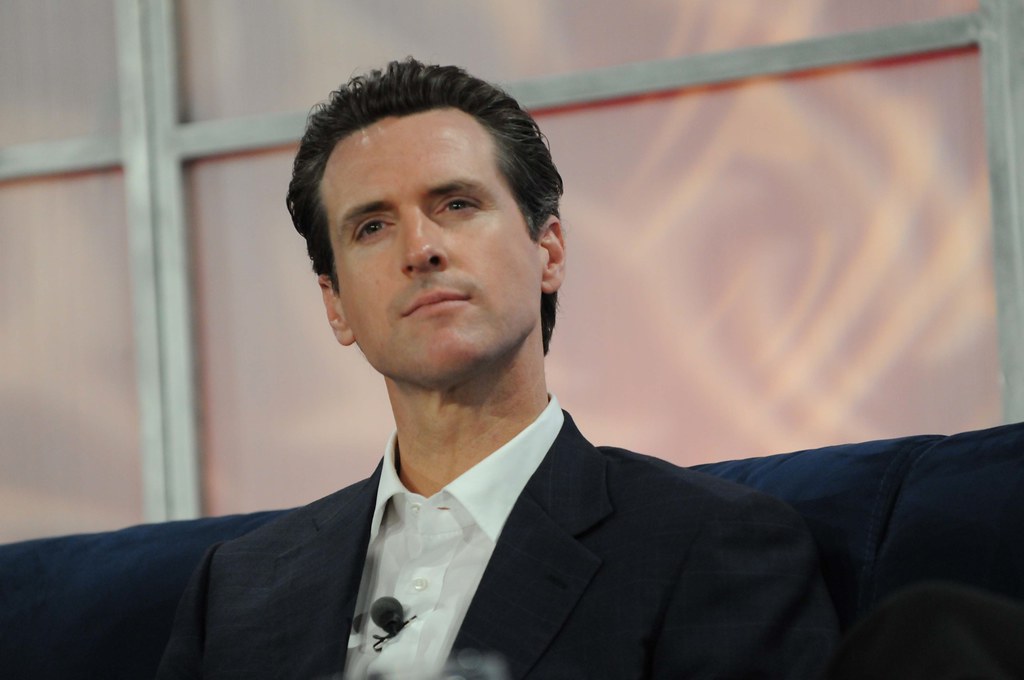
Cheering fast food workers and labour leaders gathered around Newsom as he signed the bill at an event in Los Angeles.
"This is a big deal," Newsom said.
Newsom's signature on Thursday reflects the power and influence of labour unions in the nation's most populous state, which have worked to organize fast food workers in an attempt to improve their wages and working conditions.
It also settles — for now, at least — a fight between labour and business groups over how to regulate the industry. In exchange for higher pay, labour unions have dropped their attempt to make fast food corporations liable for the misdeeds of their independent franchise operators in California, an action that could have upended the business model on which the industry is based. The industry, meanwhile, has agreed to pull a referendum related to worker wages off the 2024 ballot.
"This is for my ancestors. This is for all the farm works, all the cotton-pickers. This is for them. We ride on their shoulders," said Anneisha Williams, who works at a Jack in the Box restaurant in Southern California.
California's fast food workers earn an average of USD 16.60 per hour, or just over USD 34,000 per year, according to the US Bureau of Labour Statistics. That's below the California Poverty Measure for a family of four, a statistic calculated by the Public Policy Institute of California and the Stanford Centre on Poverty and Equality that accounts for housing costs and publicly-funded benefits.
In California, most fast food workers are over 18 and the main providers for their family, according to Enrique Lopezlira, director of the University of California-Berkeley Labour Centre's Low Wage Work Programme.
The USD 20 minimum wage is just a starting point. The law creates a fast food council that has the power to increase that wage each year through 2029 by 3.5 per cent or the change in averages for the US Consumer Price Index for urban wage earners and clerical workers, whichever is lower.
The raise takes effect on April 1 and applies to workers at restaurants that have at least 60 locations nationwide — with an exception for restaurants that make and sell their own bread, like Panera Bread.
Now, the focus will shift to another group of low-wage California workers waiting for their own minimum wage increase. Lawmakers passed a separate bill earlier this month that would gradually raise the minimum wage for health care workers to USD 25 per hour over the next decade. That raise wouldn't apply to doctors and nurses, but to most everyone else who works at hospitals, dialysis clinics or other health care facilities.
But unlike the fast food wage increase — which Newsom helped negotiate — the governor has not said if he would sign the raise for health care workers. The issue is complicated by the state's Medicaid programme, which is the main source of revenue for many hospitals. The Newsom administration has estimated the wage increase would cost the state billions of dollars in increased payments to health care providers.
Labour unions that support the wage increase point to a study from the University of California-Berkeley Labour Centre that said the state's costs would be offset by a reduction in the number of people relying on publicly funded assistance programmes.


 Google News