

Historic Sanskrit Manuscript of Ramayana Finds New Home in Ayodhya
A 233-year-old Sanskrit manuscript of Valmiki's Ramayana, containing a classical commentary by Maheshvara Tirtha, has been permanently gifted to the Ram Katha Museum in Ayodhya. This significant cultural transfer aims to enhance the museum's global status and make the text accessible to a wider audience.
- Country:
- India
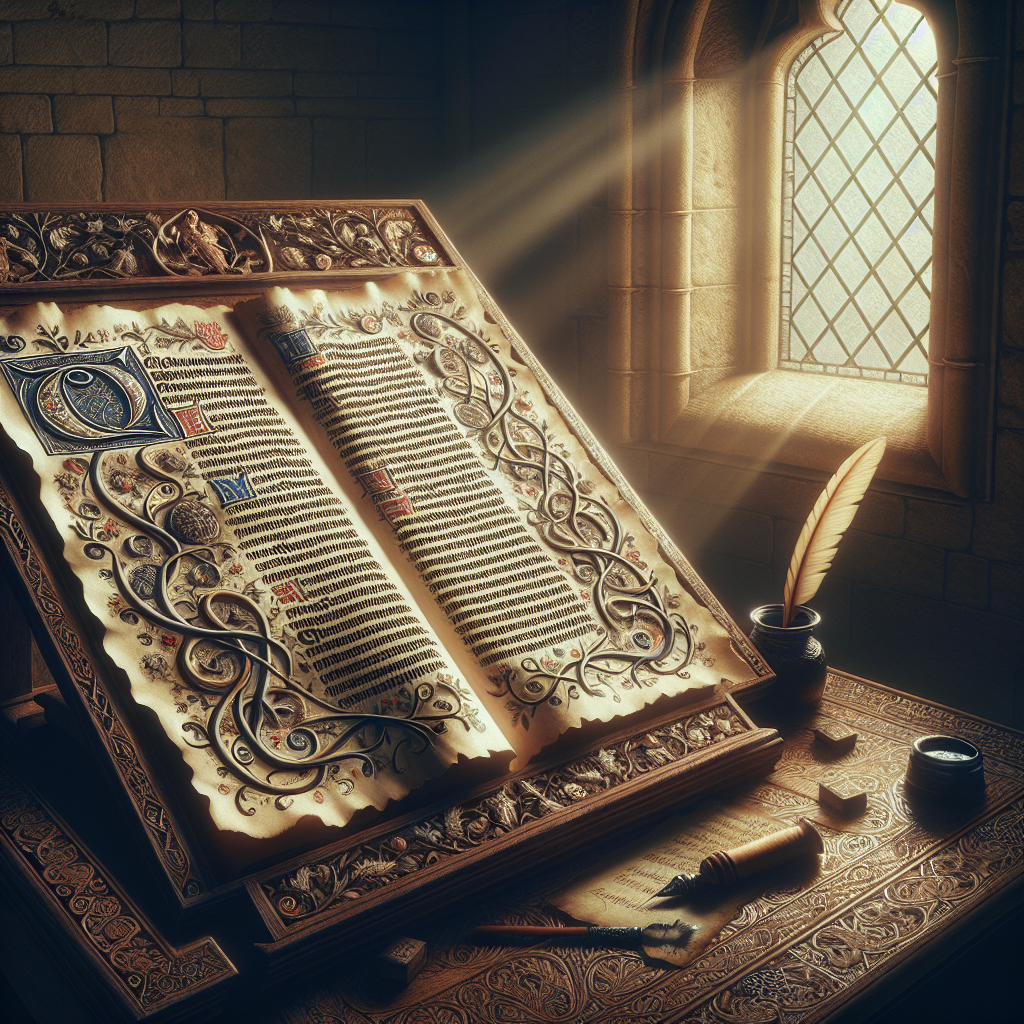
A rare 233-year-old Sanskrit manuscript of Valmiki's Ramayana has been donated to the Ram Katha Museum in Ayodhya, according to the Culture Ministry. This valuable cultural artifact was presented by Shrinivasa Varakhedi, Vice Chancellor of Central Sanskrit University, to Nripendra Misra, Chairman of the Executive Council of Prime Minister's Museum and Library.
The manuscript, composed by Adi Kavi Valmiki with a classical commentary by Maheshvara Tirtha, dates back to Vikrama Samvat 1849 (1792 CE) and is written in Sanskrit in Devanagari script. It includes five principal sections of the epic—Balakanda, Aranyakanda, Kiskindhakanda, Sundarakanda, and Yuddhakanda—demonstrating the rich narrative and philosophical depth of the ancient Itihasa.
Previously loaned to Rashtrapati Bhavan in New Delhi, the manuscript's permanent transfer to the International Ram Katha Museum in Ayodhya reflects a significant move towards preserving and enhancing public access to Ramayana heritage. Shrinivasa Varakhedi highlighted the cultural importance of this gesture, stating it helps the museum become a global center for Ramayana studies.


 Google News