

Bridging Language Barriers: Kerala Governor's Vision for Inclusive Hindi
Kerala Governor Rajendra Vishwanath Arlekar suggests the resistance to Hindi in parts of India may stem from its vocabulary, which includes Urdu and Persian words. He proposes a solution in Sanskrit-based vocabulary to enhance understanding and inclusivity across regions. Arlekar emphasizes linguistic commonalities to unite India's diverse languages.
- Country:
- India
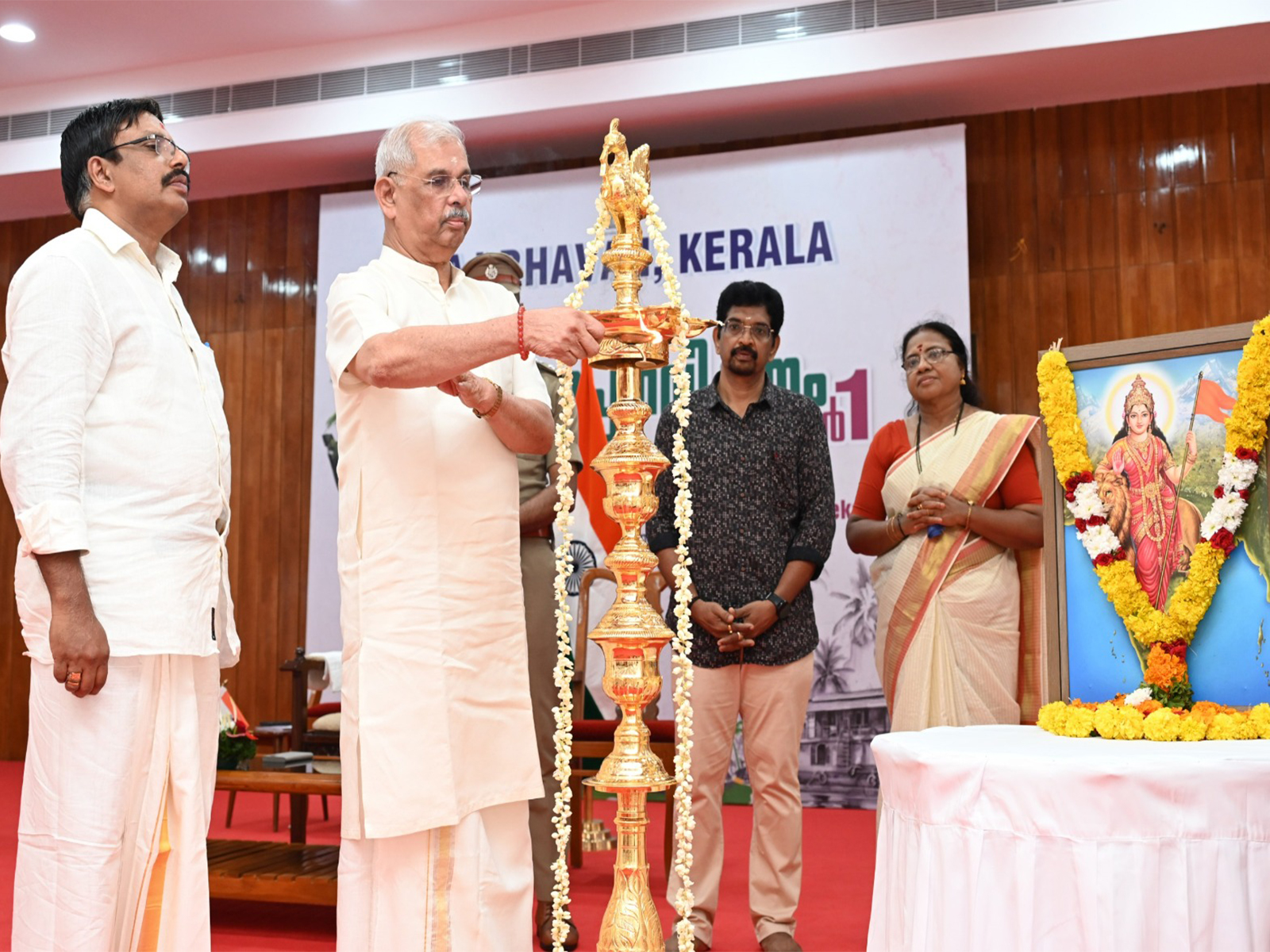
Kerala Governor Rajendra Vishwanath Arlekar has proposed a linguistic approach to ease Hindi resistance in parts of India, particularly the south. Speaking at a linguistic event, he argued that contemporary Hindi often incorporates Urdu and Persian vocabulary, potentially creating accessibility issues.
Arlekar suggested employing a Sanskrit-based vocabulary—in a form he termed as 'Sanskrit-prachur Hindi'—to make the language more inclusive and comprehensible across different regions. This approach, he believes, would reduce resistance by removing the vocabulary barriers rather than imposing linguistic uniformity.
Highlighting India's linguistic diversity as a strength, Arlekar underscored the cultural and historical ties of Indian languages through their Sanskrit roots. He encouraged scholars to find linguistic connections and promote understanding, emphasizing that shared language elements could bridge regional divides, furthering national unity.


 Google News