

Bhojshala-Kamal Maula: Historical Debate Intensifies Over ASI Report
A controversial ASI report claims the Bhojshala-Kamal Maula complex was originally a Parmar-era temple, prompting varied reactions. Hindu groups applaud it, while the Muslim side plans to challenge the alleged procedural flaws. The report suggests a historical site with significant architectural and archaeological importance, fueled by scientific investigations and remains.
- Country:
- India
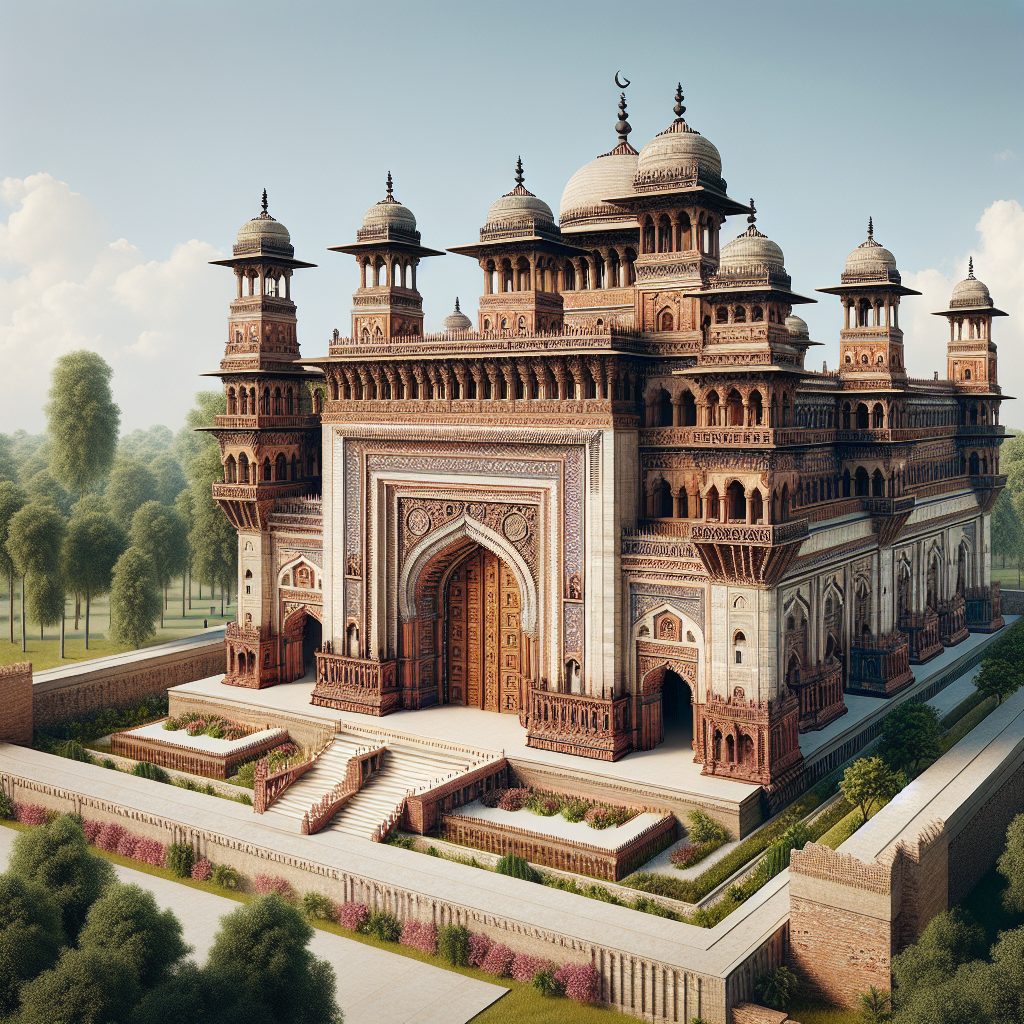
The Archaeological Survey of India (ASI) has ignited a heated historical debate with its latest report, which suggests that the Bhojshala-Kamal Maula complex was originally a Parmar-era temple constructed from ancient temple parts. This claim has been met with starkly divided reactions from religious groups, eliciting both approval and dissent.
Hindu groups have welcomed the ASI's findings, viewing them as validation of their belief in the site's origins as a temple dedicated to Vagdevi (Saraswati). Ashish Goyal, from the Hindu Front for Justice, emphasized that the report supports their plea regarding the religious nature of the complex.
Conversely, Muslim representatives, including Abdul Samad from the Maulana Kamaluddin Welfare Society, have expressed intent to contest the report, citing procedural flaws and ignored objections. The Madhya Pradesh High Court has asked all parties to present their views on the ASI's findings, which highlight the complex's multifaceted historical layers.


 Google News