

Spanish-Senegalese trawlers accused of plundering valuable Liberian shrimps
A fisheries watchdog group has accused a Senegalese-Spanish company of plundering valuable Liberian shrimps that retail for around $80 per kilogram, using a loophole in an experimental licence intended for research purposes. Brussels-based Coalition for Fair Fisheries Arrangements (CFFA) said three bottom trawlers belonging to SOPERKA S.A., a subsidiary of the Spanish Grupo Pereira, were taking advantage of the license to pay fewer taxes and that Liberia was potentially losing millions of dollars in profits.
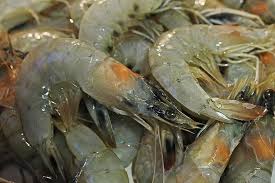
A fisheries watchdog group has accused a Senegalese-Spanish company of plundering valuable Liberian shrimps that retail for around $80 per kilogram, using a loophole in an experimental licence intended for research purposes.
Brussels-based Coalition for Fair Fisheries Arrangements (CFFA) said three bottom trawlers belonging to SOPERKA S.A., a subsidiary of the Spanish Grupo Pereira, were taking advantage of the license to pay fewer taxes and that Liberia was potentially losing millions of dollars in profits. Grupo Pereira did not respond to multiple requests for comment, and SOPERKA representatives reached by phone said no one was available for an interview.
SOPERKA acquired its authorisation in May under a deal between Senegal and Liberia which allows a fixed number of Senegalese vessels to operate in Liberian waters. The bilateral agreement was opposed by local fishing associations over concerns of overfishing. Artisanal fishing provides a livelihood for some 33,000 people in Liberia.
Once among the richest in the world, West Africa's fish stocks have been plundered Ocean Shock: Fishmeal factories plunder Africa in recent years by industrial trawlers combing the oceans to feed European and Asian markets. "Senegal allowed their waters to be depleted. We're worried the same will happen to us," said John Adams, secretary general of a fishermen's association in the Liberian town of Robertsport.
The foreign vessels are not complying with the requirements for research fishing, which include having two Liberian observers on board and undertaking an environmental impact assessment, the CFFA said. The company is also exempted from a 10% export tax that would normally apply, it said.
Austin Saye Wehye, director of research and statistics at Liberia's National Fisheries and Aquaculture Authority, said the vessels were operating under a temporary research authorization to inform the development of a shrimp fishery. He did not directly address the charges in the CFFA report but said Liberia wanted to create its own national fishing company which would do the fishing and not foreign vessels.
ALSO READ
-
Africa–Arab Labour Talks Put Fair Recruitment, Skills and Worker Rights Centre Stage
-
Five Nations Build Stronger Early Warnings With WMO Support as 2027 Deadline Nears
-
€40m Boost Opens New Doors for Cultural and Creative Businesses in Belgium
-
Africa’s Informal Workers Power Trade but Have Little Say in Rules Shaping Lives
-
From Cancer Care to Nuclear Careers, IAEA Conference Puts Global Progress in Focus


 Google News