

UN expert urges Governments to make 'peace with our rivers'
“Wetlands, rivers, and lakes are the backbone of life on islands and continents,” the Special Rapporteur said.
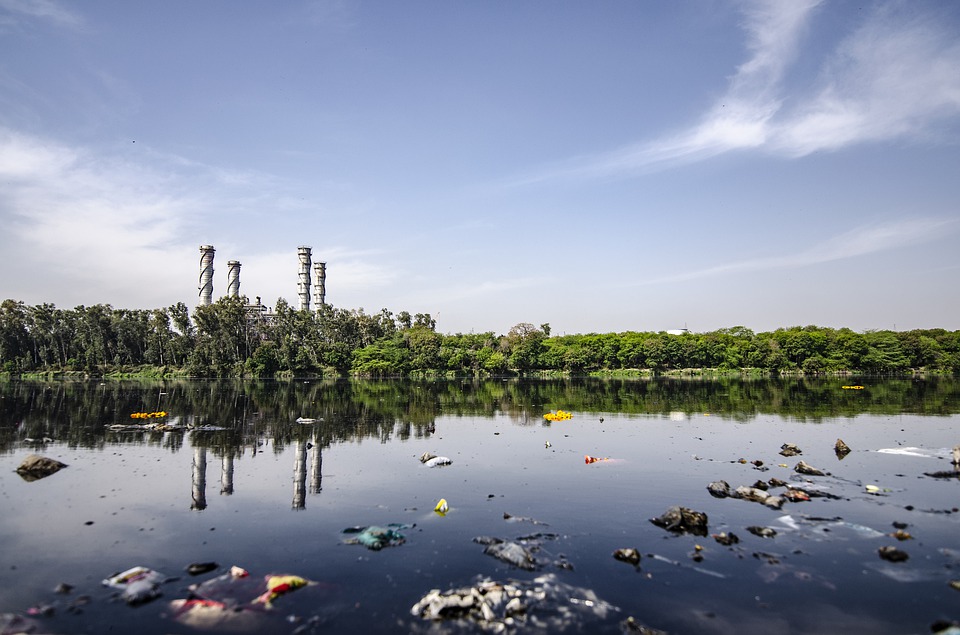
A UN expert today urged Governments and all actors, including the private sector, to make "peace with our rivers" to ensure access to safe drinking water and sanitation for two billion people worldwide.
In his report to the 54th Session of the UN Human Rights Council, Pedro Arrojo-Agudo, the UN Special Rapporteur on the human rights to safe drinking water and sanitation noted that the contamination of aquatic ecosystems with heavy metals and other toxics from legal and illegal mining and other production activities continues to increase on all continents. People living in poverty, near polluted freshwater sources are most vulnerable, he said.
"Wetlands, rivers, and lakes are the backbone of life on islands and continents," the Special Rapporteur said. "For centuries, underground aquifers have been the natural water supply network for human settlements – the water lungs of nature," he said.
"I am deeply concerned that over-exploitation, land grabbing, and toxic contamination of aquatic ecosystems threatens the sustainability of freshwater resources and the human rights of billions of people," Arrojo-Agudo said.
The expert urged the international community to introduce a specific crime to punish the systematic toxic pollution of aquatic ecosystems that poisons hundreds of millions of people and hold perpetrators accountable.
Arrojo-Agudo said the root cause of the crisis lies in the unsustainability of the current development model, which is based on the paradigm of domination over nature. He called for a new model of environmental regeneration based on sustainability and a human rights-based approach to water governance.
"Biological, organic and nutrient pollution kills 1.8 million people a year from diarrhoea alone," he said.
"The recognition of the human right to a healthy and sustainable environment, the promotion of integrated ecosystem approaches and the acceptance of the rights of nature pave the way for a more sustainable future," the expert said.
"Restoring and conserving aquatic ecosystems is critical to fulfilling the human right to water and sanitation for all," he said.


 Google News