

Famine Declared in Sudan’s North Darfur Amid Conflict and Humanitarian Crisis
The declaration of famine signifies that people, including children, are already succumbing to hunger and related conditions.
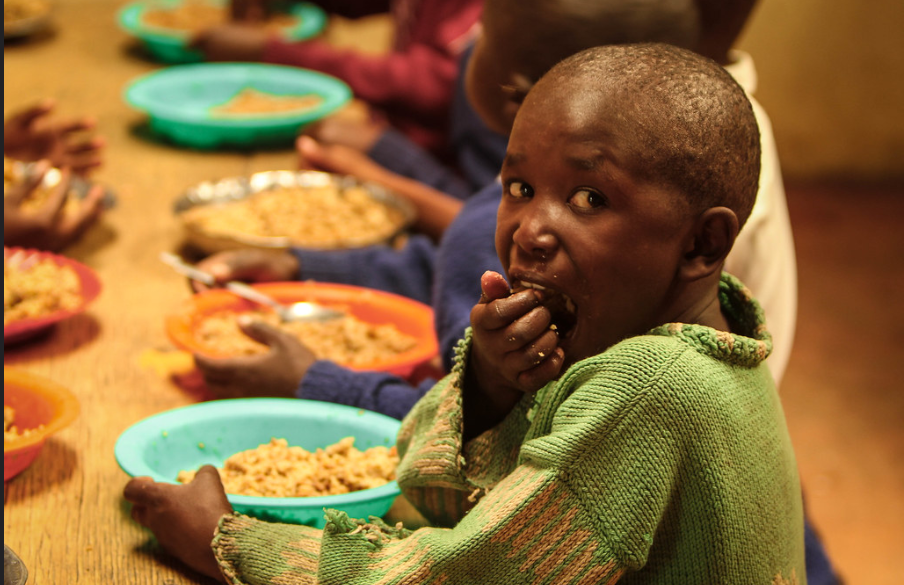
After over 15 months of intense conflict in Sudan, the Famine Review Committee (FRC) has declared famine in Zamzam camp in North Darfur, marking the first such determination in over seven years and only the third since the FRC's monitoring system was established 20 years ago. This dire assessment underscores the severe impact of ongoing violence, displacement, and severe constraints on humanitarian access.
The FRC's declaration follows an alarming June analysis by the Integrated Food Security Phase Classification (IPC), revealing that 755,000 people are facing catastrophic food and nutrition conditions in Sudan. The famine in Zamzam camp, sheltering hundreds of thousands of displaced individuals, highlights the critical and deteriorating situation across the country.
UNICEF and the UN World Food Programme (WFP) have repeatedly warned about the escalating risk to Sudanese communities, particularly children, amidst the conflict in Darfur, Khartoum, Kordofan, and Al Jazirah. With an estimated 730,000 children expected to suffer from severe acute malnutrition (SAM) this year, the humanitarian crisis is reaching unprecedented levels.
The declaration of famine signifies that people, including children, are already succumbing to hunger and related conditions. This crisis, exacerbated by the conflict, extends throughout Sudan, affecting even Khartoum and Jazirah State, once considered the nation's breadbasket.
One of the primary drivers of the famine in Zamzam is the severely restricted access for humanitarian aid. While UNICEF has managed to deliver life-saving Ready-to-Use Therapeutic Food (RUTF) to approximately 4,000 severely malnourished children in El Fasher, including aid for Zamzam, the persistent lack of safe and reliable access means the needs remain vast and aid delivery unpredictable.
WFP Executive Director Cindy McCain has called for a massive expansion of humanitarian access to halt the famine and prevent it from spreading further. She urged warring parties to lift restrictions and open new supply routes, emphasizing the need for international intervention to secure a ceasefire and end Sudan's descent into famine.
UNICEF Executive Director Catherine Russell echoed these concerns, describing the famine as a man-made disaster and stressing the urgent need for unimpeded humanitarian access. She called on all parties to allow aid delivery across conflict lines and borders, and for the international community to provide increased financial support and diplomatic efforts to secure a ceasefire.
Both UNICEF and WFP are mobilizing a large-scale humanitarian response, partnering with local and international organizations to support affected communities inside Sudan and in neighboring countries where more than 2 million Sudanese have sought refuge. The agencies continue to press for safe access and expanded humanitarian aid to address the urgent needs of Sudan's vulnerable populations.


 Google News