

JSPL Slashes Australian Coking Coal Dependence by Over 50%
Jindal Steel and Power Ltd (JSPL) has diversified its coking coal sourcing, significantly reducing reliance on Australian imports by over 50%. This move aims to lower manufacturing costs and enhance the supply chain's efficiency. The initiative aligns with government efforts to reduce dependency on a select group of countries for coking coal.
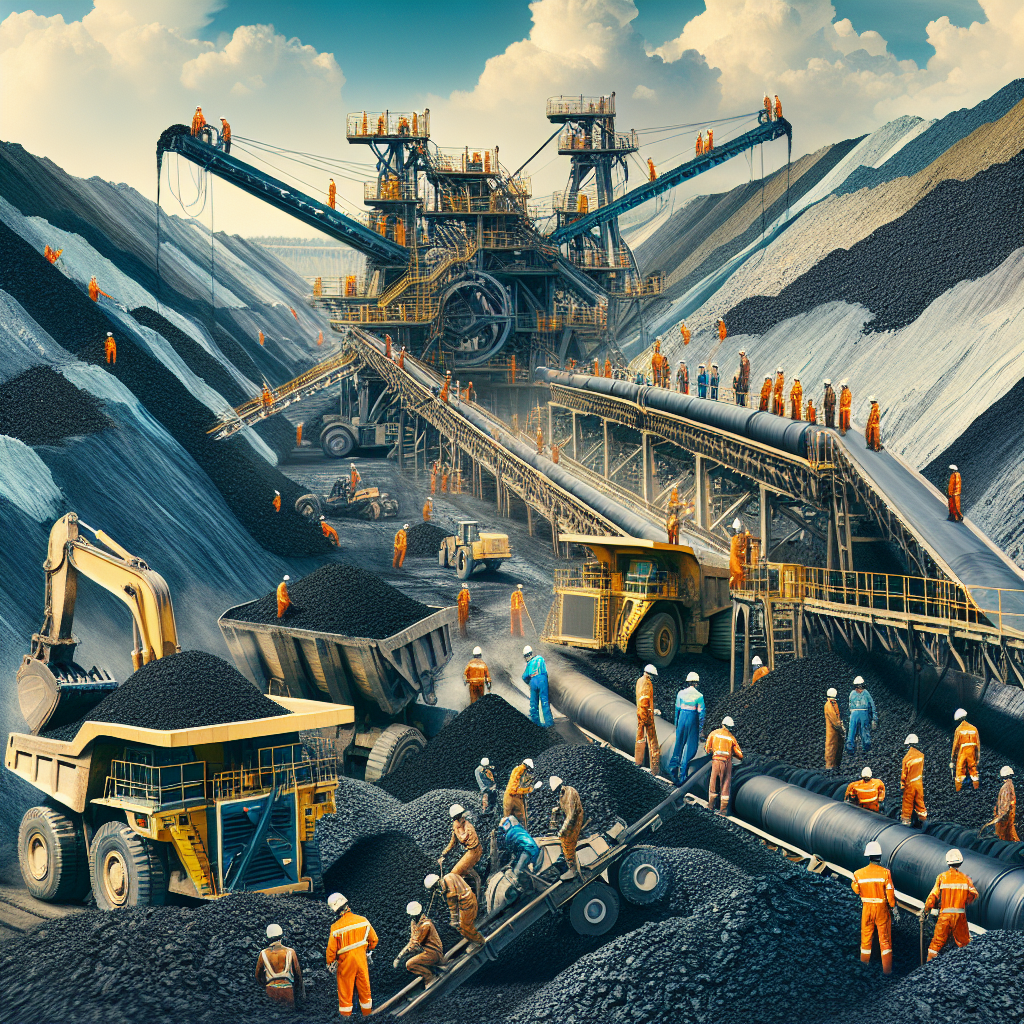
Jindal Steel and Power Ltd (JSPL) announced on Thursday that the company has successfully diversified its coking coal sourcing, cutting down its dependence on Australian imports by more than 50%.
According to a regulatory filing, this strategic move is expected to reduce the overall cost of steel manufacturing.
The initiative gains importance as it aligns with government efforts to minimize India's reliance on specific countries for coking coal. Historically, Indian steel manufacturers have mainly imported coking coal from Australia due to the lack of domestic availability. New sources are anticipated to enhance timely availability and decrease logistic expenses.
''By reducing reliance on Australian coking coal imports and increasing intake from other regions, we've strengthened our supply chain and improved cost efficiency,'' stated Pankaj Malhan, Executive Director in charge of Jindal Steel Angul.
The company successfully integrated these new sources into its coke oven plants and is planning further diversification in the coming months.
JSPL operates two steel mills in Odisha and Chhattisgarh, with a combined capacity of 9.6 million tonnes (MT). Industry estimates indicate that approximately 1.5-2 tonnes of iron ore and 0.700 tonnes of coking coal are required to produce 1 tonne of crude steel.


 Google News